Travel Myanmar Bagan for temple dawns beyond the balloons
Travel in and around Bagan is less about ticking sights and more about learning how people move, pray, and pause on this wide plain of temples. When you plan to travel through Myanmar and spend several days here in a luxury style, the real privilege is entering an almost empty shrine at first light while a Burmese caretaker quietly unlocks inner chambers. On a first day, many visitors rush to reserve a sunrise flight over the Bagan temples, yet the most enduring memories often come from a single candlelit corridor rather than a crowded basket in the sky.
Bagan sits in the Mandalay Region of Myanmar, with more than 2,000 temples and pagodas spread across roughly 67 square kilometres of dry river plain.[1] That density of ancient monuments means your travel choices — which hotel you book, which guide you hire, which bike you ride — will shape how you experience both sunrise and sunset light and the quieter heat of the day. When you approach Bagan with a focus on etiquette and timing, you will find that even the most famous temples, such as Ananda or Dhammayangyi, can feel private for a few precious minutes.
Local tourism offices and the Myanmar Ministry of Hotels and Tourism confirm that October to March offers cooler, dry weather and that over 2,000 temples remain today within the core archaeological zone.[1][2] They also note that hot air ballooning is typically available from October to April, with flights concentrated in the peak season months.[2] Those simple facts matter when you plan how many days to stay and what a balloon ride will cost in your overall Myanmar itinerary. A thoughtful travel plan will help you decide whether to allocate more time to a sunrise temple visit, a day tour by e-bike, or a side trip from Yangon to Bagan and onwards to Inle Lake for lakeside calm after the dust of the plain.
Footwear, dress codes, and the etiquette that opens doors
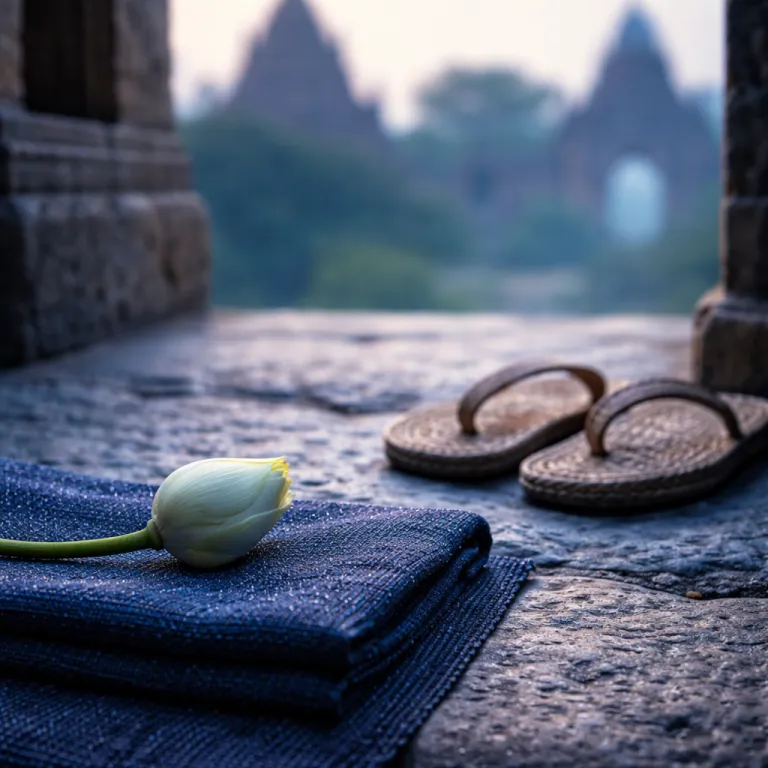
Every temple in Bagan follows a clear rule that many people still underestimate: shoes and socks come off before you step onto any raised platform, not just inside the inner hall. During the cooler season this feels easy, but on hotter days the stone around the temples and pagodas can burn, so pack thin cotton socks you do not mind washing by hand each day. Luxury hotels often provide small amenity bags with wipes and spare socks, and the best properties brief guests on these customs before any day tour so that no one hesitates at the first staircase.
Dress codes are simple yet non-negotiable: shoulders and knees covered for both men and women at every temple and pagoda. Lightweight linen trousers and elbow-length shirts work well in the Myanmar heat, and they signal respect when you visit monasteries where monks may invite you to sit in a row during morning chanting. If you arrive from a coastal stay such as a refined resort on Chaung Thar Beach, where swimwear is normal by the pool, read a detailed Myanmar trip package ideas guide before shifting into temple mode so that your wardrobe matches local expectations.
Money etiquette matters as much as clothing when you explore sacred spaces. A small donation of 1 to 3 USD equivalent in crisp kyat notes is appropriate at major temples in Bagan, while village shrines feel more comfortable with coins or smaller bills placed quietly in a box rather than handed directly to a monk. Ask your guide or hotel concierge how much a particular temple will expect during a private visit; they will know which ancient sites rely heavily on visitor support and which are already well funded by the state.
Choosing temples and timing for a non balloon dawn
For a first dawn in Bagan, consider skipping the hot air balloon crowds and ask your travel guide to arrange early access to Ananda, one of the most revered temples. The complex usually opens around sunrise (approximately 5:30 to 6:00 a.m. depending on season), and if you arrive just as the sky lightens, you will often share the inner corridors only with a few Burmese worshippers and a caretaker who moves in a slow, practiced row from shrine to shrine. This is where a visit to Bagan becomes intimate: you hear bare feet on stone, not camera shutters, and you can explore at your own pace before the day-tour buses arrive.
Dhammayangyi, the largest of the ancient temples, rewards a slightly later visit once the first heat rises from the plain. Its intricate brickwork glows in the angled light, and the long inner corridors offer shade that feels almost cool even on hotter days. A good guide will know which side entrances open first, how much time to allow between Ananda and Dhammayangyi by e-bike or regular bike, and which smaller pagodas nearby are usually empty so you can sit quietly after the main visit.
Some of the best Bagan mornings unfold not at a single famous temple but across a sequence of lesser-known shrines that your hotel or an expert guide can map for you. Ask specifically for a route that avoids the main hot air balloon landing zones, because the noise of vehicles collecting passengers can break the stillness of sunrise and sunset moments. For a deeper planning overview that links Bagan with Yangon routes and onward stays at Inle Lake or coastal retreats, consult an expert view that compares iconic destinations for luxury stays across Myanmar.
Luxury stays, transport choices, and what your Bagan days will cost
Where you sleep shapes how you experience Bagan, because distance to the main temples will determine whether you glide out at dawn or arrive in a rush. High-end hotels cluster around Old Bagan and New Bagan, with some properties offering direct views of pagodas from upper floors or garden pools. Expect nightly rates to range from roughly 120 to 400 USD for premium rooms, with suites and villas above that, depending on season, view, and how close you are to the core temple zone.
Transport is the second major cost line after your hotel, and it also defines how you experience the landscape during each day tour. E-bikes are the most popular choice for independent travellers who want to explore temples without a car, and a full-day rental usually will cost the equivalent of 8 to 15 USD depending on battery size and insurance. Traditional bike rentals are cheaper but less comfortable in the heat, while private cars with drivers arranged through your hotel or a licensed guide offer air-conditioned ease for longer days that include sunset stops and village visits.
Many luxury travellers pair Bagan with a stay at Inle Lake or a coastal interlude, using Yangon–Bagan flights as the main domestic axis. If you enjoy refined coastal comfort, you might spend a few nights at a polished beach resort at Chaung Thar, then loop back inland for temples and river views. When you plan how many days to visit Bagan, factor in at least two full days on the ground so that one day can focus on sunrise and sunset temple visits and another on slower village walks, boat trips on the Ayeyarwady, and perhaps a final balloon ride if your budget and nerves allow.
From Yangon to Bagan and beyond: routes, rituals, and respectful photography
The classic route for many people is Yangon to Bagan by air, then onward to Mandalay or Inle Lake, but luxury travellers often reverse the flow to avoid crowds. Starting in Bagan lets you adjust to the pace of temple life before facing the intensity of Shwedagon Pagoda in Yangon, where gold, incense, and city noise collide in a single vast terrace. When you begin your Myanmar journey here, you arrive at Shwedagon with a better sense of how Burmese worshippers move, where to stand, and how much time to allow for quiet observation rather than rushed photography.
Inside any temple or pagoda, photography etiquette is simple: no flash on murals or Buddha images, no tripods blocking narrow corridors, and no posing in yoga shapes or exaggerated gestures in front of shrines. If you want to photograph people, especially monks or nuns, ask permission with a small bow and a gesture to your camera, and accept a polite refusal without pressing. Many temples will have clear signs about restricted inner chambers where cameras are not allowed, and your guide or hotel concierge can brief you on these before each day tour so that you never feel unsure.
Some monasteries around Bagan welcome respectful visitors during morning chanting, especially solo travellers who arrive quietly and sit at the back in a neat row. Your guide or hotel can suggest specific monasteries where foreigners are accustomed yet still rare enough that your presence feels like a visit, not an intrusion. When you move through Myanmar with this level of attention to ritual and rhythm, the temples will feel less like monuments and more like living spaces that continue to shape daily life across the country.
Frequently asked questions
What is the best time of year to visit Bagan for temples ?
The most comfortable time to visit Bagan temples is from October to March, when mornings are cooler and the air is dry.[2] This season suits both sunrise and sunset walks among the pagodas and longer day tours by e-bike or bike. Hot air balloon operators also run more consistently during these months, which helps if you plan to combine ground-level temple visits with one aerial view.
How many days should I stay in Bagan Myanmar for a luxury trip ?
For a luxury-focused itinerary, plan at least two to three full days on the ground. One day can centre on major ancient temples such as Ananda and Dhammayangyi with a private guide, while another day can focus on smaller pagodas, village visits, and river views. A third day allows time for a balloon ride or a slower morning at your hotel pool before onward travel to Yangon or Inle Lake.
Do I need a guide to explore temples in Bagan, or can I go alone ?
You can explore temples independently by e-bike or bike, but a licensed guide adds context and access that many people value. Guides know which temples open earliest, which monasteries welcome visitors for chanting, and how much a donation will cost at different shrines. Many luxury hotels maintain a shortlist of trusted guides who understand both Burmese etiquette and international expectations for safety and comfort; ask at reception or by phone when you confirm your reservation.
How much will a hot air balloon ride over Bagan cost ?
A standard hot air balloon ride over the Bagan temples usually will cost several hundred USD per person, depending on operator, basket size, and season. Premium sunrise flights with fewer passengers and hotel transfers sit at the higher end of that range. If your budget is tight, consider skipping the balloon ride and investing instead in a top-tier hotel and a private day tour, which often deliver a richer sense of place.
What should I wear and bring for a temple focused day tour in Bagan ?
Wear lightweight, modest clothing that covers shoulders and knees, and choose sandals that are easy to slip on and off at each temple. Bring a small bag with thin socks for hot stone floors, a refillable water bottle, sunscreen, and a scarf that can double as extra coverage in more conservative monasteries. Many hotels in Bagan can prepare a simple packed breakfast for early sunrise visits, which helps you make the most of the cool morning hours.
Trusted references
Rough Guides; UNESCO World Heritage Centre;[1] Myanmar Ministry of Hotels and Tourism.[2]