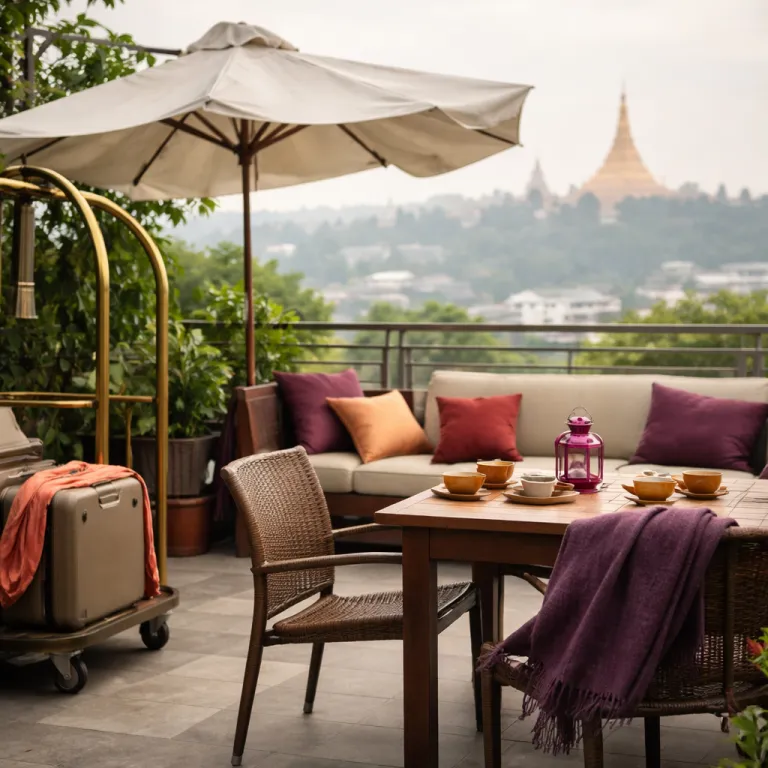
Where to Stay in Yangon Region, Myanmar: Best Areas & Hotels
Yangon Region at a glance: is it the right base for you?
Golden spires above a low-rise skyline, traffic circling a luminous pagoda, and a lake catching the last light of the day; Yangon Region is less a classic resort destination than a dense, characterful city break. For travelers choosing a hotel in the Yangon Region of Myanmar, the first decision is not the room, but the neighborhood. Your location in the city will shape how you experience Shwedagon Pagoda at dusk, how easily you reach Kandawgyi Lake or Inya Lake, and how quickly you can slip back to your hotel after a late tea shop session.
Yangon suits guests who enjoy layered cities rather than manicured beach enclaves. The city rewards adults who like to walk, to look up at old façades, to detour into a market before heading back to a calm, well-run hotel. Families can be comfortable here too, especially around the lakes, but the rhythm of downtown Yangon is urban first, spiritual second, and only then leisurely. If you want a base to explore wider Myanmar, the Yangon Region works well as a first and last stop, with car hire and domestic flights radiating out to other cities in Myanmar.
For a short stay of two or three nights, a central Yangon hotel near Sule Pagoda or around Bogyoke Aung San Market keeps you close to the city’s main sights. For longer stays, many travelers split nights between a downtown address and a quieter lakeside property, trading street life for greenery and water views. Either way, the region offers a spectrum of hotels Yangon wide, from historic grande dames to contemporary towers, all framed by the city’s pagodas and lakes.
- Quick pick for first-timers: stay near Sule Pagoda for easy access to markets and heritage streets.
- Quick pick for temple lovers: choose a hotel close to Shwedagon Pagoda or Kandawgyi Lake.
- Quick pick for longer stays: base yourself around Inya Lake or northern Yangon for space and quieter nights.
Downtown Yangon: for heritage streets and pagoda views
Trishaws, colonial-era arcades, and the constant presence of a golden stupa at the end of the avenue; downtown Yangon is the most atmospheric place to stay if you want to feel the city under your feet. The grid of streets between Sule Pagoda and the riverfront concentrates many of the Yangon Region’s most characterful buildings, with hotels located in and around this compact core. From here, you can walk to the City Hall, the former Secretariat, and the busy pavements of Mahabandoola Road without needing a car hire or taxi for every move.
Staying near Sule Pagoda places you at what is effectively kilometre zero of the city. The pagoda itself acts as a compass point, visible from many hotel windows, and the area around it is practical for guests arriving from the airport or from other cities in Myanmar. You are also within a short stroll of Bogyoke Aung San Market on Bogyoke Aung San Road, where long covered corridors shelter gem shops, longyi stalls, and lacquerware vendors. This is where many visitors from the United States, the United Kingdom, and across Asia first feel the texture of Yangon’s everyday commerce.
Downtown hotels suit travelers who value proximity over quiet. Expect more street noise, more visual drama, and quicker access to landmarks such as Shwedagon Pagoda by short taxi ride rather than by long commute. If your priority is to photograph the city’s patina at sunrise, to watch office workers queue at tea stands, and to enjoy Yangon as a lived-in city rather than a backdrop, this is the right district. Those seeking resort-style seclusion, however, may prefer the lakes.
- Hotel G Yangon (approx. 4-star; mid-range): modern rooms, good for couples and solo adults; around 15–20 minutes by taxi to Shwedagon Pagoda, 20–25 minutes to Kandawgyi Lake, and 30–35 minutes to Inya Lake in typical traffic.
- The Strand Yangon (approx. 5-star; luxury): heritage riverfront icon with high service levels; about 15–20 minutes by taxi to Shwedagon, 20–25 minutes to Kandawgyi, and 35–40 minutes to Inya.
- Pan Pacific Yangon (approx. 5-star; upper-upscale): contemporary tower with pool and city views; roughly 10–15 minutes by taxi to Shwedagon, 15–20 minutes to Kandawgyi, and 30–35 minutes to Inya.
- East Hotel (approx. 3-star; budget-friendly): compact rooms near Bogyoke Aung San Market; around 15 minutes by taxi to Shwedagon, 20 minutes to Kandawgyi, and 30–35 minutes to Inya.
Most downtown properties sit within walking distance of Sule Pagoda and Bogyoke Aung San Market (often 5–15 minutes on foot), but you should allow extra time for peak-hour congestion if you plan early-morning or late-afternoon taxi rides to the lakes.
Shwedagon and Kandawgyi Lake area: spiritual axis with garden calm
Marble stairways, incense smoke, and the sudden gleam of the Shwedagon Pagoda’s golden hti (umbrella) above the treeline; the area around Shwedagon and Kandawgyi Lake offers a different rhythm from downtown. Hotels located in this part of the Yangon Region balance access to the city’s most revered pagoda with a more residential, leafy atmosphere. You are still in Yangon, but the soundscape shifts from car horns to birds and temple bells.
Kandawgyi Lake, sometimes called Yangon Kandawgyi, curves just east of Shwedagon. A wooden boardwalk traces part of its edge, with views back to the pagoda reflected in the water at sunset. Staying near Kandawgyi Lake places you within a short drive of both downtown Yangon and the embassy quarter, making it a strategic middle ground for guests who want to enjoy Yangon’s cultural core without sleeping in the thick of the traffic. Many hotels here have garden courtyards, larger pools, and more generous outdoor space than their downtown counterparts.
This area works particularly well for adults traveling with older parents or for travelers who plan to visit Shwedagon Pagoda more than once. Early morning and late evening visits feel effortless when your Yangon hotel is only a few minutes away. The trade-off is that you will likely rely more on taxis or car hire to reach markets such as Bogyoke Aung San or the riverfront. If you value contemplative walks around Kandawgyi Lake and repeated, unhurried time at Shwedagon over spontaneous café-hopping, this is your best base.
- Esperado Lake View Hotel (approx. 4-star; mid-range): overlooks Kandawgyi Lake; about 5–10 minutes by taxi to Shwedagon Pagoda, 0–5 minutes to Kandawgyi Lake on foot depending on entrance, and 25–30 minutes to Inya Lake.
- Rose Garden Hotel (approx. 4-star; upper mid-range): large pool and gardens; roughly 10 minutes by taxi to Shwedagon, 5–10 minutes to Kandawgyi, and 25–30 minutes to Inya.
- Chatrium Hotel Royal Lake Yangon (approx. 5-star; luxury): resort-style grounds near the water; around 10–15 minutes by taxi to Shwedagon, 5–10 minutes to Kandawgyi, and 25–30 minutes to Inya.
- Merchant Art Hotel (approx. 3–4-star; design-focused): close to one of Shwedagon’s entrances; often 5–10 minutes on foot to the pagoda, 10–15 minutes by taxi to Kandawgyi, and 25–30 minutes to Inya.
Walking times vary with the specific street and gate you use, but many hotels here sit within a short stroll or quick taxi ride of the main stairways leading up to Shwedagon Pagoda, which makes dawn and dusk visits easier to repeat.
Inya Lake and northern Yangon: space, water, and longer stays
Wide boulevards, embassy compounds, and the long, calm expanse of Inya Lake define northern Yangon. Hotels located along the lakefront or in the adjacent residential streets offer a sense of space that is rare closer to Sule Pagoda. Here, the Yangon Region feels almost suburban, with more trees, larger plots, and a slower pace that suits longer stays or work trips where you need a reliable base more than constant sightseeing.
Inya Lake, sometimes casually referred to as Lake Yangon by visitors, is a social hub for local couples and families in the late afternoon. The promenade on Pyay Road’s side of the lake fills with walkers, snack vendors, and teenagers taking photos as the light softens. Staying near Inya Lake gives guests easy access to this everyday scene, as well as to major roads leading to the airport and to other cities Yangon connects with by road. For travelers arriving from the United Nations offices or international NGOs, this area is often familiar territory.
Lakeside hotels here tend to have larger grounds, more extensive leisure facilities, and a resort-like feel, even though you remain within the Yangon Region’s urban boundary. They suit adults who prioritize gym and pool time, or who are combining business meetings with a need for quiet evenings. The compromise is distance; you will rely on taxis to enjoy Yangon’s downtown food scene or to reach Bogyoke Aung San Market. If you are happy to trade immediate access to Sule Pagoda for morning runs along the lake and calmer nights, this district is ideal.
- Inya Lake Hotel (approx. 4-star; mid-range): classic lakeside property with extensive grounds; about 25–35 minutes by taxi to Shwedagon Pagoda, 25–35 minutes to Kandawgyi Lake, and 0–5 minutes to Inya Lake on foot.
- Melia Yangon (approx. 5-star; upscale): modern high-rise opposite Inya Lake; roughly 25–30 minutes by taxi to Shwedagon, 25–30 minutes to Kandawgyi, and 5–10 minutes on foot to the lakefront.
- Novotel Yangon Max (approx. 4–5-star; business-friendly): strong facilities for work trips; around 20–30 minutes by taxi to Shwedagon, 25–30 minutes to Kandawgyi, and 10–15 minutes to Inya Lake depending on route.
- Hotel Parami (approx. 4-star; boutique-style): convenient for northern districts; typically 25–30 minutes by taxi to Shwedagon, 25–30 minutes to Kandawgyi, and 10–15 minutes to Inya Lake.
Most northern Yangon hotels sit within a 20–40 minute drive of the airport in light to moderate traffic, which makes them practical if you have early flights or frequent day trips to other cities in Myanmar.
Choosing the right Yangon hotel: what to check before you book
Street name, not just neighborhood, matters in Yangon. Before confirming any hotel in the Yangon Region of Myanmar, check the exact address on a map and note how far it is from the places you care about most, whether that is Shwedagon Pagoda, Kandawgyi Lake, Inya Lake, or downtown Yangon around Sule. A property described as “near Shwedagon” might still require a taxi for every visit, while a hotel a few blocks from Bogyoke Aung San Market can feel central even if it is not on the main tourist lists.
Room configuration deserves attention, especially for families or mixed groups of adults. Some Yangon hotels are optimized for business travelers, with many compact rooms designed for single guests, while others offer larger suites more suited to couples staying several nights. If you plan to enjoy Yangon’s early mornings and late evenings, consider whether your room has effective blackout curtains and quiet orientation away from main roads. A view of a pagoda or lake is a bonus, but not at the expense of rest.
Access is another key factor. Traffic in the city can be dense at peak hours, so think about how often you will need to cross town. Guests planning multiple day trips or onward travel to other regions of Myanmar may prefer a location with straightforward road access for car hire and airport transfers. Those who intend to walk most of the time should prioritize pavements, shade, and proximity to key sights over grand lobbies. A smaller, well-located Yangon hotel can be more practical than a larger property in an isolated pocket.
- Plan around peak traffic (roughly 8:00–9:30 and 16:30–18:30) if you have flights or pagoda visits.
- Carry some cash in Myanmar kyat for taxis and small food stalls; many places remain cash-first.
- Check current visa rules and basic safety advice before you travel, as regulations can change.
Who each area suits best: matching profiles to neighborhoods
Short-stay urban explorers gravitate naturally to downtown Yangon. If your ideal day involves stepping out of your hotel into immediate street life, photographing Sule Pagoda in the first light, and ending the evening at a teashop near Bogyoke Aung San Market, the central grid is your territory. You will accept a little noise and visual clutter in exchange for being able to enjoy Yangon on foot, with pagodas, markets, and heritage buildings all within easy reach.
Culture-focused travelers, especially those drawn to the spiritual dimension of Myanmar, often prefer the Shwedagon and Kandawgyi Lake area. Here, the city’s most important pagoda becomes a daily reference point rather than a single excursion. You can visit Shwedagon Pagoda at different times of day, watch the change in light on its golden surface, and still retreat to a hotel set among trees. This suits guests who want a balance between contemplation and access to the city’s main arteries.
Longer-stay visitors, including many from the United States, the United Kingdom, and regional business hubs, tend to choose Inya Lake and northern Yangon. The combination of space, relative quiet, and easier access to the airport makes this part of the Yangon Region practical for work trips, relocations, or extended holidays. If you expect to move frequently between meetings, international schools, or offices linked to organizations such as the United Nations, the northern districts can be more efficient than the historic core.
Making the most of your stay: how to enjoy Yangon from your hotel base
Early starts pay off in Yangon. From any well-located hotel, plan at least one dawn or dusk visit to Shwedagon Pagoda, when the air is cooler and the city’s devotional life is most visible. If you are staying near Kandawgyi Lake, walk the boardwalk before breakfast and watch the pagoda’s reflection shift as the sun rises. Guests based downtown can pair a morning pagoda visit with a slow wander back through San Pya-style wet markets and the side streets leading toward Bogyoke Aung San Market.
Lakeside stays invite a different routine. Around Inya Lake, evenings are for strolling, people-watching, and sampling street snacks along Kaba Aye Pagoda Road or Pyay Road. A hotel in this area becomes a base for exploring not only the water’s edge but also the quieter residential neighborhoods that reveal another side of the Yangon Region. You can enjoy Yangon’s urban energy by day, then return to the calm of the lake at night.
Wherever you stay, think of your Yangon hotel as part of the itinerary, not just a place to sleep. A downtown property makes it easy to dip into the city’s tea shop culture between visits to pagodas and galleries. A Shwedagon-adjacent address encourages repeated, unhurried temple visits. A lakeside hotel near Inya or Kandawgyi Lake supports a slower, more reflective pace. Matching your base to your travel style is the most reliable way to ensure that your time in the Yangon Region of Myanmar feels coherent, considered, and quietly memorable.
FAQ: hotel Yangon Region Myanmar
Is Yangon a good first stop for a trip to Myanmar?
Yangon is an excellent first stop because it combines the country’s spiritual landmarks, such as Shwedagon Pagoda, with the practical advantages of a major city. You can acclimatize, explore markets like Bogyoke Aung San, and organize onward travel to other cities in Myanmar while staying in comfortable hotels. The Yangon Region offers enough variety in neighborhoods and properties to suit both short city breaks and longer itineraries.
Which area of Yangon is best for first-time visitors?
For first-time visitors, downtown Yangon around Sule Pagoda and Bogyoke Aung San Market is usually the most convenient base. This area places you close to many key sights, with easy taxi access to Shwedagon Pagoda and Kandawgyi Lake. It suits travelers who want to walk, explore heritage streets, and feel immersed in the city’s daily life from the moment they step out of their hotel.
Where should I stay if I want to be near Shwedagon Pagoda?
If repeated visits to Shwedagon Pagoda are a priority, choose a hotel in the neighborhoods immediately surrounding the pagoda or near Kandawgyi Lake. From there, you can reach the temple quickly by short taxi rides or, in some cases, by a brief walk, making dawn and dusk visits easy. This area also offers a calmer, greener environment than the dense downtown grid.
Is it better to stay downtown or by Inya Lake?
Downtown is better if you want to be in the middle of Yangon’s historic core, close to Sule Pagoda, markets, and many everyday food options. Inya Lake is preferable if you value space, quieter evenings, and easier access to the airport and northern districts. Many travelers combine both, spending a couple of nights downtown for sightseeing and then moving to Inya Lake for a more relaxed end to their stay.
How many days should I plan in Yangon Region?
Plan at least two full days in the Yangon Region to see Shwedagon Pagoda, explore downtown streets, and visit either Kandawgyi Lake or Inya Lake without rushing. Three to four days allow a more balanced experience, with time for markets, pagodas, lakeside walks, and unstructured wandering. Longer stays work well if you use Yangon as a hub for trips to other regions of Myanmar.