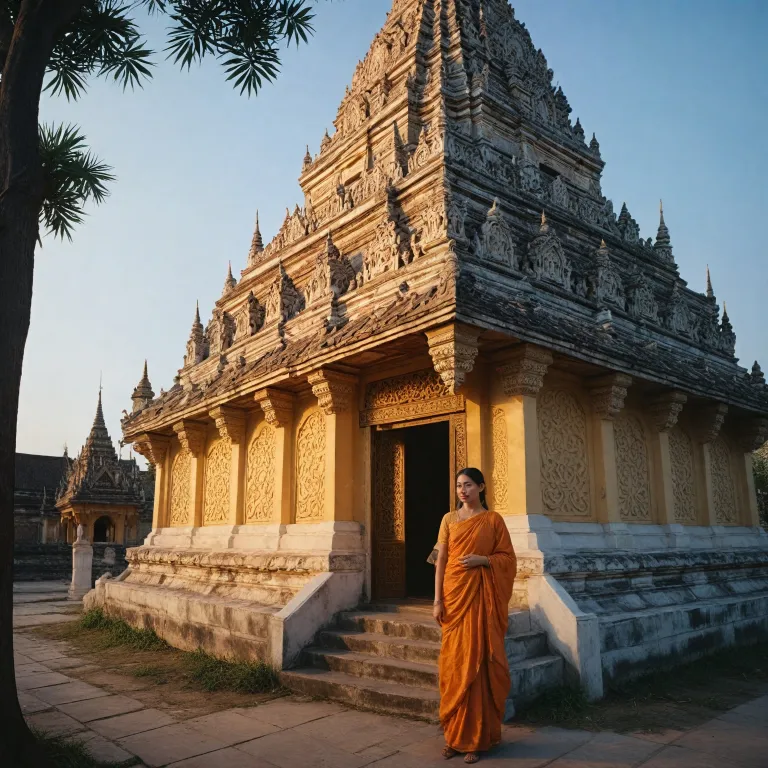
The geographical heart of Mandalay: understanding its location in Myanmar
Mandalay is situated in the central region of Myanmar, also known as Burma, and serves as a vital centre for culture and commerce. The city lies on the eastern bank of the Irrawaddy River, approximately 716 kilometres north of Yangon, the country’s largest city. Mandalay’s coordinates are 21.9162° N and 96.1353° E, placing it at the crossroads of historical trade routes and modern travel corridors in Southeast Asia.
As the second largest city in Myanmar, Mandalay stands as a gateway to Upper Burma and the northern regions bordering China. Its proximity to the Irrawaddy River has historically enabled the city to flourish as a royal capital and a hub for Buddhist learning. The city’s elevation is 22 meters above sea level, which contributes to its unique landscape, marked by Mandalay Hill and the surrounding plains.
Travelers seeking luxury and premium hotel experiences in Mandalay benefit from the city’s central location. The city is easily accessible by air via Mandalay International Airport, by train, and by road from Yangon and other major cities. This accessibility, combined with the city’s rich heritage, makes Mandalay a preferred destination for discerning visitors looking to immerse themselves in the heart of Myanmar Burma.
Royal heritage and cultural landmarks: Mandalay’s enduring legacy
Mandalay’s identity is deeply intertwined with its royal past, as it was established by King Mindon in the nineteenth century to serve as the new royal capital. The Mandalay Palace, a striking symbol of Burmese architecture, sits at the centre of the city and is surrounded by a vast moat and fortified walls. This palace, along with Mandalay Hill and the Kuthodaw Pagoda, forms the core of the city’s cultural and spiritual landscape.
The city is renowned for its Buddhist heritage, with numerous monasteries and pagodas dotting the landscape. The Shwenandaw Monastery, constructed from intricately carved teak wood, stands as a testament to traditional craftsmanship. The Kuthodaw Pagoda, often referred to as the world’s largest book, houses 729 marble slabs inscribed with Buddhist scriptures, making it a significant pilgrimage site for both Burmese and international visitors.
Luxury and premium hotels in Mandalay often draw inspiration from the city’s royal and religious legacy, offering guests refined experiences that reflect the grandeur of the former royal capital. For those interested in exploring Mandalay’s rich history, the city centre provides convenient access to landmarks such as Mandalay Hill, the Mandalay Palace, and the bustling Zegyo Market. For more insights into the city’s cultural offerings, explore our guide to luxury travel in Myanmar.
The modern cityscape: Mandalay’s evolution and urban development
Over the years, Mandalay has transformed from a royal capital into a vibrant urban centre. The Mandalay City Development Committee oversees urban planning, ensuring that the city’s growth aligns with its historical and cultural significance. The grid-based layout of Mandalay, a legacy of its royal founders, facilitates efficient navigation and connectivity within the city.
Modern Mandalay is characterized by a blend of Burmese, Chinese, and British influences, reflecting its diverse population and historical interactions. The city’s proximity to China has fostered economic ties, while its colonial past is evident in some of its architecture and urban design. Mandalay University and other educational institutions contribute to the city’s reputation as a centre of learning and innovation in Myanmar Burma.
For travelers seeking premium accommodation, Mandalay offers a range of luxury hotels that cater to international standards while embracing local traditions. The city’s strategic location along the Irrawaddy River and its role as the largest city in Upper Burma make it an ideal base for exploring the region. For a detailed map of Mandalay and recommendations on where to stay, visit our Mandalay city accommodation guide.
Experiencing Mandalay: top attractions and activities for luxury travelers
Mandalay’s allure lies in its wealth of attractions, from the panoramic views atop Mandalay Hill to the serene beauty of the Irrawaddy River. The Mandalay Palace, with its impressive architecture and historical significance, invites visitors to step back in time and experience the grandeur of the royal capital. The city’s vibrant markets, such as Zegyo Market, offer a glimpse into local life and craftsmanship.
For those interested in religious and cultural experiences, the Kuthodaw Pagoda and Shwenandaw Monastery are must-visit sites. The Bein Bridge, stretching across the Taungthaman Lake, provides a picturesque setting for sunset strolls and photography. Mandalay’s location as the second largest city in Myanmar ensures a dynamic blend of traditional and contemporary attractions, catering to the interests of luxury and premium travelers.
Many luxury hotels in Mandalay offer curated experiences, including guided tours of the city’s landmarks, wellness retreats, and fine dining featuring Burmese and Chinese cuisine. The city’s role as a centre for Buddhist learning and its proximity to other major destinations in Southeast Asia make it an essential stop on any Myanmar itinerary.
The luxury hotel landscape: premium stays in Mandalay city
Mandalay’s hospitality sector has evolved to meet the expectations of discerning travelers seeking luxury and premium accommodations. The city boasts a selection of high-end hotels that combine modern amenities with traditional Burmese hospitality. Many of these properties are located near the city centre, offering convenient access to Mandalay Palace, Mandalay Hill, and other key attractions.
Guests can expect spacious suites, world-class dining, and personalized services that reflect the city’s royal heritage. Several hotels feature panoramic views of the Irrawaddy River and the surrounding hills, providing a tranquil retreat after a day of exploration. The integration of local materials such as teak wood and stone in hotel design pays homage to Mandalay’s architectural traditions.
Luxury hotels in Mandalay cater to both leisure and business travelers, offering facilities such as spas, conference centres, and curated cultural experiences. The city’s status as the largest city in Upper Burma and its role as a regional hub make it a prime destination for those seeking a blend of comfort, culture, and convenience. The ongoing development of Mandalay’s hospitality sector ensures that visitors have access to the finest accommodations in Myanmar Burma.
Connecting Mandalay: transportation, trade, and regional significance
Mandalay’s strategic location has established it as a key node in Myanmar’s transportation and trade networks. The city is well connected by air, with Mandalay International Airport serving as a gateway for both domestic and international travelers. Rail and road links to Yangon, the capital, and other major cities facilitate seamless travel within the country.
The Irrawaddy River continues to play a vital role in Mandalay’s economy, supporting trade and tourism along its banks. The city’s proximity to China has spurred the growth of cross-border commerce, while its historical ties to British colonial administration have influenced its infrastructure and urban development. Mandalay’s position as the second largest city in Myanmar and its role as a centre for Buddhist learning underscore its regional importance.
For travelers, the city’s connectivity ensures easy access to luxury hotels, cultural landmarks, and natural attractions. Whether arriving from Yangon, exploring the royal capital, or venturing into Upper Burma, Mandalay offers a seamless blend of tradition and modernity. As one expert notes, "Mandalay served as the last royal capital of Myanmar and remains a cultural and economic center." This enduring legacy continues to shape the city’s identity and appeal to visitors from around the world.
Key statistics about Mandalay and its luxury travel sector
- Population of Mandalay City: 1,225,553 people
- Elevation above sea level: 22 meters
- Mandalay is the second largest city in Myanmar
- Coordinates: 21.9162° N, 96.1353° E
Frequently asked questions about Mandalay
What is the significance of Mandalay in Myanmar's history?
Mandalay served as the last royal capital of Myanmar and remains a cultural and economic center.
What are the main attractions in Mandalay?
Key attractions include Mandalay Hill, Mandalay Palace, Kuthodaw Pagoda, and local markets.
How can one travel to Mandalay?
Mandalay is accessible by air through Mandalay International Airport, by train, and by road from major cities like Yangon.
References: Myanmar Census 2014, Mandalay City Development Committee, Wikipedia