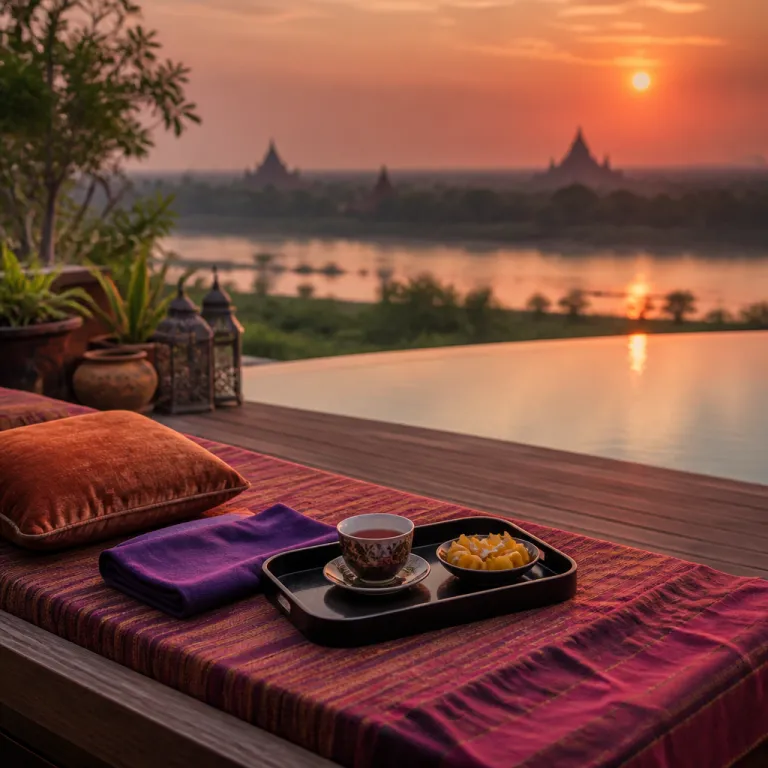
Burma tourism for refined travellers in a changing country
Burma tourism attracts travellers who want depth, elegance, and cultural nuance. In this complex country of Myanmar, luxury guests must balance comfort with awareness of the political situation and civil unrest. Thoughtful planning will help you enjoy refined hotel and travel experiences while respecting local people and fragile heritage.
Any premium trip in Myanmar begins with understanding how the government, the military, and different states shape daily life. Security forces and ongoing armed conflict in parts of Kachin State and Shan State affect where you can safely travel and which services remain reliable. Before you travel Myanmar for leisure, always read updated travel advice from your own government and cross check it with information shared on social media by trusted organisations and regional experts.
Burma tourism now requires more preparation than many destinations in Southeast Asia. You will need a valid visa for Myanmar, and rules can change at short notice when the situation shifts or when international pressure increases. Responsible tourism means you plan your trip so that your spending supports local people rather than entities linked to the military or to the central government.
Balancing luxury and responsible tourism
High end travellers often ask whether tourism Myanmar is still ethical. The answer depends on how you choose your hotels, which services you book, and how carefully you avoid businesses controlled by the military or by the ministry overseeing the hotel sector. Responsible tourism in Myanmar Burma means favouring independent properties, community based experiences, and guides who speak openly about the situation.
When you book luxury accommodation and premium touring options, look for transparent ownership, fair employment practices, and clear commitments to local communities. Some properties in Yangon, Mandalay, and Bagan publish policies about avoiding links to security forces or to government conglomerates, which gives you a better basis for informed decisions. If a hotel will not answer basic questions about ownership or permits, consider alternative services that align more closely with responsible tourism values.
Burma tourism also involves emotional responsibility toward people who live with civil unrest and armed conflict. Staff in hotels, drivers, and guides may have relatives in affected states such as Shan State or Kachin State, and they often rely on international visitors for income. Treat conversations with sensitivity, avoid intrusive questions about Suu Kyi or politics, and remember that social media posts can expose locals to risk if you tag them or share identifiable details.
Yangon and Mandalay: urban gateways for luxury Burma tourism
Yangon remains the main international gateway for Burma tourism, even as some travellers now arrive via regional hubs in Southeast Asia. The city offers the widest range of premium hotel choices, from heritage mansions to contemporary towers with river views. For many people, Yangon is where a trip to Myanmar begins and where first impressions of the country form.
Any refined itinerary in Yangon should include an evening visit to Shwedagon Pagoda, the spiritual heart of Myanmar Burma. From a luxury hotel near Kandawgyi Lake, you can arrange private transfers, English speaking guides, and discreet photography services that respect local worshippers. Many high end properties in Yangon provide concierge teams who will coordinate temple etiquette briefings, modest dress arrangements, and donation envelopes so that your presence at Shwedagon Pagoda feels both elegant and appropriate.
When you travel Myanmar between Yangon and Mandalay, you will notice how infrastructure and services change from region to region. The Yangon Mandalay corridor offers relatively reliable flights and trains, but schedules can shift at short notice because of the political situation or operational constraints. Always confirm domestic flights with your hotel concierge, as they often receive updates faster than international booking platforms and can suggest backup routes.
Mandalay and the royal heartland
Mandalay, the last royal capital of the country, anchors many cultural itineraries in tourism Myanmar. Luxury travellers often pair Mandalay with Bagan and Inle Lake, using premium river cruises or private transfers to move between these iconic destinations. For a curated overview of the royal heartland, a refined traveller’s guide to the Bagan and Mandalay region in Myanmar offers a useful planning framework and highlights top tier stays.
In Mandalay itself, high end hotel options cluster near the palace moat and along the river. Many of these properties can arrange private visits to teak monasteries, hilltop temples, and artisan workshops that still operate despite the broader situation. Ask your concierge for travel advice about which neighbourhoods feel comfortable to walk in, especially after dark or during periods of civil unrest.
Because Mandalay lies closer to conflict affected states, you should pay attention to news about Shan State and Kachin State before finalising your trip. Some routes north of the city have seen armed conflict between security forces and ethnic armed organisations, which can disrupt road travel. A good luxury hotel will monitor government notices and international advisories, then help you adjust plans at short notice if needed.
Bagan and its temples: heritage luxury in the temple plain
For many visitors, the essence of Burma tourism lies in Bagan and its temples. This vast plain of brick stupas and monasteries showcases the spiritual history of Myanmar Burma and remains one of Southeast Asia’s most atmospheric landscapes. Luxury accommodation offerings here blend riverfront elegance with quiet garden retreats close to the main temples Bagan area.
Choosing where to stay in Bagan shapes how you experience the temples. Riverfront resorts in Old Bagan offer quick access to major sites, while secluded properties in New Bagan or the countryside provide more privacy and personalised services. A detailed city Bagan guide to temples, heritage, and luxury stays can help you match your preferred hotel style with the specific temple clusters you most want to explore.
Responsible tourism in Bagan means respecting both the monuments and the people who live among them. Avoid climbing on fragile structures, follow local signage, and use licensed guides whose fees support families in the region. When you book excursions through your hotel, ask whether the services involve community partners and whether part of your payment goes toward conservation of temples Bagan.
Slow travel and premium experiences in Bagan
Many high end guests now embrace slow travel Myanmar experiences instead of rushing between viewpoints. Cycling or e bike tours, arranged through your hotel, allow you to move quietly between lesser known temples and meet local people in villages. A curated Bagan by bicycle itinerary shows how the temple plain rewards travellers who slow down and engage respectfully.
Luxury properties in Bagan often provide sunrise picnics, private meditation sessions with monks, and sunset cruises on the Ayeyarwady River. These services elevate Burma tourism beyond simple sightseeing, turning your trip into a sequence of carefully choreographed moments. When you plan such experiences, confirm that your hotel partners with licensed boat operators and guides who comply with government regulations.
Because of the broader situation in Myanmar, some balloon flights and river cruises may operate seasonally or pause at short notice. Your hotel concierge will usually have the most accurate information about which premium services are running safely. Always cross check their advice with current travel advice from your own country and with updates shared by reputable international organisations.
Inle Lake and Shan State: lakeside retreats amid fragile landscapes
Inle Lake, set in the hills of Shan State, offers one of the most serene settings in Burma tourism. Overwater villas, lakeside lodges, and eco focused luxury properties line the reed fringed shores. Many travellers consider a few nights here essential to balance the intensity of Yangon, Mandalay, and Bagan.
When you travel Myanmar to Inle Lake, you enter a region where ethnic diversity and political complexity intersect. Parts of Shan State have experienced armed conflict between security forces and local groups, although the main lake area has usually remained calmer. Even so, you should ask your hotel for recent situation updates and monitor international travel advice before finalising internal flights.
Responsible tourism at Inle Lake means choosing hotel options that minimise environmental impact. Look for properties that treat wastewater, limit plastic use, and support local weaving villages and organic farms. Many high end lodges now design excursions that highlight traditional fishing techniques without staging harmful performances for social media content.
Curated experiences on and around Inle Lake
Premium hotels at Inle Lake excel at crafting private boat journeys that avoid the busiest canals. You can glide across the water at sunrise, visit quiet temples, and stop at family run workshops that still produce handwoven textiles. These curated services show how Burma tourism can support local livelihoods when designed with care.
Some properties also arrange day trips deeper into Shan State, including vineyard visits and hill walks. Before booking such excursions, ask how far they travel from the main lake and whether any routes pass near areas of civil unrest or recent military activity. A responsible hotel will be transparent about risks and will not pressure you to proceed if the situation feels uncertain.
Because Inle Lake sits at higher altitude than Yangon or Mandalay, temperatures can be cooler, especially at night. Pack layers and confirm with your hotel whether heating is available in rooms, as not all properties in this part of the country offer it. Thoughtful packing will make your trip more comfortable and reduce the need for last minute purchases of imported goods with higher environmental footprints.
Security, visas, and travel advice for luxury stays in Myanmar
Planning a high end trip in Myanmar Burma now requires more attention to formalities than in many parts of Southeast Asia. The first step is securing the correct visa for Myanmar through an official channel, ideally before you book non refundable accommodation and touring arrangements. Rules can change quickly when the government responds to international pressure or internal developments.
Always consult travel advice from your own country’s foreign affairs department before confirming flights. Many governments now flag specific states such as Kachin State and parts of Shan State as areas to avoid because of armed conflict and unpredictable security forces activity. Even if you plan to stay only in Yangon, Mandalay, Bagan, and Inle Lake, these advisories help you understand the broader situation in the country.
Luxury travellers should also consider how quickly plans may need to change at short notice. Domestic flights can be rescheduled, some services may pause, and certain temples or regions may close temporarily. Booking flexible rates and working with hotels that offer responsive support will protect both your investment and your peace of mind.
Risk management for premium travellers
High end visitors often expect seamless logistics, but Burma tourism now involves calculated flexibility. Choose hotels with strong English speaking staff who can liaise with airlines, local authorities, and transport providers if the situation shifts. Properties in Yangon and Mandalay with established international partnerships usually handle such coordination more efficiently.
When you travel Myanmar internally, keep copies of your passport, visa, and key bookings both digitally and on paper. Some checkpoints still rely on manual processes, and having documents ready reduces delays with security forces. Avoid photographing military sites, government buildings, or personnel, as this can attract unwanted attention.
Social media use also deserves careful thought during any trip in Myanmar. Posting real time locations, political commentary, or identifiable images of local people can expose them to risk in a context of civil unrest. Delay sensitive posts until after you leave a region, and focus on temples, landscapes, and hotel interiors rather than individuals who did not explicitly consent.
Choosing and booking luxury hotels in a sensitive context
Selecting the right property is central to a refined Burma tourism experience. In Yangon, Mandalay, Bagan, and Inle Lake, you will find a spectrum of luxury accommodation options, from heritage conversions to contemporary design led spaces. The key is aligning your choice with both comfort expectations and responsible tourism principles.
Before booking, research whether a hotel has links to the military, government conglomerates, or sanctioned entities. International human rights organisations and some travel advice resources publish lists that help you avoid such connections. When in doubt, email the property directly and ask about ownership, local hiring practices, and community engagement programmes.
Working with a specialised luxury and premium hotel booking website focused on Myanmar can simplify this process. These platforms often pre screen properties, verify services, and monitor the situation in different states so that you do not have to track every update yourself. They can also coordinate complex itineraries that combine Yangon Mandalay routes with Bagan and Inle Lake while maintaining flexibility for short notice changes.
How booking platforms can support responsible choices
A well curated booking website for Myanmar Burma does more than list room categories. It provides context about each region, explains how civil unrest or armed conflict might affect access, and highlights hotels that prioritise responsible tourism. This level of detail is especially valuable for people planning their first trip to the country.
Look for platforms that maintain close relationships with on the ground teams in Yangon, Mandalay, Bagan, and Shan State. Such partnerships allow them to update availability, services, and safety notes quickly when the situation evolves. They can also advise whether certain temples Bagan areas, lake villages, or rural routes remain appropriate for international visitors.
When you finalise bookings, choose flexible cancellation policies even if they cost slightly more. In a context where government decisions, military actions, or international sanctions can shift rapidly, flexibility protects your investment. It also allows hotels to manage occupancy more responsibly, as they can adjust staffing and services without overcommitting during uncertain periods.
Key statistics for Burma tourism and luxury travel
- Before the current political crisis, Myanmar received more than 4 million international visitors annually, according to the Ministry of Hotels and Tourism (2019), with Yangon, Mandalay, Bagan, and Inle Lake among the most visited regions.
- Tourism once contributed around 6 to 7 percent of Myanmar’s gross domestic product, based on World Travel & Tourism Council estimates from 2018, highlighting how strongly local people depended on travel related services.
- UN World Tourism Organization data show that international arrivals to Myanmar dropped sharply after the military takeover in 2021, with some years recording declines of more than 80 percent compared with previous peaks.
- Reports from human rights organisations indicate that several states, including Kachin State and parts of Shan State, have experienced recurrent armed conflict, which directly limits where responsible tourism can safely operate.
- Surveys by regional travel associations in Southeast Asia in the early 2020s suggest that a growing share of high end travellers now actively seek responsible tourism options, with many willing to pay more for hotels that demonstrate ethical practices and community support.
FAQ about luxury and premium travel in Myanmar
Is it safe to travel to Myanmar for a luxury holiday ?
Safety in Myanmar varies significantly by region and can change quickly. Many governments advise against travel to conflict affected states such as Kachin State and parts of Shan State, while treating Yangon, Mandalay, Bagan, and Inle Lake with more nuanced guidance. Always check current travel advice from your own country and consult your hotel or booking platform for recent local updates.
Which areas of Myanmar are most suitable for high end travellers ?
For most international visitors, the classic luxury circuit focuses on Yangon, Mandalay, Bagan, and Inle Lake. These areas offer the best developed tourism infrastructure, including premium properties, reliable transport, and curated experiences. More remote states may appeal to adventurous travellers, but ongoing armed conflict and limited services make them unsuitable for most luxury trips.
How can I make sure my spending supports responsible tourism ?
Choose hotels and services that are independently owned or clearly separate from military or government conglomerates. Ask properties about local hiring, community projects, and environmental practices, and prioritise those with transparent answers. Booking through a specialised Myanmar platform that screens partners for ethical standards can further align your trip with responsible tourism principles.
What is the best way to move between Yangon, Mandalay, Bagan, and Inle Lake ?
Most high end travellers use domestic flights to connect Yangon, Mandalay, Bagan, and Heho Airport for Inle Lake. Some also add premium river cruises between Mandalay and Bagan for a slower, scenic segment. Because schedules can change at short notice, work with your hotel concierge or booking website to reconfirm flights and transfers a few days before each leg.
Do I need to change my behaviour on social media while in Myanmar ?
Yes, you should be more cautious than in many destinations. Avoid posting real time locations, political commentary, or identifiable images of local people, as these can expose them to risk in a context of civil unrest and tight control by security forces. Delaying posts until after you leave a region and focusing on landscapes, temples, and hotel interiors is a safer approach for everyone.