From tea plantation to plate: why lahpet thoke matters in Myanmar’s luxury hotels
Lahpet thoke, the iconic fermented tea leaf salad from Myanmar, is far more than a side dish. In upscale dining rooms from Yangon to Inle Lake, this salad of tea leaves, crunchy textures and bright leaf dressing has become a quiet test of how seriously a hotel treats Burmese culinary heritage. When you see lahpet thoke tea leaf salad Myanmar on a menu, you are being invited into a ritual that sits at the heart of local hospitality.
At its core, lahpet thoke is a salad built around fermented tea leaves, not lettuce or other greens. The tea leaf component, called lahpet or laphet depending on the region, is usually buried or sealed and left to become fermented tea in the cool Shan uplands before it ever reaches a luxury hotel kitchen. Once it arrives, chefs transform the fermented leaves into a leaf salad with a vivid salad dressing, layering in fried beans, nuts, sesame seeds, garlic chips, shredded cabbage and sometimes tiny dried shrimp.
Myanmar is one of the few places where people both drink and eat tea, and that dual role gives lahpet thoke unusual cultural weight. The same green tea that appears in your cup as burmese tea at breakfast may also appear as pickled tea in your evening salad lahpet, linking the tea leaves in your glass and on your plate. For couples checking into a premium property, sharing a bowl of thoke Burmese style is often their first edible handshake with the country.
The edible handshake: lahpet thoke as welcome, truce and table ritual
Across Burma, offering lahpet thoke has long signaled respect, reconciliation and welcome. Historically, a tray of fermented tea leaves and accompaniments would be set out after negotiations or disputes, and eating the leaf salad together meant the matter was settled. In today’s luxury hotels, that same gesture is reinterpreted as an elegant amuse bouche or a shared salad dressing moment at the start of a tasting menu.
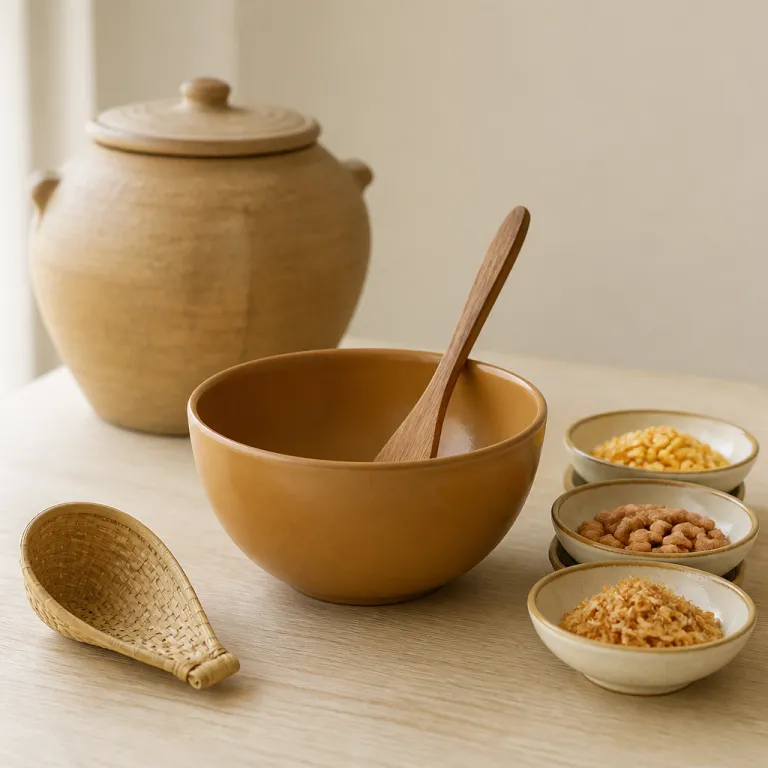
When a hotel understands this symbolism, the lahpet thoke tea leaf salad Myanmar guests receive feels ceremonial rather than token. Staff might present a lacquered tray with separate piles of tea leaves, fried garlic, garlic chips, roasted sesame seeds and nuts, then mix the salad at the table with a drizzle of oil and a measured splash of fish sauce. The performance underlines that every ingredient, from each tea leaf to each generous pinch of sesame, carries meaning.
Some properties in Yangon now pair the fermented tea salad with curated burmese tea flights, letting guests taste green tea, roasted blends and even lightly smoked versions alongside the salad lahpet. A well trained team will explain how the caffeine in the fermented tea leaves can be surprisingly energizing, especially when you are already sipping green tea with your meal. For couples planning a late night, this edible handshake can be both a cultural immersion and a discreet caffeine boost.
Inside the bowl: ingredients, textures and the anatomy of a refined lahpet thoke
For luxury travelers, understanding what goes into a refined lahpet thoke recipe helps you order with confidence. A classic version starts with a generous cup of fermented tea leaves, which are massaged with oil to soften their texture and awaken their aroma. To this base, chefs add a mosaic of ingredients that turn a simple tea leaf into a layered salad experience.
Expect a mix of crunchy fried elements such as beans, peas or lentils, often joined by roasted peanuts and cashews. Many high end kitchens prepare their own fried garlic and garlic chips in small batches, using neutral oil so the garlic flavor stays clean and sweet rather than bitter. A typical recipe will also include finely chopped tomato, shredded cabbage, fresh green chilies and sometimes a scattering of sesame seeds for nutty depth.
The leaf dressing is usually built from a few tablespoons of peanut or sunflower oil, a squeeze of lime, a dash of fish sauce and a pinch salt to balance the fermented tang. Some chefs add a generous pinch of sugar to round the edges, while others rely on the natural sweetness of tomatoes and nuts. When the salad dressing hits the fermented tea, the whole bowl becomes glossy, aromatic and intensely savory, making lahpet thoke tea leaf salad Myanmar one of the most memorable first bites of a trip.
From Shan hills to hotel kitchens: where the tea leaves come from
The story of lahpet thoke begins far from the marble lobbies of Yangon’s luxury hotels. Most of the tea leaves used for fermented tea in Myanmar come from the cool, misty hills of Shan State and neighboring upland regions. Here, smallholder farmers tend green tea bushes on steep slopes, often at elevations between 1 000 and 1 500 meters.
After picking, part of the harvest is dried for drinking as burmese tea, while select leaves are set aside for transformation into pickled tea. These tea leaves are steamed, pressed and packed into containers or bamboo vats, where they slowly become laphet through controlled fermentation. The process can take months, and the resulting fermented tea leaf paste is then shipped to cities across Burma, including Yangon, Mandalay and the resort hubs around Inle Lake.
Some of the most thoughtful hotels now highlight their tea leaf sourcing alongside their coffee and wine stories, treating lahpet thoke as seriously as any signature dish. When you see a menu note about single origin green tea leaves from the Shan uplands, you are glimpsing the same supply chain that feeds the country’s beloved tea shops. If you are planning a trek between Kalaw and Inle, articles such as the guide to artisan villages on the Kalaw to Inle route can deepen your understanding of how these upland communities shape what ends up in your salad bowl.
How luxury hotels interpret lahpet thoke: from timid buffets to serious plates
Not every lahpet thoke tea leaf salad Myanmar hotels serve is created equal, and discerning couples quickly notice the difference. At some properties, the salad appears on the breakfast buffet as a slightly tired mix of tea leaves, cabbage and a few fried beans, more obligation than celebration. In contrast, the best kitchens treat lahpet thoke as a signature, plating it with the same care they give to a fine burmese curry or a grilled river fish.
When a chef takes lahpet seriously, you will see distinct piles of ingredients rather than a pre mixed heap. The fermented tea leaf paste will be glossy and deep green, not dull or grayish, and the fried garlic will be crisp, never chewy. A refined version might arrive as a composed leaf salad, with the leaf dressing poured at the table from a small jug, allowing you to control how intense you want the fermented tea flavor to be.
Some Yangon hotels now weave lahpet thoke into multi course tasting menus that explore the full range of burmese tea culture. You might start with a delicate green tea broth, move through a modern take on curry explained in depth in resources like the guide to Burmese curry, its oil and etiquette, and then arrive at a salad lahpet course that ties the flavors together. In these settings, the tea leaf salad becomes a narrative device, linking the hills of Shan, the tea shops of Yangon and the white tablecloth world of your hotel dining room.
Ordering, pairing and pacing: practical tips for couples tasting lahpet thoke
For travelers new to lahpet thoke, a little strategy helps you enjoy the salad without feeling overwhelmed. The fermented tea leaves carry both caffeine and a concentrated, slightly bitter green tea flavor, so it is wise to share a portion between two people at first. Ask your server whether the kitchen can adjust the salad dressing, especially the fish sauce and chili, if you prefer a gentler introduction.
Many couples enjoy pairing the tea leaf salad with crisp white wines or light beers, which echo the freshness of the ingredients without competing with the fermented tea. If you prefer to stay within the local palette, order a pot of burmese tea or green tea alongside and sip slowly between bites of thoke Burmese style. The interplay between hot tea in your cup and cool pickled tea on your plate is one of the quiet pleasures of dining in Burma’s better hotels.
Timing also matters, because the caffeine in the tea leaves can be surprisingly potent when combined with garlic, fried beans and a generous pinch of chilies. Try lahpet thoke at lunch or early evening rather than just before bed, especially if you are sensitive to green tea. When planning a broader exploration of Yangon’s farm to table scene, including hotel friendly spots highlighted in guides to the city’s elevated dining revolution, use lahpet thoke as your reference point for how seriously a place engages with burmese ingredients.
Reading the salad: what lahpet thoke reveals about a hotel’s hospitality philosophy
Once you know what to look for, lahpet thoke becomes a subtle barometer of a hotel’s values. A thoughtful property will source high quality fermented tea leaves, toast its own sesame seeds and prepare fried garlic in house, rather than relying on generic chips from a packet. The salad dressing will be balanced, with just enough fish sauce, lime and pinch salt to frame the fermented tea without drowning it.
Service details matter as much as ingredients, especially for couples seeking a sense of place. When staff can explain where the tea leaf comes from, how the laphet was fermented and why burmese tea culture treats this salad as a gesture of welcome, you feel anchored in Myanmar rather than in a generic international hotel. Even small touches, such as offering extra garlic chips or adjusting the oil level for a lighter finish, signal that the kitchen is listening.
For travelers using platforms like mymyanmarstay.com to choose between luxury options, paying attention to how properties talk about their lahpet thoke tea leaf salad Myanmar can be revealing. Hotels that highlight their relationship with tea growing communities, their use of single origin green tea leaves or their respect for traditional thoke Burmese recipes tend to show similar care across the menu. In a country where tea, salad and hospitality are so tightly woven, this one leaf salad can tell you almost everything you need to know about the ethos behind the check in smile.
Key figures behind Myanmar’s tea leaf salad culture
- Tea cultivation in Myanmar covers an estimated 170 000 hectares, with a significant share in Shan State, which supplies much of the fermented tea used for lahpet thoke (Food and Agriculture Organization, recent estimates). This scale underpins the steady flow of tea leaves into both tea shops and hotel kitchens.
- Myanmar’s per capita tea consumption is often cited at more than 1 kilogram of dry tea annually, combining both drunk burmese tea and eaten pickled tea (various regional market studies). This dual use helps explain why the tea leaf salad holds such cultural weight.
- Surveys of urban consumers in Yangon and Mandalay have found that over 80 percent of respondents eat some form of lahpet based salad at least once a week. For luxury hotels, this frequency makes offering a well executed salad lahpet almost obligatory rather than optional.
- Shan State accounts for roughly two thirds of Myanmar’s green tea production according to agricultural reports, making it the primary source for both drinking green tea and fermented tea destined for high end lahpet thoke. Many premium properties now reference Shan origins on their menus to signal quality.
FAQ about lahpet thoke and luxury hotel dining in Myanmar
What exactly is in a traditional lahpet thoke served at hotels ?
A traditional lahpet thoke in a hotel setting usually includes fermented tea leaves, shredded cabbage, tomato, green chilies, roasted nuts, fried beans, sesame seeds and fried garlic. The salad is dressed with oil, lime juice, fish sauce and a pinch salt to balance the fermented tea flavor. Some kitchens add dried shrimp or extra garlic chips for texture, but the tea leaf remains the star.
Is lahpet thoke very spicy or strong for first time visitors ?
The intensity of lahpet thoke varies by hotel and by chef. The fermented tea leaves bring a deep, slightly bitter green tea note, while chilies and garlic can add heat if used generously. If you are sensitive, ask the staff to reduce the chilies and adjust the salad dressing so you can appreciate the leaf salad without overwhelming spice.
When is the best time of day to eat lahpet thoke during a stay ?
Because fermented tea contains caffeine, many travelers prefer to eat lahpet thoke at lunch or early dinner. Eating the salad late at night, especially alongside burmese tea or green tea, can feel stimulating for some guests. Couples planning early temple visits or treks often enjoy the salad as a midday pick me up instead.
How can I tell if a hotel’s lahpet thoke is high quality ?
Look first at the color and aroma of the tea leaf paste, which should be glossy and deep green rather than dull. High quality versions feature crisp fried garlic, fresh vegetables, fragrant sesame seeds and a balanced leaf dressing that does not taste overly salty or oily. When staff can explain where the tea leaves were grown and how the laphet was fermented, that is another strong sign of care.
Does lahpet thoke pair better with wine, beer or tea in luxury settings ?
Lighter white wines and crisp beers tend to pair well with lahpet thoke because they echo the salad’s freshness and cut through the oil. Many guests also enjoy pairing the tea leaf salad with hot burmese tea or green tea for a fully local experience. In luxury hotels, sommeliers and tea specialists can usually suggest specific pairings based on how intense the fermented tea and garlic flavors are in that particular recipe.