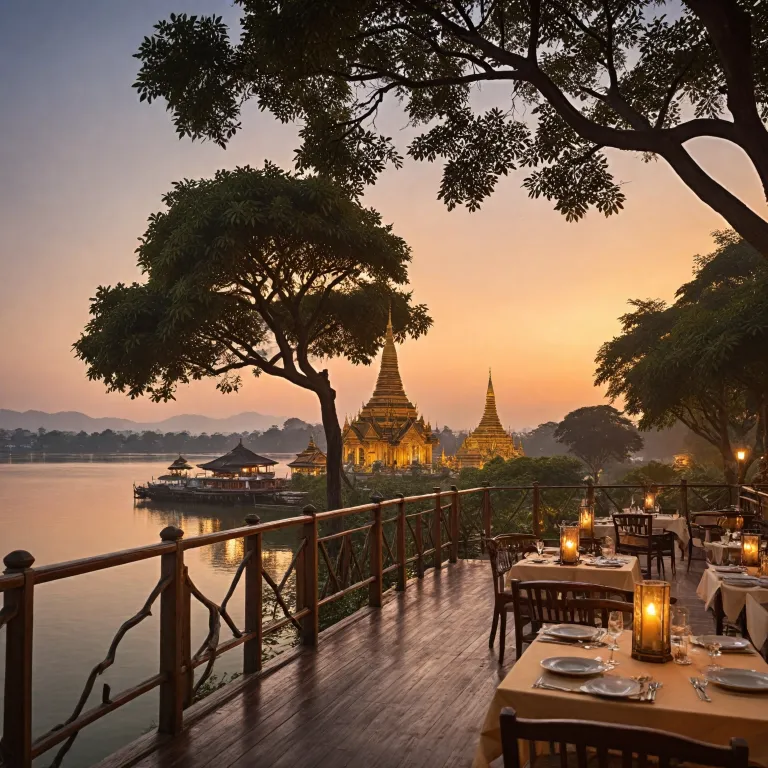
Understanding where Rangoon is located in Myanmar today
Many travelers still ask where is rangoon located when planning a refined journey. The answer is that Rangoon is the former name of Yangon, the largest city in Myanmar and its main commercial gateway. When you look at a map of Asia, you will see this city positioned in the southern part of the country, close to the Irrawaddy delta and the Andaman Sea.
Yangon city lies within the Yangon Region, which is one of the most economically dynamic areas in Myanmar. The coordinates often cited for Yangon Myanmar are approximately 16.8661 degrees north and 96.1951 degrees east, placing the city firmly within Southeast Asia and linking it historically to wider south east maritime routes. For luxury hotel guests, understanding where this urban center sits helps frame flight connections, cruise itineraries, and overland journeys across the country.
Although Naypyidaw is now the political capital, Yangon remains the largest city Myanmar offers in terms of population and commercial energy. Travelers who ask where is rangoon located are usually interested in how close it is to key cultural sites such as Shwedagon Pagoda and Sule Pagoda, both of which rise above downtown Yangon. These landmarks sit within a dense cluster of colonial era buildings, residential commercial districts, and embassies that make the city Yangon a natural base for premium stays.
Historically, Rangoon grew from a small settlement near a pagoda into a major port under British rule. The city myanmar authorities and the Yangon City Development Committee now manage this growth, balancing heritage preservation with modern infrastructure development. For luxury travelers, this mix of burmese tradition, anglo burmese history, and contemporary comfort defines the appeal of Yangon Myanmar as a starting point for wider exploration.
From Rangoon to Yangon city: history, identity, and urban elegance
When guests research where is rangoon located, they often encounter the story of a name that changed with time. The shift from Rangoon to Yangon reflects a broader move to align place names with burmese pronunciation and national identity after the colonial era. This change did not alter the city’s position in Myanmar, but it did reshape how the country presents itself to international tourists and premium hotel brands.
During the period of British administration, Rangoon became a strategic port city in south east trade networks. The British authorities expanded the harbor, laid out a grid of streets in downtown Yangon, and commissioned imposing colonial era buildings that still frame today’s luxury hotel scene. Many high end properties now occupy restored structures from that time, allowing travelers to sleep within walls that witnessed anglo burmese encounters, commercial negotiations, and political change.
After independence, Yangon served as the capital under a succession of governments, including a military government that centralized power in the city. Even after the administrative capital moved, Yangon Myanmar retained its role as the country’s financial and cultural heart. The Yangon City Development Committee, acting as the municipal authority, continues to oversee zoning, infrastructure, and urban development that directly affect where new residential commercial towers and premium hotels can rise.
Today, when you stand near Sule Pagoda and look across the city Yangon skyline, you see a layered story of burma and Myanmar yangon identity. Golden pagoda spires share the horizon with glass fronted hotels, office towers, and renovated warehouses. For travelers booking luxury stays, understanding this history adds depth to each walk through downtown Yangon and each evening spent in a rooftop bar above the largest city.
For refined coastal extensions from Yangon, many guests pair an urban stay with elegant beach hotels on Myanmar’s shores. This combination of city myanmar sophistication and seaside calm suits travelers who value both cultural immersion and relaxed resort time. It also highlights how the country’s geography allows seamless transitions between urban energy and coastal serenity.
Geography of Yangon region and its role in luxury itineraries
Understanding where is rangoon located also means appreciating the wider Yangon Region and its geography. The city sits near the northern edge of the Irrawaddy delta, where rivers fan out toward the sea and create fertile plains that have supported burmese communities for centuries. This position made Yangon Myanmar a natural hub for trade, rice exports, and later for tourism flows across southeast asia.
To the north of the urban core, residential commercial districts extend toward newer townships and industrial zones. Many premium hotels choose central locations closer to downtown Yangon, but some high end properties now appear in quieter northern neighborhoods that appeal to long stay guests. These areas offer easier access to the airport, which is important for international tourists arriving from east asia and other cities in the region.
Within the Yangon Region, Shwedagon Pagoda dominates the skyline from a hill that rises above the city yangon streets. Travelers who ask where is rangoon located in relation to this sacred site will find that many luxury hotels cluster within a short drive of the pagoda. This allows guests to visit at different times of day, experiencing the soft morning light, the heat of midday, and the golden glow of evening time as the stupa reflects the setting sun.
River journeys also shape how visitors experience Myanmar yangon and its surroundings. The proximity to the Irrawaddy delta enables premium cruises and private charters that connect Yangon city with upcountry destinations. For travelers planning such routes, resources like curated Ayeyarwady river journeys for luxury stays help align hotel bookings with embarkation points and flight schedules.
Because Yangon remains the largest city Myanmar offers in terms of connectivity, it often serves as the first and last stop on a country wide itinerary. The Yangon City Development Committee works with national authorities to improve roads, utilities, and public spaces that support both residents and tourists. For luxury travelers, this ongoing development translates into smoother transfers, more reliable services, and a broader choice of high end properties across the city myanmar landscape.
Cultural landmarks near Yangon’s luxury and premium hotels
Many travelers who ask where is rangoon located are really asking how close their hotel will be to key cultural landmarks. In Yangon Myanmar, two pagodas define the spiritual and visual identity of the city: Shwedagon Pagoda and Sule Pagoda. Both stand within easy reach of major luxury hotels, making it simple to weave meaningful visits into even short business trips or weekend stays.
Shwedagon Pagoda rises on Singuttara Hill, slightly north of the densest downtown Yangon streets. From many premium properties, guests can reach the complex within a short drive, allowing them to plan visits at cooler times of day. The pagoda’s terraces, shrines, and prayer halls offer a powerful introduction to burmese Buddhist traditions, and many hotels arrange guided visits that respect local customs and dress codes.
Sule Pagoda, by contrast, anchors a busy traffic circle in the heart of the city yangon grid. Here, colonial era buildings, government offices, and commercial towers surround the golden stupa, creating a vivid contrast between sacred space and urban movement. Luxury travelers staying in central Yangon city can often walk to this area, passing historic structures that date from the british period and later phases of development.
For guests interested in architecture, the streets around downtown Yangon reveal a layered story of burma and Myanmar yangon. Grand post offices, former banks, and civic buildings from the colonial era stand beside newer residential commercial blocks and renovated warehouses. Many premium hotels occupy restored structures, allowing travelers to sleep within walls that once housed anglo burmese trading firms or administrative offices.
Because Yangon remains the largest city Myanmar offers, it also hosts major cultural institutions, galleries, and performance venues. Travelers can combine visits to pagoda complexes with evenings at contemporary art spaces or fine dining restaurants that reinterpret burmese flavors. For those planning extended itineraries, curated guides to all inclusive luxury hotel experiences in Myanmar help link these cultural highlights with carefully chosen stays across the country.
Urban development, governance, and the luxury hotel landscape
When evaluating where is rangoon located within Myanmar’s political and economic framework, it is important to consider governance and urban planning. Yangon city is administered by the Yangon City Development Committee, which oversees zoning, infrastructure, and municipal services. This body plays a direct role in shaping where new luxury and premium hotels can be built, how heritage buildings are preserved, and how public spaces around them are maintained.
Historically, the city served as the seat of various governments, including a military government that centralized authority in Yangon. Even after the capital shifted, many national institutions and corporate headquarters remained in the city yangon area. This concentration of power and commerce has encouraged continuous development, with new residential commercial towers, shopping centers, and hospitality projects rising across the Yangon Region.
For hotel guests, this means that the answer to where is rangoon located extends beyond simple geography to include its role as Myanmar’s commercial heart. The city myanmar authorities coordinate with national agencies to improve roads, utilities, and public transport that support both residents and tourists. These efforts help ensure that premium properties can offer reliable services, from stable electricity to efficient airport transfers, which are essential for high end travel.
At the same time, there is an ongoing conversation about how to balance development with heritage conservation in downtown Yangon. Many colonial era buildings require careful restoration, and some have been adapted into hotels, galleries, or offices. Travelers who value authenticity often seek properties that respect burmese architectural details while providing contemporary comfort, reflecting a broader trend in southeast asia toward sensitive urban renewal.
Because Yangon remains the largest city Myanmar offers, it also serves as a testing ground for new tourism policies and sustainability initiatives. The Yangon City Development Committee collaborates with local communities, investors, and international partners to guide growth in ways that benefit both residents and visitors. For luxury travelers, this governance framework underpins the quality, safety, and long term appeal of the city’s premium hotel landscape.
Practical guidance for luxury travelers staying in Yangon
Travelers who ask where is rangoon located are often in the early stages of planning a high end itinerary. Once they understand that Yangon Myanmar is the main gateway to the country, the next step is to choose the right neighborhood and property. Most luxury hotels cluster in central Yangon city, near Shwedagon Pagoda, downtown Yangon, or the lakes and parks that offer a calmer urban environment.
When selecting a hotel, consider how you plan to use your time in the city yangon area. Guests focused on heritage and architecture may prefer properties within walking distance of colonial era streets, Sule Pagoda, and the riverfront. Those prioritizing convenience for early flights or regional connections across southeast asia might choose hotels closer to the airport, often in the north of the Yangon Region where traffic can be slightly lighter at certain times of day.
Climate is another factor that shapes the luxury experience in Myanmar yangon. The city myanmar weather is typically warm and humid, with seasonal rains that can affect traffic and sightseeing plans. Many premium hotels offer shaded pools, spa facilities, and private car services, allowing guests to navigate the urban environment comfortably while still reaching key sites such as Shwedagon Pagoda and major museums.
For travelers extending their journey beyond Yangon city, it is helpful to coordinate hotel bookings with domestic flights, river cruises, or overland transfers. Because Yangon remains the largest city Myanmar offers in terms of connectivity, many itineraries begin and end here, with time set aside for shopping, dining, and cultural visits. Understanding where is rangoon located within the broader map of burma helps align these logistics and ensures a smoother, more enjoyable stay.
As you plan, remember that Yangon’s role as a commercial hub means that new residential commercial projects and hotels continue to appear. Checking recent reviews, consulting trusted travel advisors, and verifying locations on updated maps will help you choose properties that match your expectations. In this evolving urban landscape, the combination of burmese hospitality, historical depth, and modern comfort makes Yangon Myanmar a compelling base for luxury travel across the country.
Key statistics and essential facts about Yangon for hotel guests
Understanding where is rangoon located also involves a few essential statistics that help frame expectations. Yangon Myanmar has a population of several million people, making it by far the largest city in the country. This scale explains the density of hotels, restaurants, and services that support both business travelers and tourists exploring wider southeast asia.
The area of Yangon city covers almost six hundred square kilometres, including dense downtown Yangon districts and more spacious suburbs to the north. Within this footprint, the Yangon City Development Committee manages roads, utilities, and public spaces that directly affect the comfort of hotel guests. For travelers, these figures translate into varied neighborhoods, from historic cores near Sule Pagoda to quieter residential commercial zones with lakeside promenades.
Yangon’s role as Myanmar’s primary commercial center means that a significant share of the country’s foreign trade passes through its port and logistics networks. This economic weight reinforces the city myanmar status as a hub for international airlines, regional conferences, and high end hospitality investments. When guests ask where is rangoon located in relation to other cities in Asia, the answer emphasizes its strategic position within south east and broader east asia routes.
For context, official data indicate that Yangon’s population exceeds five million residents, while its administrative area approaches six hundred square kilometres. These numbers, retrieved through historical records and geographical data analysis, help planners and investors assess future development needs. For travelers, they simply underscore that Yangon Myanmar is a major urban center where luxury hotels, cultural sites, and everyday burmese life intersect.
“Visit the Shwedagon Pagoda, a historic Buddhist temple.” This concise recommendation, retrieved december in official guidance, captures the essence of why so many itineraries begin or end in Yangon city. By understanding where is rangoon located, how the city yangon has evolved from the colonial era to today, and how governance structures like the development committee shape its growth, travelers can make informed choices about where to stay and how to spend their time.
Key quantitative insights about Yangon
- Population of Yangon city: approximately 5 160 512 people, making it the largest city in Myanmar.
- Administrative area of Yangon: about 598.75 km² under the Yangon City Development Committee.
- Yangon handles more than 80 percent of Myanmar’s foreign commerce, reinforcing its role as the country’s main commercial hub.
Frequently asked questions about Yangon and luxury stays
What is the current capital of Myanmar ?
Naypyidaw is the current capital of Myanmar, having replaced Yangon in 2006. For travelers, this means that while key government ministries are based in Naypyidaw, Yangon city remains the primary gateway for international flights and luxury hotels. Many visitors still begin their itineraries in Yangon Myanmar before continuing to the administrative capital or other regions.
Why was Yangon renamed from Rangoon ?
The name was changed to better reflect the Burmese pronunciation. This shift from Rangoon to Yangon did not alter where is rangoon located on the map, but it aligned the city’s official name with local language and post colonial identity. Travelers will still hear both names used, especially in historical contexts and older guidebooks.
Is Yangon still the largest city in Myanmar ?
Yes, Yangon remains the largest city in Myanmar. Its population, economic activity, and concentration of services far exceed those of other cities in the country. For luxury and premium hotel guests, this status ensures a wide choice of properties, dining options, and cultural experiences within the city yangon area.