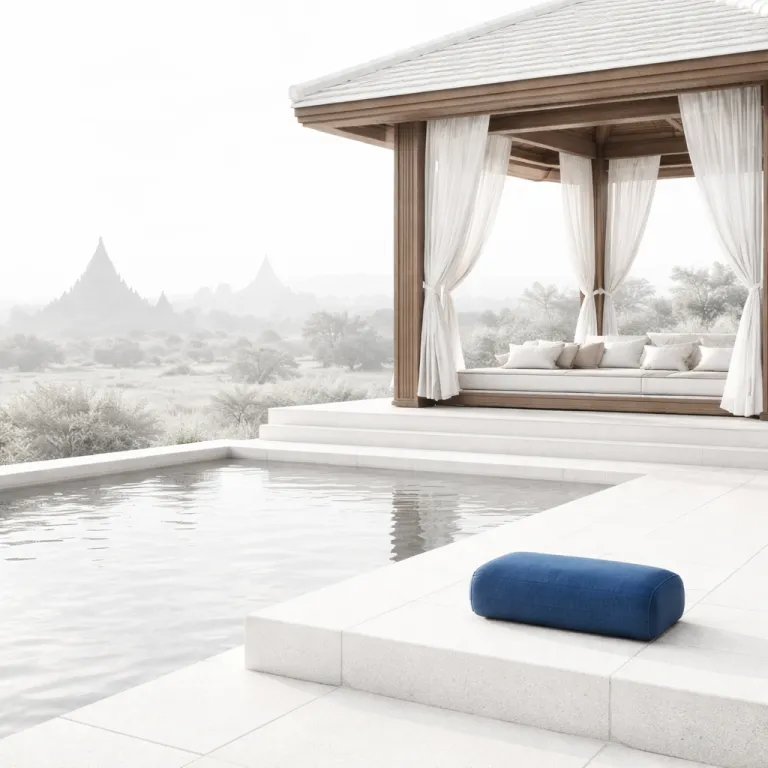
Why a luxury stay in Myanmar is built for quiet wellness
For travelers chasing a luxury stay in Myanmar, the first surprise is space. Wellness minded couples quickly notice that the country’s limited inventory of upscale hotels and boutique resorts naturally keeps numbers low, while Thailand wrestles with density and overtourism in every major beach city. This structural scarcity means that when you book hotels in Myanmar, you are often buying silence, long horizons and the rare luxury of time that is not shared with hundreds of other guests.
Myanmar’s high end hotels and resorts are scattered rather than stacked, and that geography matters. In Bagan, a property such as Aureum Palace Hotel & Resort Bagan spreads villas across wide grounds, so your private pool and pagoda view feel genuinely secluded, not just cleverly landscaped. On Inle Lake, Sanctum Inle Resort sits low against the water, and the resort uses its elongated shoreline to give each suite a different view of the lake, the floating gardens and the slow traffic of wooden boats at dawn.
Across Asia Myanmar remains an outlier, because the country never built the mega resort belts that define parts of Indonesia or southern Thailand. The result is that many luxury hotels operate almost like small retreats, with fewer rooms, more staff attention and a calmer rhythm that suits couples seeking restorative travel. When you compare hotels Myanmar wide, from Mandalay to the southern coast, you see a pattern of properties that grew around ancient sites, lakes and fishing villages rather than around nightlife districts or shopping malls.
For wellness travelers, that pattern is gold. A high end Myanmar hotel stay often means waking to a temple view hotel in Bagan, or to mist lifting off Inle Lake, instead of to a crowded beach club or a six lane road. The Global Wellness Institute valued global wellness tourism at around US$720 billion in 2019 and projected a return to strong growth in the early 2020s (Global Wellness Institute, Wellness Tourism report, accessed 2024), and Myanmar’s quieter hotels and resorts are perfectly placed to serve the segment that now values low density and deep rest over spectacle. If you choose your resort carefully, the country’s slower pace will do half the wellness work for you before the first spa treatment even begins.
From Shwedagon to Inle: wellness that feels genuinely Burmese
Wellness travelers used to look first to Thailand or Indonesia, but a luxury stay in Myanmar offers something those hubs sometimes lack, which is cultural texture woven into every ritual. In Yangon, Pan Pacific Yangon shows how an urban luxury hotel can balance a polished spa with a sense of place, pairing skyline views of the city with easy access to Shwedagon Pagoda and the tea shop culture that defines daily life. Couples can book a massage, then step outside and walk to the pagoda at twilight, letting the sound of bells and murmured prayers finish what the therapist started.
Across hotels Myanmar wide, the most interesting wellness programs are not copying Thai templates but leaning into Burmese practices. Thanaka, the pale paste worn on cheeks, becomes a gentle spa ingredient rather than a gimmick, and some resorts now offer quiet sessions with local guides who explain its cooling, protective role in daily life. Meditation is not imported either; in Mandalay and around Inle, several hotels and resorts arrange early morning visits to monasteries where guests sit in silence while monks chant, an experience that feels more like shared time than staged performance.
On Inle Lake, a luxury resort stay in Myanmar takes on a different cadence again. Sanctum Inle Resort, one of the standout luxury hotels in the region, uses its cloister like architecture to create a sense of retreat, while the resort’s spa leans on slow movement, herbal compresses and long, unhurried treatments. For couples, the real therapy often happens outside the treatment room, drifting by boat through floating gardens at sunrise, when the only sounds are oars, birds and the low hum of village life.
Yangon still anchors most international travel into the country, and it is where many couples book their first hotel before heading to Bagan or the lakes. If you are planning premium hotel experiences near Shwedagon Pagoda, use a specialist resource such as this guide to luxury stays in Yangon around Shwedagon to compare properties by spa quality, pool design and noise levels, not just by star rating. The site operates as an editorial, affiliate style platform, so treat its recommendations as curated suggestions rather than neutral rankings. The best hotels and resorts in the city will help you adjust to the climate and time zone gently, so that by the time you fly on to Mandalay or sail towards Inle, your body is already in the slower, softer rhythm that defines a luxury stay in Myanmar.
Bagan, Inle and the Myeik archipelago: low density by design
Look closely at where the most compelling wellness focused hotels and resorts in Myanmar are located, and a pattern emerges. Bagan, Inle Lake and the Myeik archipelago are all low rise, low density landscapes where the land or sea itself limits overbuilding, which is why a luxury stay in Myanmar often feels more spacious than a similar trip in Thailand. This is not accidental; it is the quiet advantage of a country that opened slowly and never had time to saturate its coasts with concrete.
In Bagan, the best hotels and resorts sit back from the main road, giving couples uninterrupted views of ancient temples and the Irrawaddy plain. A stay at a property like Aureum Palace Hotel & Resort Bagan means your villa may face a line of stupas rather than another wing of the hotel, and sunrise becomes a private ritual on your terrace instead of a crowded rooftop spectacle. If you want to understand how to greet this landscape respectfully, read a specialist piece such as the etiquette guide to Bagan dawn pagoda visits before you travel, because true wellness here includes how you move through sacred spaces.
Further east, Inle Lake turns the idea of a wellness resort into something almost monastic. Many luxury hotels perch on stilts above the water, and the view from your suite is not a manicured garden but fishermen, floating tomato beds and distant hills, all changing colour with the time of day. Couples who choose a luxury stay in Myanmar here often spend long afternoons simply watching the lake from a daybed, letting the slow choreography of boats and birds do the work that sound therapy or guided breathwork might do elsewhere in Asia Myanmar wide.
Then there is the south, where the Myeik archipelago quietly rewrites what beach wellness can mean. Unlike parts of Indonesia, where islands can feel crowded even in shoulder season, the Myeik archipelago still hosts only a modest number of small hotels and resorts, and a luxury stay in Myanmar here is defined by empty beaches, long boat rides and nights where the loudest sound is the tide. As one local boat operator in Myeik put it in a 2025 interview with a regional travel magazine, “People come for the islands, but what they remember is the silence between them.” For couples, this is where the new definition of wellness in travel becomes real; quiet, low density, culturally rooted stays that do not need slogans, only thoughtful design and a respect for the sea. For a deeper perspective on why intentional luxury is winning over mega developments, read analysis such as this piece on intentional luxury versus mega resorts, then apply that lens when you compare hotels and resorts across Myanmar.
Wellness without the gloss: how to book wisely in Myanmar
As wellness tourism grows, the risk in Myanmar is not mass tourism but something subtler, which is wellness washing. A luxury stay in Myanmar can still disappoint if a hotel borrows the language of healing without changing anything about density, noise or staff training, and couples who have seen this in Thailand or Indonesia will recognise the pattern instantly. The smartest travelers now read beyond the spa menu, asking how many rooms the resort has, how much space each guest really enjoys and whether the property’s relationship with nearby villages feels reciprocal or extractive.
Credible luxury hotels in Myanmar share a few traits that go beyond marble lobbies and infinity pools. They integrate local culture into daily rituals, not just into one themed dinner, and they work with local guides who can explain monastery etiquette, thanaka traditions and the agricultural cycles that shape life around Bagan, Mandalay and Inle. Many of the best hotels and resorts also encourage slower travel, suggesting guests stay four or five nights in one place rather than rushing between cities, because they understand that wellness comes from depth of experience, not from ticking off sights.
From a booking perspective, couples should treat a luxury stay in Myanmar as a considered investment, not a last minute add on. Use hotel websites, specialist travel platforms and trusted tour operators to compare not only price but also guest to staff ratios, spa philosophies and how the resort describes its relationship with the surrounding community. One Yangon based general manager recently summed it up in a guest newsletter: “Our goal is that even on a fully booked night, every couple still feels they have the property to themselves for at least a few quiet hours.” That kind of operational promise is often more revealing than any marketing slogan.
Before you pay a deposit, ask one simple question of any hotel or resort you are considering for your luxury stay in Myanmar. If we turned off the spa, the Wi Fi and the marketing language, would this place still feel healing, thanks to its setting, its architecture and the way its équipe relates to local people and landscapes? The properties that can answer yes without hesitation are the ones that will still feel relevant when wellness trends move on, and they are the ones worth your time, your contact details and your travel budget. As of early 2026, always check current travel advisories from your own foreign ministry or a trusted international source, along with local regulations and any region specific restrictions, before confirming dates, so that your wellness focused itinerary remains both safe and respectful of on the ground realities.
Key figures shaping luxury wellness stays in Myanmar
- Myanmar currently offers a relatively small pool of luxury hotels nationwide compared with neighbouring Thailand, which structurally supports lower density stays and quieter resorts for wellness focused travelers (based on publicly listed properties on major booking platforms in the mid 2020s; always check the latest counts when you plan your trip).
- Guest reviews for top tier luxury hotels in Myanmar frequently cluster in the 4.5 to 5 star range out of 5, indicating consistently high satisfaction with service, setting and overall value in the country’s premium segment (drawn from aggregated ratings on leading review sites at the time of writing; individual hotel scores will vary by city and season).
- Global wellness tourism was valued in the high hundreds of billions of US dollars in recent Global Wellness Institute reports, with strong double digit growth over just a few years, which underscores why Myanmar’s calm, culturally rooted hotels and resorts are increasingly relevant to international couples seeking restorative travel (source: Global Wellness Institute, Wellness Tourism report, accessed 2024).