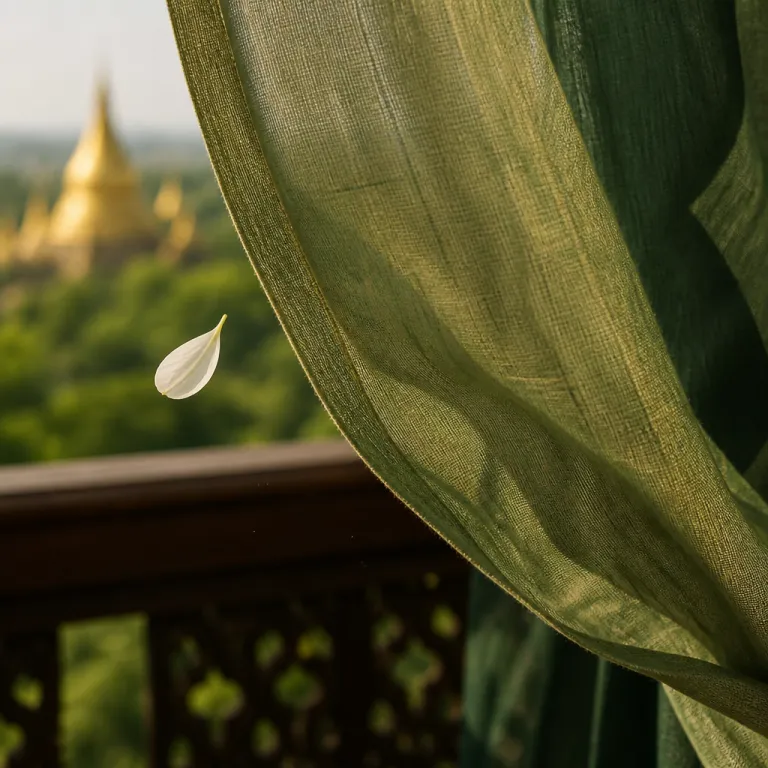
Staying in style among the temples of Burma
Luxury travelers drawn to the temples of Burma usually begin with Bagan, where more than 2,200 temples, stupas, and pagodas rise from the Mandalay Region plain. This former royal capital in central Myanmar lets you pair a refined hotel stay with sunrise views over a sea of spires, creating a setting that feels both beautiful and deeply serene. For guests who value comfort, the most sought-after properties sit close to the Irrawaddy River while still giving easy access to major Buddhist temples and monasteries.
From a hospitality perspective, the key is balancing proximity to heritage with privacy and service. High-end resorts near the main temple clusters around Bagan often offer villa-style suites, shaded pools, and spa pavilions, yet they remain within a short drive of landmarks such as Ananda Temple and Shwezigon Pagoda. Well-known examples include riverside retreats such as Aureum Palace Hotel & Resort Bagan and Bagan Thiripyitsaya Sanctuary Resort, both of which combine landscaped grounds with direct access to the archaeological zone.
Many luxury hotels now design curated itineraries that weave together headline monuments and quieter corners. A typical day might start with a chauffeured transfer to Shwesandaw Pagoda for first light, continue with a private reading of inscriptions at a lesser-known monastery, then end with a sunset cruise along the Irrawaddy River. For travelers comparing temple regions in Myanmar with other destinations in Southeast Asia, this combination of cultural depth and premium comfort makes the area one of the most distinctive and rewarding places to stay.
Choosing the right region and hotel for temple focused journeys
Where you base yourself in Myanmar shapes how you experience the temples of Burma, especially if you have only a few days. The Mandalay Region works well for travelers who want to combine the archaeological zone around Bagan with Mandalay city, the Mahamuni Pagoda, and the monasteries that line the river. If you prefer a slower pace, riverside resorts between Mandalay and Bagan offer a peaceful setting for visiting Buddhist temples without constant packing and unpacking.
Bagan itself divides into Old Bagan, New Bagan, and Nyaung U, and each zone offers a different style of luxury stay. Old Bagan places you closest to major sites such as Ananda Temple, Shwezigon Pagoda, and the cluster of temples and pagodas near the river, while New Bagan tends to have more contemporary properties with larger pools and gardens. Nyaung U, near the airport, suits travelers who want quick transfers, easy day trips to Mount Popa, and flexible options for sunrise and sunset photography.
For guests planning a longer itinerary that links Yangon, Mandalay, and Bagan, it helps to follow a structured route. A detailed resource such as a seven day insider itinerary between Yangon and Bagan can help you align hotel choices with temple visits, flights, and river journeys. By mapping where each pagoda or temple lies within the wider region, you avoid rushed days and ensure that every visiting window matches the most beautiful light and the quietest hours.
Iconic temples and pagodas near luxury hotels
Several of the most iconic temples of Burma sit within a short drive of high-end hotels, which makes private touring both efficient and comfortable. In Bagan, Ananda Temple stands out for its symmetrical plan and four standing Buddha images, while nearby Shwezigon Pagoda glows with gold in the late afternoon light. Many guests also request private access times at Shwesandaw Pagoda, although current preservation rules may limit climbing to protect the structure.
Within Mandalay city, the Mahamuni Pagoda houses one of the most venerated Buddha images in Myanmar, and luxury hotels in the Mandalay Region often arrange early morning visits before the crowds. In Yangon, properties near the lakes provide easy transfers to Shwedagon Pagoda and Sule Pagoda, allowing you to experience these Buddhist temples at dawn or after dark when the atmosphere feels especially unique. When comparing sacred sites across Myanmar, these urban shrines complement the more expansive temple landscape of Bagan, giving a fuller sense of the country’s religious life.
Travelers who care about service standards should look beyond star ratings and focus on how a property supports meaningful visiting experiences. A helpful guide is this analysis of what the phrase best hotels in Myanmar really means once you look past the official classification. The most refined hotels not only arrange transport to pagodas around the country but also brief guests on dress codes, donation etiquette, and respectful photography inside every temple and monastery.
Designing immersive days around Bagan and Mount Popa
Thoughtful planning lets you experience the temples of Burma in and around Bagan without fatigue, even during the hotter months. A well-designed day usually starts before sunrise, when your driver takes you from your hotel to a quiet viewpoint on the plain. After watching the first light touch each pagoda and temple, you can return to your resort for breakfast and a rest by the pool.
Late morning is ideal for visiting interior spaces such as Ananda Temple, where the cool corridors shelter exquisite murals and Buddha statues. Your guide can explain how King Anawrahta and later rulers used temple construction to express both Buddhist devotion and political authority across the Mandalay Region. Many guests then pause for lunch at their hotel before heading out again to explore smaller Buddhist temples and monasteries that see fewer tour buses.
Mount Popa, often called Popa by locals, makes a rewarding day trip from Bagan for travelers interested in both nature and spirituality. The road climbs through a changing landscape before reaching the volcanic plug crowned by a hilltop pagoda complex, which offers wide views back toward the Irrawaddy River plain. Combining a Mount Popa excursion with a gentle sunset circuit among lesser-known pagodas gives you a unique sense of how religion, landscape, and daily life intertwine in this part of Southeast Asia.
Slow luxury on the Irrawaddy River between Mandalay and Bagan
Some of the most memorable ways to experience the temples of Burma involve moving slowly along the Irrawaddy River between Mandalay and Bagan. River cruise vessels with spacious cabins, fine dining, and attentive service allow you to watch pagodas on the riverbanks drift past while avoiding constant hotel changes. For many guests, this style of travel feels like the best balance between comfort, cultural immersion, and efficient visiting time.
From Mandalay, itineraries often begin with a guided visit to the Mahamuni Pagoda and nearby monasteries before you board your vessel. As you sail downstream through the Mandalay Region, you may stop at riverside villages where small Buddhist temples and wooden monasteries sit close to the water, giving a different perspective from the monumental complexes around Bagan. This rhythm of sailing by day and visiting key sites in the cooler hours keeps the experience relaxed yet culturally rich.
Travel planners who want to understand this style of journey in more depth can consult a detailed guide to Irrawaddy River cruises as a slow luxury route. Many cruises integrate excursions to major temple highlights in Myanmar, including Shwezigon Pagoda, Ananda Temple, and smaller pagodas that rarely appear in standard itineraries. When you combine a river journey with a few nights in a carefully chosen hotel near the Bagan archaeological zone, you gain both the serenity of the river and the immediacy of staying among the ruins.
Beyond Bagan: other sacred sites for luxury minded travelers
While Bagan remains the emblem of the temples of Burma, several other sacred sites deserve attention from travelers who value both comfort and depth. The Golden Rock at Kyaiktiyo, a precariously balanced boulder crowned by a glittering pagoda, can be visited as an overnight trip from high-end hotels near Yangon. Many guests appreciate returning from the pilgrimage trail to a calm urban retreat, where spa treatments and fine dining offset the effort of the climb.
In Yangon itself, Shwedagon Pagoda and Sule Pagoda anchor the skyline and offer rich opportunities for observing Buddhist rituals at different times of day. Luxury hotels near Kandawgyi Lake and Inya Lake often schedule guided visiting windows that avoid the hottest hours, ensuring that your time at these sites remains comfortable while still meaningful. These urban Buddhist temples complement the more expansive temple landscapes elsewhere in Myanmar, giving you a rounded view of faith across the country.
Travelers interested in history may also look toward Mrauk U in western Myanmar, where stone temples and pagodas recall the era of King Min Bin and other Arakanese rulers. While the hospitality infrastructure there remains less developed than in Bagan or the Mandalay Region, carefully selected guesthouses and chartered transport can still support a premium style of journey. As one local information source notes, increased tourism to Bagan after its 2019 inscription on the UNESCO World Heritage List has gone hand in hand with restoration efforts for earthquake-damaged temples and growing interest in cultural heritage preservation.
Key figures about the temples of Burma
- Bagan contains around 2,200 surviving temples and pagodas, according to figures widely cited by regional tour operators such as Renown Travel, which makes it one of the densest concentrations of Buddhist temples anywhere in Southeast Asia.
- Thatbyinnyu Temple in Bagan rises to about 63 meters in height, based on measurements referenced in documentary sources including the film series Best Documentary, and this vertical scale helps visitors understand the engineering ambition of medieval builders in the Mandalay Region.
- The main construction phase for many temples of Burma in Bagan ran from the 11th to the 13th centuries, a medieval period when rulers such as King Anawrahta used temple building to consolidate Theravada Buddhist practice across Myanmar.
- UNESCO recognition of Bagan in 2019 has coincided with increased tourism and expanded restoration programs, which aim to stabilize earthquake-damaged temples while keeping key sites such as Ananda Temple and Shwezigon Pagoda open for respectful visiting.
FAQ about luxury stays near the temples of Burma
What is the oldest temple associated with the temples of Burma ?
One widely cited tradition holds that Shwedagon Pagoda in Yangon dates back to the lifetime of Gautama Buddha, although the visible structure reflects many later renovations. While Bagan’s monuments dominate most itineraries, this Yangon pagoda remains central to understanding Buddhist devotion in Myanmar. Many luxury travelers choose hotels that allow easy evening visits to Shwedagon after daytime flights.
Are there Hindu temples in Myanmar near major tourist routes ?
Yes, there are Hindu temples in Myanmar, including the Shri Kali Temple in Yangon, which lies within easy reach of many upscale city hotels. Travelers interested in religious diversity often combine a visit to this temple with time at Sule Pagoda and nearby churches. This mix of sites shows how the temples of Burma reflect multiple faiths living side by side.
Can visitors enter all temples in Bagan from their hotels ?
Not every temple in Bagan is open to the public, because some structures are fragile or undergoing restoration. Official guidance states, some temples are restricted due to preservation efforts. Your hotel concierge or licensed guide can advise which Buddhist temples and pagodas are currently accessible and which viewpoints offer the best sunrise and sunset experiences.
When is the best time to visit the temples of Burma in Bagan ?
The dry season, typically from November to February, generally offers the most reliable conditions for exploring the Bagan area, with clearer skies and easier access to remote sites. Many luxury travelers plan their time to visit around these cooler months, which make sunrise balloon flights and long monastery walks more comfortable. High-end hotels often adjust their services seasonally, adding early breakfast options and flexible spa hours during peak visiting periods.
How should I dress when visiting Buddhist temples and pagodas in Myanmar ?
Respectful dress is essential at every pagoda, temple, and monastery in Myanmar, regardless of whether you arrive from a luxury hotel or a simple guesthouse. Shoulders and knees should be covered, and shoes must be removed before entering any Buddhist temples or sacred platforms. Many premium properties provide light shawls or longyi garments in rooms, making it easier to move between the comfort of your suite and the spiritual atmosphere of the temples of Burma.