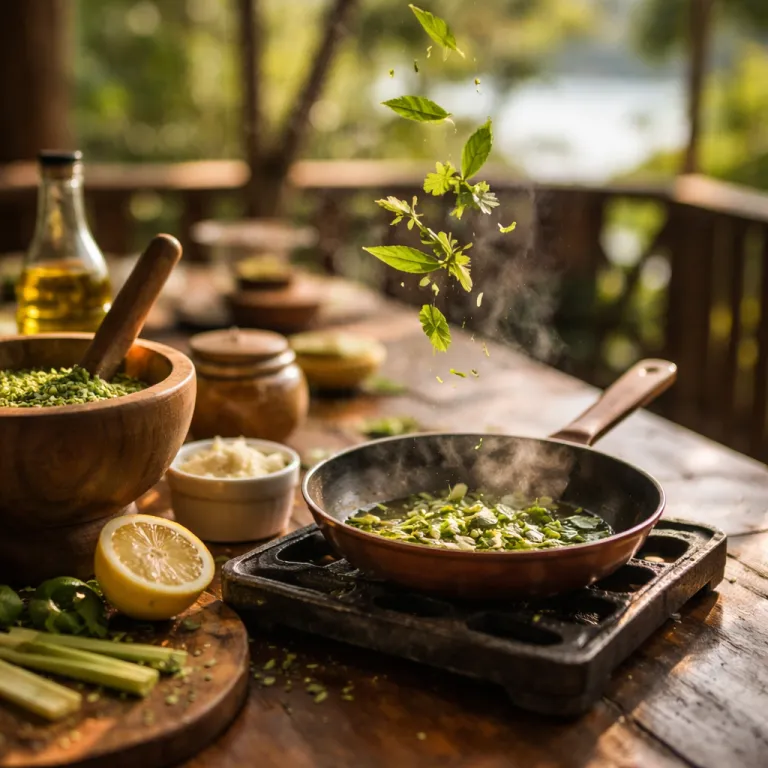
Wa Ale cooking class as the quiet heart of a luxury family stay
The Wa Ale cooking class sits at the centre of Wa Ale Resort’s daily rhythm, turning a remote private island retreat into what feels like a family kitchen by the sea. This is not a themed activity tacked onto a jungle resort schedule; it is the main content of the day for many guests, a thoughtfully designed ritual that links culinary pleasure with the island’s wellness and conservation ethos. Parents may arrive expecting a standard hotel workshop, yet leave with a deeper connection to nature, to local food traditions and to each other.
Set within the Lampi Marine National Park in the Myeik Archipelago, often described as Myanmar’s first marine national park, Wa Ale Resort occupies a crescent of almost untouched sand framed by jungle and granite headlands. The resort limits capacity to around 28 guests in total, so each Wa Ale cooking class feels intimate, with no more than 10 participants moving between herb garden, open-air kitchen and long communal table. That scale matters for premium families; children are seen, guided and encouraged, not processed through anonymous cooking classes that feel like production lines.
The organiser, Wa Ale Resort, structures every cooking class as a hands-on culinary experience with clear objectives. “What dishes are taught?” and “Is prior experience required?” are answered before you even tie an apron, because the team explains that “Traditional Burmese cuisine.” is the focus and “No, all skill levels welcome.” is the rule. For families comparing luxury options across Myanmar, this Wa Ale cooking class stands apart from city hotel classes by weaving in the private island setting, the Lampi Foundation conservation story and the resort’s promise to sustain and protect both wildlife and local communities. As the founders note in their own materials, a portion of resort revenue is channelled to the Lampi Foundation to support marine conservation and community projects within the park.
From herb garden to plate: how the class unfolds for families
A typical Wa Ale cooking class begins in the resort’s kitchen garden, where children are invited to pinch, smell and pick herbs under the chef’s eye. This first step is deliberately slow, encouraging a genuine connection to nature as young hands move between lemongrass, kaffir lime and wild ginger, while parents ask about the Lampi Foundation projects that sustain and protect the surrounding jungle and marine national environment. The walk back to the open-air kitchen passes the jungle gym and yoga deck, a reminder that wellness here is not abstract but stitched into daily family routines.
Once aprons are on, the chef lays out local ingredients and traditional utensils, explaining that the Wa Ale cooking class is built around hands-on instruction supported by short demonstrations. Children usually handle the washing and tearing of herbs, pounding of spice pastes and shaping of simple snacks, while adults take charge of knife work, hot oil and the more technical cooking stages. The resort keeps the group small, so each family receives private guidance, and the chef can adjust the pace of the cooking classes to suit different ages and confidence levels.
Over roughly ninety minutes, the class moves through two or three dishes that reflect Wa Ale Resort’s Southeast Asian and Mediterranean culinary blend. One moment you are marinating reef fish with turmeric, lime and island-grown coriander; the next you are finishing a grilled vegetable salad with olive oil that would not feel out of place in a Mediterranean cookbook author’s kitchen. A signature favourite is a banana-leaf-wrapped coastal fish curry, simmered for about 15 minutes over gentle heat so the spices infuse without drying the fillet. Throughout, the chef quietly reinforces eco-friendly habits, from minimising waste to choosing species that do not threaten local fishing stocks, aligning the cooking class with the resort’s broader considerate collection of sustainability practices.
What families actually cook: Burmese fish, fusion plates and kids’ roles
The Wa Ale cooking class focuses first on traditional Burmese recipes, then layers in Mediterranean notes that suit the island’s sea-facing setting. Expect at least one fish dish, often a coastal curry or grilled fillet wrapped in banana leaf, where adults handle the heat while children confidently mix marinades and arrange herbs. Another favourite in these cooking classes is a bright salad of tomatoes, peanuts and local greens, where kids can safely crush nuts, toss vegetables and taste as they go.
Parents who care about serious food will appreciate that the chef does not dilute flavours for younger palates, instead teaching families how to adjust chilli and acidity at the table. The Mediterranean–Burmese fusion works best in simple plates that respect the ingredients, such as charred vegetables with sesame and olive oil or grilled squid with lime and herbs, all framed by views of the jungle and sea. Where the fusion can feel less convincing is in heavier pasta-style dishes, which some guests find less aligned with the island’s light, marine national context and the resort’s wellness focus.
Between steps, children drift between the nearby jungle gym and the cooking station, returning to stir pots or plate salads, while parents refine knife skills under the chef’s private supervision. The Wa Ale cooking class is structured so that no one feels sidelined; younger children handle herbs, pounding and plating, teenagers manage frying and grilling, and adults tackle filleting and timing. By the time the tasting session begins, every family member can point to something they created, which deepens the overall experience and makes dinner feel like a shared achievement rather than another hotel meal.
Beyond the stove: weaving nature, wellness and Lampi Marine National Park into the day
What elevates the Wa Ale cooking class above many city hotel offerings is how it extends beyond the kitchen into the island’s daily rhythm. Families often start the morning with gentle yoga on the deck, listening to the jungle wake up while hornbills cross the canopy and the sea shifts from indigo to silver. After breakfast, some guests head out by kayak to explore mangroves or join a guided snorkelling or diving trip, seeing first-hand the wildlife that the Lampi Marine National Park and Lampi Foundation work to sustain and protect.
By the time the afternoon Wa Ale cooking class begins, children have already seen fishermen at work, coral gardens under the surface and perhaps a sea turtle gliding past the bow of the boat. That context makes the culinary lesson more than a recipe session; when the chef talks about responsible fishing or choosing certain species, families can picture the exact reef or bay. The resort’s considerate collection of activities, from low-impact fishing excursions to guided nature walks, reinforces the idea that every plate is linked to the wider ecosystem.
After the tasting, many families choose to have their creations incorporated into the evening menu, turning the cooking class into a full-day arc from forage to feast. Parents might slip away for a wellness treatment while children burn off energy at the jungle gym, before everyone reconvenes at the long table overlooking the sea. Compared with urban cooking classes in Yangon or Bagan, which often stay within the walls of a hotel, this private island experience feels inseparable from the landscape, making the Wa Ale cooking class a natural extension of the resort’s connection to nature rather than a standalone activity.
How Wa Ale compares to Yangon and Bagan classes, and practical booking advice
Across Myanmar’s luxury scene, several hotels in Yangon and Bagan offer polished cooking classes, usually in sleek demonstration kitchens with city or temple views. Those urban sessions excel at market visits, where guests walk through bustling streets, learn about regional produce and then return to the hotel to cook under air-conditioned comfort. The Wa Ale cooking class, by contrast, trades markets for mangroves and pagodas for jungle, appealing to families who value immersion in nature and a slower, more tactile experience.
In Yangon, cooking classes tend to focus on classic Burmese dishes with some pan-Asian touches, while Bagan properties often highlight regional salads and curries that pair well with sunset views over the Irrawaddy. Wa Ale Resort’s culinary angle is more coastal and Mediterranean-leaning, shaped by its private island setting and the chef’s preference for grilled seafood, bright herbs and olive oil. For premium families, the choice is clear; Yangon and Bagan are ideal for culture-dense city stays, while the Wa Ale cooking class is better for those seeking a private, wellness-oriented retreat where wildlife, sea and jungle frame every meal.
Practically, families should book the Wa Ale cooking class in advance, as each session is capped at around 10 people to preserve the private feel and ensure attentive instruction. Minimum age guidelines are flexible, but children who can safely follow directions and handle basic tasks tend to benefit most, while the team is careful with knives, hot oil and any jungle foraging. Allergy handling and dietary adaptations are taken seriously, and “Are dietary restrictions accommodated?” is answered clearly with “Yes, with prior notice.”, so inform the resort early, then focus on planning the rest of your itinerary with resources such as the in depth guide to Myanmar culture in luxury travel on mymyanmarstay.com/blog/myanmar-culture-in-luxury-travel-refined-stays-for-meaningful-journeys.
Design, ethos and why this class matters for luxury family travel
Wa Ale Resort belongs to Small Luxury Hotels of the World, yet its aesthetic is more thoughtfully designed eco camp than polished city tower. Villas and tents sit between jungle and beach, built with reclaimed timber and soft textiles that frame views of the sea, while pathways lead past the yoga shala, jungle gym and open-air restaurant. This design language carries into the Wa Ale cooking class area, where long wooden counters, woven baskets and open shelving make the kitchen feel like an extension of the island rather than a back-of-house hotel space. A typical image from the resort shows the open kitchen framed by palm trees and the bay beyond, a scene that underlines how closely food and landscape are linked here.
The resort’s partnership with the Lampi Foundation underpins every aspect of the Wa Ale cooking class, from ingredient sourcing to waste management. Staff explain how class fees and overall resort revenue help sustain and protect local communities, wildlife and marine habitats within the Lampi Marine National Park, turning each family’s culinary experience into a small act of support. For discerning travellers who care about where their money goes, this alignment between luxury, wellness and conservation feels more convincing than many urban hotel sustainability pledges.
For premium families, the deeper value of the Wa Ale cooking class lies in how it reframes what a children-friendly activity can be on a private island. Instead of a themed kids’ club, you have a shared, hands-on experience where parents refine Burmese fish technique, children handle herbs and plating, and everyone learns why certain fishing practices matter in a fragile marine national ecosystem. In a country where luxury travel is evolving quickly, this kind of grounded, culinary-led connection to nature sets Wa Ale Resort apart as a considerate collection of experiences rather than just another remote hotel.
FAQ about the Wa Ale cooking class and family stays
What exactly is included in the Wa Ale cooking class?
The Wa Ale cooking class includes a guided walk through the herb garden, a hands-on cooking session using local ingredients and traditional utensils, and a relaxed tasting of the dishes you prepare. Instruction is led by the resort chef, with support from local cooks who share regional techniques and stories. The experience is complimentary for in-house guests, though advance booking is recommended due to limited class size.
Is prior cooking experience required for adults or children?
No prior experience is necessary for either adults or children, as the class is designed for all skill levels. The chef demonstrates each step, then guides participants through tasks appropriate to their age and confidence, from simple herb preparation to more advanced knife work. Safety is prioritised, with hot oil, sharp knives and complex techniques reserved for adults and older teenagers.
How does Wa Ale handle dietary restrictions and allergies?
The resort can adapt the Wa Ale cooking class for most dietary needs, including vegetarian, vegan and gluten-free preferences, as well as common allergies. Guests are asked to inform the team of any restrictions when booking their stay or reserving a class, so ingredients and recipes can be adjusted in advance. On the day, the chef will reconfirm details and suggest suitable dishes within the planned menu.
What is the typical schedule and group size for the class?
Classes usually run in the afternoon, with guests arriving around midday, cooking for roughly ninety minutes and then sitting down to taste their dishes. Group size is kept to about 10 participants to ensure a private, attentive atmosphere and plenty of space for families to work together. This small scale also allows the chef to tailor the pace and complexity of recipes to the group.
How does the Wa Ale class compare to cooking classes in Yangon or Bagan?
Yangon and Bagan hotel classes often focus on market visits and temple or city-based experiences, followed by cooking in modern demonstration kitchens. The Wa Ale cooking class, by contrast, is rooted in its private island setting within the Lampi Marine National Park, with a stronger emphasis on seafood, conservation and outdoor living. Families who prioritise cultural immersion in urban settings may prefer Yangon or Bagan, while those seeking nature, wellness and wildlife alongside culinary learning tend to favour Wa Ale.