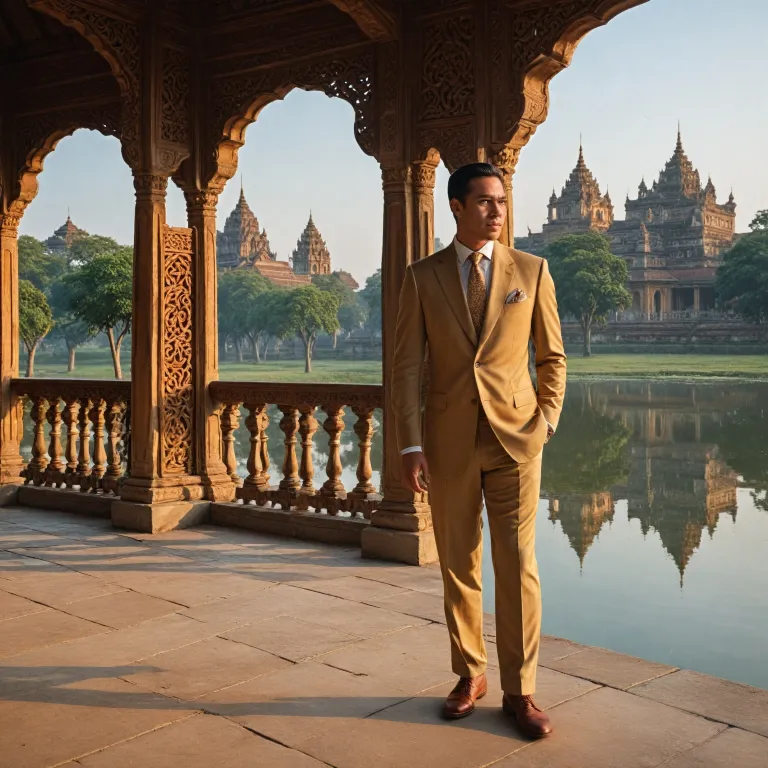
Luxury perspectives on city mandalay for discerning travellers
The city of Mandalay in Myanmar blends royal heritage with a growing portfolio of luxury and premium hotels. For travellers seeking refinement, Mandalay city offers stays that frame the Irrawaddy River, the royal palace grounds, and distant hill silhouettes in one elegant panorama. This balance between heritage and comfort makes the city ideal for guests who want cultural depth with polished service.
Mandalay is Myanmar’s second largest urban centre and the cultural hub of Upper Burma, which gives luxury hotels access to a rich network of artisans, performers, and culinary specialists. Many premium properties curate private visits to a pagoda or buddha temple at quieter hours, allowing guests to appreciate the spiritual atmosphere without the daytime crowds. These experiences feel especially meaningful when combined with expert guides who explain how the royal capital evolved under King Mindon and later under British rule.
High end hotels in Mandalay region increasingly design stays around the city’s riverside setting, offering sunset cruises on the Irrawaddy River with fine Burmese cuisine and regional wines. From the deck, guests see the outline of Mandalay Hill and the distant span of U Bein bridge, while learning how trade with China and other neighbours shaped the city’s fortunes. Such curated journeys help travellers understand why Mandalay city remains both an economic powerhouse and a guardian of traditional Burmese culture.
Royal heritage, sacred sites, and their impact on premium stays
Any luxury stay in city Mandalay is enriched by its royal and religious landmarks, which shape both itineraries and hotel design. The Mandalay Palace complex, rebuilt on the original grid laid out when the city was built by the king, still defines the urban layout and inspires many properties’ symmetrical gardens. Guests often combine a palace visit with a guided ascent to Mandalay Hill, timing their arrival for soft evening light over the Irrawaddy River.
Nearby, the Kuthodaw Pagoda and Sandamuni Pagoda create a serene white landscape of shrines, often included in private photography tours arranged by premium hotels. At Kuthodaw Pagoda, travellers encounter the so called largest book in the world, a series of marble slabs inscribed with Buddhist scripture that fascinate culturally curious people. Sandamuni Pagoda, with its dense forest of stupas, offers a quieter counterpart, where guests can reflect on the city’s spiritual depth.
Many high end properties also organise early morning visits to the Mahamuni Buddha temple, one of the most revered shrines in Myanmar Mandalay. Here, guests witness local Burmese worshippers applying gold leaf to the Mahamuni Buddha statue, a ritual that reveals how faith shapes daily life in this royal capital. These curated experiences, combined with thoughtful explanations of how King Mindon anchored the city’s religious landscape, give luxury travellers a deeper sense of place.
Understanding city mandalay’s geography, population, and urban rhythm
For travellers choosing a luxury hotel, understanding Mandalay city’s layout and population patterns helps refine location preferences. The city stretches across roughly 164 km² in Mandalay Region, with a population exceeding 1.6 million people concentrated around the palace moat and commercial corridors. Premium hotels often cluster near the royal palace, along the Irrawaddy River, or at the foot of Mandalay Hill, each area offering distinct advantages.
Staying near the palace places guests close to markets, traditional workshops, and major pagoda Mandalay sites, ideal for travellers who value walkability. Properties by the Irrawaddy River appeal to those seeking quieter evenings, river breezes, and easy access to sunset cruises that glide past the city’s waterfront. Hotels near the foot of Mandalay Hill suit guests prioritising quick access to sunrise or sunset viewpoints and day trips into the surrounding Mandalay Region.
Mandalay’s role as the second largest city in Myanmar also shapes its transport and dining scene, which matters for premium stays. The city connects by air, rail, and road to Yangon, while trade with China supports a notable Chinese community and a range of Chinese restaurants. This mix of Burmese and Chinese influences, layered over British era infrastructure and the legacy of the royal capital, creates a cosmopolitan rhythm that luxury travellers can tap into through well located hotels.
From royal capital to resilient luxury hub after earthquake and change
City Mandalay’s identity as a royal capital founded by King Mindon still underpins its appeal, yet the city has also endured upheaval. Historical records note that “1857: Founded by King Mindon as the royal capital.” and “2025: Experienced a magnitude 7.7 earthquake causing extensive damage.”, events that continue to shape urban planning and hospitality investment. For luxury travellers, this history translates into a city that values resilience, restoration, and careful preservation of heritage sites.
After the earthquake, many premium hotels in Mandalay Region reinforced structures, upgraded safety standards, and refined evacuation planning, which reassures international guests. Properties near key sites such as Shwenandaw Monastery, Kuthodaw Pagoda, and the royal palace now highlight both their architectural beauty and their strengthened engineering. This combination of cultural richness and modern safety protocols is increasingly central to high end booking decisions in Myanmar Mandalay.
The Mandalay City Development Committee works with local and international partners, including neighbours like China and India, to guide infrastructure upgrades that benefit travellers. Improved roads to U Bein bridge, better lighting around major pagoda Mandalay complexes, and enhanced riverfront promenades along the Irrawaddy River all support premium tourism. As a result, guests can enjoy refined stays that honour the city’s original royal layout while benefiting from contemporary standards of comfort and security.
Curated cultural experiences, from U Bein bridge to Burmese craftsmanship
Luxury hotels in city Mandalay increasingly focus on curated cultural programs that connect guests with local people and traditions. One signature experience is a private excursion to U Bein bridge, often written as Bein bridge, timed for sunrise or sunset over the lake’s calm waters. Guides explain how this teak bridge, built by a regional king using reclaimed palace timber, symbolises both impermanence and continuity in Burmese culture.
Back in Mandalay city, premium properties arrange visits to workshops where artisans carve Buddha images, weave silk, or craft gold leaf used at Mahamuni Buddha temple. These encounters reveal how the city’s population sustains skills passed down since the days when the royal palace supplied courts across Burma and beyond. Some hotels also collaborate with the university sector and cultural institutions to host lectures on British era history, Chinese migration, and the evolution of trade with China.
Travellers interested in social perspectives on luxury journeys in Myanmar can explore themes of gender and resilience through resources such as this in depth article on the grace and resilience of the women of Burma in Myanmar’s luxury hotel journeys. Such context enriches a stay in Mandalay Region, where the city’s role as a royal capital intersects with contemporary hospitality careers. By engaging thoughtfully with these experiences, guests help sustain both Burmese craftsmanship and the communities that keep Mandalay’s cultural landscape vibrant.
Strategic booking insights for premium stays in city mandalay
Selecting the right luxury hotel in Mandalay city involves aligning location, experiences, and cultural interests. Travellers focused on spiritual heritage may prioritise properties offering private access or guided visits to Kuthodaw Pagoda, Sandamuni Pagoda, and Mahamuni Buddha temple. Those more drawn to scenic views might choose hotels near the foot of Mandalay Hill or along the Irrawaddy River, where sunrise and sunset frame the city beautifully.
Understanding Mandalay’s connections to Yangon, China, and the wider Mandalay Region also helps when planning multi city itineraries across Myanmar. Many guests pair a stay in city Mandalay with time in Yangon, contrasting the colonial era avenues of the former capital with the royal palace grid of this second largest city. Others extend onward to the Chinese borderlands, tracing trade routes that have long linked Burma and China through the movement of goods, ideas, and people.
When evaluating premium properties, travellers should look for evidence of cultural sensitivity, such as partnerships with local artisans, support for Burmese staff development, and respectful interpretation of pagoda Mandalay sites. Hotels that acknowledge the city’s earthquake history and British colonial past, while celebrating its original royal foundations under King Mindon, tend to offer richer narratives. These elements, combined with transparent sustainability practices, help ensure that luxury in Myanmar Mandalay feels both responsible and deeply rooted in place.
Key statistics and practical FAQs for luxury travellers
Mandalay’s quantitative profile offers useful context for guests booking premium stays in city Mandalay. The urban area covers about 163.84 km², with an elevation close to 22 meters above sea level, which explains the city’s relatively warm climate. With a population exceeding 1.6 million people, Mandalay city supports a diverse hospitality sector capable of serving both domestic and international luxury travellers.
These figures also highlight why Mandalay Region remains a strategic hub within Myanmar, linking agricultural hinterlands, river transport on the Irrawaddy River, and overland routes toward China and India. The city’s scale as the second largest urban centre ensures a steady flow of flights, trains, and buses connecting Mandalay to Yangon and other destinations. For high end guests, this translates into flexible arrival options and the possibility of combining Mandalay with coastal or highland retreats elsewhere in Burma.
What is Mandalay known for ? Mandalay is renowned for its rich cultural heritage, traditional crafts, and historical significance as the last royal capital of Myanmar. How can I travel to Mandalay ? Mandalay is accessible by air through Mandalay International Airport, by road, and by rail from major cities like Yangon. What are the main industries in Mandalay ? Key industries include agriculture, trade, and traditional crafts such as silk weaving and jade cutting. These practical insights, combined with an understanding of landmarks like Shwenandaw Monastery, Kuthodaw Pagoda, and Mandalay Hill, help luxury travellers plan refined and meaningful stays.