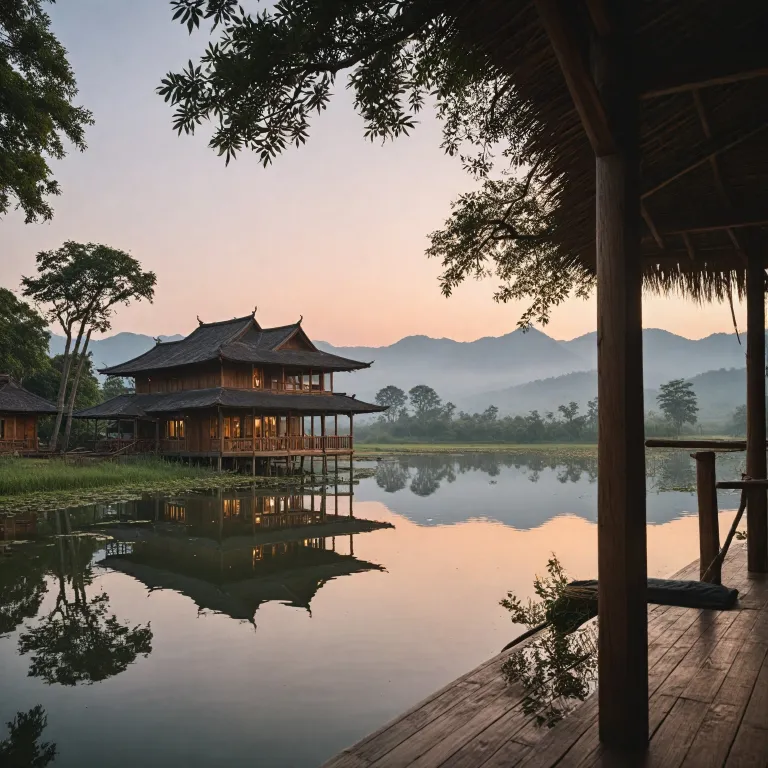
Luxury perspectives on inle lake for discerning travelers
Inle lake in Myanmar offers a rare blend of serene water landscapes and refined hospitality that appeals to travelers seeking comfort with cultural depth. The lake stretches across a large basin in Shan State, where misty mountain silhouettes frame the horizon and elegant hotels line discreet corners of the lake area. For premium guests, the promise is simple yet compelling, with tranquil boat rides, attentive service, and meaningful encounters with local traditions.
This freshwater lake in Myanmar is home to the Intha people, whose leg rowing techniques have become an emblem of the region and a highlight of every curated boat tour. When you glide across the water at sunrise, you see fishermen balancing on one leg while steering with the other, and you pass floating gardens anchored by water hyacinths that sustain entire villages. These scenes shape the identity of lake Inle and influence how luxury and premium hotel teams design experiences that feel authentic rather than staged.
High end hotels around inle lake must also respond to environmental realities, because the lake faces pressure from deforestation, pollution, and climate change. Guests increasingly expect that a good hotel will support conservation, partner with local communities, and respect the fragile ecosystem that supports floating houses and stilt houses. As you compare properties in Nyaungshwe, Maing Thauk, and other villages, it becomes essential to evaluate not only spa menus and room sizes but also how each hotel contributes to the long term health of lake Myanmar.
Choosing the right lake inle hotel for premium comfort
Selecting a luxury hotel around inle lake starts with understanding the geography between Nyaungshwe, Maing Thauk, and the central lake area. Many travelers base themselves in Nyaungshwe or Nyaung Shwe town, where streets are lined with restaurants, markets, and travel agencies that can arrange every type of boat ride. Others prefer secluded lake Myanmar retreats, where stilt houses rise directly above the water and private jetties allow effortless access to each scheduled boat tour.
When you compare hotel options, consider how each property integrates the floating world of inle with modern comforts such as spa facilities, curated food menus, and climate conscious design. A good luxury hotel will offer direct access to floating gardens, leg rowing demonstrations, and nearby villages while maintaining quiet zones for rest and wellness. For couples seeking romantic escapes in Myanmar, it is worth reviewing this guide to the best luxury hotels for couples, then matching those expectations with the unique character of lake inle.
Premium travelers should also examine how properties source their food and manage their relationship with local communities in Shan State. Some hotels partner with nearby villages to offer cooking class experiences that highlight Shan noodles, avocado salad, and seasonal lake fish prepared in traditional styles. Others collaborate with Intha guides for private boat tours that visit floating markets, monasteries, and wineries such as Red Mountain, ensuring that tourism revenue circulates through the wider network of villages around inle lake.
Immersive lake experiences by boat, market, and floating gardens
Time on the water defines any stay at inle lake, and thoughtful planning helps transform a simple boat ride into a memorable premium experience. Many hotels can arrange a private boat tour that departs at dawn, when the lake is quiet and the first leg rowing fishermen appear as silhouettes against the rising light. During these excursions, you glide past floating gardens, stilt houses, and wooden monasteries while your guide explains how the Intha people built villages that seem to rest directly on the water.
Visiting a floating market on lake inle offers another layer of immersion, because traders from different Shan villages gather to exchange food, textiles, and household goods. Some markets rotate between locations around the lake area, so your hotel concierge or local boat operator can advise where to find the most active scene on a given day. Between stalls, you may sample Shan noodles, grilled lake fish, and fresh avocado salad, gaining a deeper sense of how food culture reflects both the water and the surrounding hills of Shan State.
For travelers who value sustainability, it is important to choose operators and hotels that respect conservation guidelines and support eco friendly initiatives. Many premium properties now align with broader efforts across Myanmar to promote responsible stays, similar in spirit to the luxury eco retreats highlighted in this overview of Myanmar luxury eco resorts. By selecting such partners, your boat tours, cooking class bookings, and market visits help protect the delicate balance of lake Myanmar while still delivering the comfort and service expected from a high end hotel.
Culinary journeys around inle lake, from shan noodles to winery views
Gastronomy is a highlight of any stay around inle lake, where restaurant teams blend Shan State traditions with refined presentations suited to luxury travelers. Many hotel kitchens work closely with local farmers and fishermen, sourcing vegetables from floating gardens and fish directly from the lake area to ensure freshness. This farm to table approach supports nearby villages and reinforces the connection between the water, the land, and the plate.
Signature dishes often include fragrant Shan noodles, crisp avocado salad, and delicate lake fish steamed with herbs, which appear on both casual menus and fine dining tasting courses. In Nyaungshwe and Nyaung Shwe, you can find a wide range of restaurant options, from simple family run spots to elegant venues with curated wine lists and panoramic views. Around Maing Thauk and other lakeside villages, some hotels offer private dining on overwater decks, where the reflection of stilt houses and passing boats creates an atmospheric backdrop for each course.
Wine enthusiasts should not miss Red Mountain winery, a mountain estate overlooking the lake Myanmar basin with sweeping views across the water and surrounding hills. Tastings here pair regional wines with local food, allowing guests to appreciate how climate and elevation shape each bottle. As you plan your itinerary from Heho Airport to inle, consider balancing time between lakeside restaurants, winery visits, and hotel based cooking class sessions that teach you to prepare Shan noodles and avocado salad using ingredients sourced directly from the lake inle region.
Practical planning for premium stays from heho airport to lake area
Thoughtful logistics are essential when arranging a luxury stay at inle lake, especially for travelers arriving from international gateways into Myanmar. Most visitors fly into Heho Airport, then continue by private car to Nyaungshwe or directly to lakeside jetties, where boats transfer guests to hotels built on or near the water. Premium booking platforms and hotel concierges can coordinate these segments, ensuring that each transfer feels seamless rather than stressful.
When evaluating a hotel, consider how its location influences access to key experiences such as leg rowing demonstrations, floating gardens, and visits to nearby villages. Properties closer to the central lake area may offer shorter boat rides to floating markets and stilt houses, while those near Nyaung Shwe provide easier access to restaurants, shops, and travel services. For travelers planning multi destination itineraries across Myanmar, it can be helpful to review guidance on how to book premium hotels, then apply similar criteria to lake inle stays.
Environmental considerations should also shape your planning, because inle lake faces challenges linked to deforestation, agricultural runoff, and climate variability. Choosing hotels and tour operators that support conservation projects helps protect the water quality and biodiversity that make the lake Myanmar region so compelling. As you finalize dates, remember that festivals, including the Phaung Daw Oo Pagoda celebrations, can affect availability, so booking early is wise for travelers seeking the most exclusive rooms and tailored boat tour options.
Cultural depth, conservation, and the future of luxury at inle lake
The cultural fabric of inle lake is inseparable from the Intha people, whose leg rowing and floating gardens have shaped life on the water for generations. “The Intha fishermen use a distinctive leg-rowing technique, standing on one leg while wrapping the other around an oar.” This unique movement, visible from any boat ride across lake inle, has become a symbol of resilience and adaptation in the face of environmental change.
Another defining feature of the lake Myanmar region is its network of floating gardens, which function as hydroponic farms anchored by vegetation and carefully tended by families living in stilt houses. “They are hydroponic gardens built on floating beds of soil and water hyacinth, used to grow crops like tomatoes and squash.” These systems support local food supplies, contribute to markets around Nyaungshwe, and provide ingredients for hotel restaurants that emphasize seasonal menus.
Yet inle lake also faces serious environmental challenges that responsible travelers and premium hotels must acknowledge. “The lake is threatened by deforestation, pollution from agriculture, and climate change impacts.” While the lake is not yet a full World Heritage site, “As of now, Inle Lake is on Myanmar's tentative list for UNESCO World Heritage status but has not been officially designated.” Visitors who choose eco conscious hotels, support community led tours in villages such as Maing Thauk, and participate in educational activities like a cooking class focused on local food traditions help sustain both the culture and the ecosystem of this remarkable lake area.
Key statistics about inle lake and its environment
- Surface area of inle lake is approximately 116.3 km², forming a significant freshwater body in Myanmar’s Shan State.
- The lake sits at an elevation of about 884 meters, surrounded by rolling hills and mountain estate vineyards such as Red Mountain winery.
- Average depth of the lake is around 2.1 meters, with a maximum depth close to 3.7 meters in certain parts of the lake area.
- Researchers have identified roughly 35 native fish species in lake inle, including about 17 species that are considered endemic to this ecosystem.
- Birdlife is abundant, with an estimated 267 bird species recorded in and around the lake Myanmar wetlands and surrounding villages.
- Approximately 400,000 people are believed to live in the broader region around inle lake, many of them connected to tourism, agriculture, and fishing.
Questions travelers often ask about inle lake
What is unique about inle lake's fishing techniques ?
The fishing techniques at inle lake are renowned because Intha fishermen stand on one leg at the stern of narrow boats while wrapping the other leg around the oar. This leg rowing method allows them to see above reeds and floating gardens while keeping their hands free to handle conical nets. Watching this practice during a sunrise boat tour offers a vivid insight into how people adapt to life on shallow water in Myanmar’s Shan State.
What are the floating gardens on inle lake ?
The floating gardens on lake inle are ingenious agricultural platforms built from layers of water hyacinth, mud, and organic material that drift yet remain anchored in place. Farmers cultivate tomatoes, squash, and other vegetables on these beds, which rise and fall with the water level and help stabilize local food supplies. Many premium boat tours include quiet passages through these gardens, allowing travelers to appreciate both their beauty and their importance to villages and markets around the lake area.
What environmental challenges does inle lake face ?
Inle lake faces several environmental pressures, including deforestation in the surrounding hills, sedimentation, and pollution from agricultural chemicals that enter the water. Climate variability can exacerbate these issues by altering rainfall patterns and contributing to fluctuating water levels that affect stilt houses, floating gardens, and fish habitats. Travelers can support mitigation efforts by choosing hotels and tour operators that follow sustainable practices, minimize waste, and contribute to conservation projects in the wider lake Myanmar region.