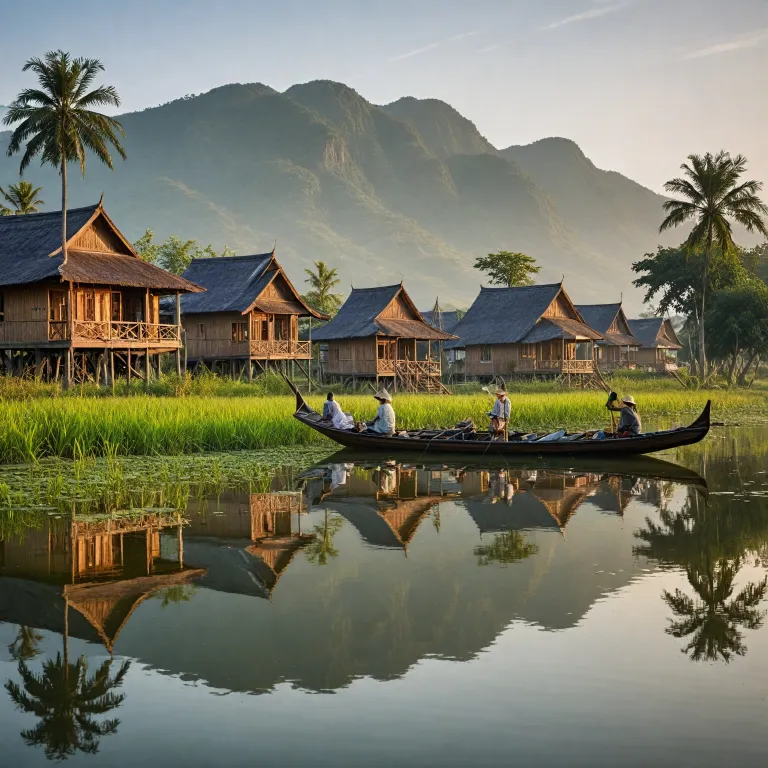
Luxury perspectives on Myanmar Inle see and its lake area
Myanmar Inle see evokes images of silver water, misty horizons, and quiet elegance. Around this lake in Myanmar, premium hotels frame the shan hills and create a refined base for immersive journeys, while still keeping the fragile lake area in focus. For travelers who read carefully before they visit, understanding the balance between luxury and conservation at Inle Lake is essential.
Inle sits in southern Shan State, a highland basin where the lake stretches across roughly 116 km² and supports many villages. The Intha people glide across the water using their distinctive leg rowing, and their floating gardens and conical nets are as iconic as any cat monastery or ancient pagoda. This living culture shapes every premium stay, because a responsible hotel in the lake area must respect local rhythms, market day patterns, and the seasonal Phaung Daw Oo festivities.
Myanmar’s Forest Department oversees conservation here, working with partners to protect the wetland sanctuary and its 59 fish species and 255 bird species. Luxury properties that operate on or near Inle Lake increasingly align with these goals, limiting boat traffic, treating water carefully, and guiding guests toward low impact experiences. When you plan a Myanmar Inle see itinerary, look for hotels that explain how they manage waste, support nearby villages, and coordinate with the Myanmar Forest Department.
Staying near Nyaung Shwe, the main gateway town, offers flexibility for day trips across Lake Inle and into the wider shan area. From here, you can arrange a private boat tour at dawn, glide past floating gardens, and continue toward remote villages that still feel far from the main tourist routes. A thoughtful hotel concierge will help you time your visit to avoid the busiest hours on the water and at each floating market.
Choosing refined stays around Nyaung Shwe and the lake inle shoreline
Most premium hotels for Myanmar Inle see are clustered around Nyaung Shwe and along the eastern lake inle shoreline. Staying in Nyaung Shwe town keeps you close to restaurants, wine from Red Mountain, and transport links to Kalaw and the wider shan hills. Lakeside resorts, by contrast, place you directly on the water, where the first light touches the floating gardens and the leg rowing silhouettes of Intha fishermen.
When comparing properties, read how each hotel manages boat access and noise on the lake area. Some luxury stays schedule shared boat tour departures to reduce traffic, while others use quieter engines to limit disturbance for birds and local villages. This matters because declining water levels and pollution already challenge Lake Myanmar, and premium tourism should not deepen the strain.
Eco conscious travelers planning Myanmar Inle see often pair Inle Lake with other sustainable retreats across Myanmar. For inspiration on refined, low impact stays beyond the shan state, you can explore this guide to Myanmar luxury eco resorts and exclusive island retreats. The same principles apply at Inle Lake, where a hotel’s energy use, water treatment, and support for local employment all shape your stay’s footprint.
Consider whether you prefer a mountain estate style setting above the water or direct access to a private jetty on Lake Inle. Elevated properties near Red Mountain offer sweeping views across the lake area and the shan hills, while lakeside suites bring you closer to the floating market routes and village life. Either way, a strong concierge team will arrange transfers from Heho airport, coordinate market day excursions, and suggest the best time of day for a peaceful boat tour.
Curating premium experiences on Myanmar Inle see: boats, markets, and festivals
A well planned Myanmar Inle see itinerary weaves refined hotel comforts with authentic time on the water. Start with a sunrise boat tour across Inle Lake, when the air is cool and the shan hills glow softly, then glide toward floating gardens where farmers anchor tomato beds with bamboo poles. Your boat will likely pass villages on stilts, where children paddle to school and market boats carry produce toward Nyaung Shwe.
Ask your hotel to arrange visits that respect local routines and avoid crowding the main floating market circuits. Some days, the floating market rotates between villages around Lake Inle, and a discreet guide will know which area feels less busy for tourists. This approach lets you appreciate the rhythm of market day without overwhelming the narrow canals or disturbing the Intha people at work.
Many travelers time their Myanmar Inle see stay to coincide with the Phaung Daw Oo Pagoda celebrations. During the Phaung Daw festival, gilded Buddha images are carried across the water on a royal barge, accompanied by traditional boat races that showcase the leg rowing technique. Hotels often design special day programs around this festival, but it is wise to book early because the lake area fills quickly with both local pilgrims and international visitors.
Between festival days, you can explore quieter corners of Lake Myanmar, including monasteries once famous for the jumping cat shows. While the original jumping cat displays have largely faded, the cat monastery remains a serene stop on many boat tours, with resident cats still wandering the teak floors. For travelers who enjoy all inclusive luxury hotel experiences across Myanmar, this detailed guide to all inclusive luxury hotel experiences in Myanmar can help you compare service styles before you book.
Wellness, hot springs, and wine: elevating your stay beyond the water
Luxury travel around Myanmar Inle see is not limited to boat rides and pagodas on the water. Many premium hotels now integrate wellness programs that draw on the region’s hot springs, herbal traditions, and cool shan hills climate. A day that begins with sunrise on Lake Inle can end with a mineral soak near Khaung Daing or a spa ritual using local botanicals.
The hot springs near Khaung Daing village sit on the western lake area and can be reached by boat or road. Some hotels arrange private transfers, combining a gentle walk through nearby villages with time at the hot springs and a sunset cruise back across Lake Myanmar. This kind of curated day balances relaxation with light activity, ideal for travelers who want to feel the shan state landscape without strenuous trekking.
Wine tasting at Red Mountain Estate adds another layer to a Myanmar Inle see itinerary. Perched above Nyaung Shwe, this mountain estate looks across the lake inle basin and the distant shan hills, offering a different perspective from the water level views. Many hotels coordinate late afternoon visits, so you can sample local wines, watch the light fade over Inle Lake, and return to your suite in time for a refined dinner.
Wellness focused properties may also offer yoga decks facing the lake, meditation sessions at quiet hours of the day, and menus that highlight fresh produce from floating gardens and nearby farms. When you read hotel descriptions, look for details about spa facilities, access to hot springs, and partnerships with local therapists. These elements can transform a simple stay near Lake Inle into a restorative retreat that still respects the cultural fabric of the shan area.
From Kalaw to the lake area: routes, seasons, and responsible choices
Many travelers approach Myanmar Inle see via Kalaw, a former hill station in the shan hills that offers cooler air and gentle trekking. Multi day walks from Kalaw to the lake area pass through rural villages, fields, and forest patches, ending with a boat transfer across Inle Lake to your chosen hotel. This route gives you a gradual introduction to the shan state landscape before you reach the water.
When planning your visit, consider the dry season, when skies are clearer and boat tours run more smoothly across Lake Myanmar. “The best time to visit Inle Lake is during the dry season from November to February, when the weather is cooler and the Phaung Daw Oo Pagoda Festival often takes place, offering cultural festivities and traditional boat races.” Hotels will help you adjust your day plans to the season, whether that means early starts to avoid midday heat or timing market day visits to coincide with cooler hours.
Responsible choices matter because environmental pressures on Myanmar Inle see have grown since tourism numbers began rising years ago. “Inle Lake faces challenges such as siltation from deforestation, pollution from agriculture and tourism, and invasive species, all contributing to its shrinking size and declining water quality.” By choosing hotels that limit plastic use, treat wastewater, and support conservation projects with the Myanmar Forest Department, you help protect both the lake and the livelihoods of local communities.
Transport decisions also shape your footprint on Lake Inle and the surrounding area. Whenever possible, share boat transfers with other guests, opt for slower itineraries that reduce fuel use, and read hotel guidelines about respectful behavior in villages. These small steps ensure that future tourists will still be able to appreciate the leg rowing fishermen, the floating gardens, and the serene water that define Myanmar Inle see.
Practical booking insights for premium hotels around Myanmar Inle see
Booking a luxury stay around Myanmar Inle see requires attention to detail, because not all premium labels reflect the same standards. Start by reading independent reviews that mention boat noise, water quality near the property, and how staff handle excursions to villages and the floating market. These comments often reveal more about daily reality on Lake Inle than polished marketing photos.
Check whether your chosen hotel is on stilts directly over the water, on the lake inle shoreline, or in Nyaung Shwe town. Over water suites offer immersive views but may involve longer boat transfers across the lake area, while town based properties give easier access to restaurants, Red Mountain, and overland routes toward Kalaw and other parts of Shan State. A balanced Myanmar Inle see itinerary sometimes combines a few nights on the water with a shorter stay on land.
For travelers exploring Myanmar beyond the shan hills, it can be helpful to compare coastal and inland luxury experiences. This detailed feature on refined coastal stays on Myanmar’s shore illustrates how service styles differ between beach resorts and lake retreats. Reading across such examples will sharpen your sense of value, inclusions, and the level of personalization you can reasonably expect at Inle Lake.
Finally, pay attention to how hotels describe their relationships with local communities and the Intha people. Properties that invest in training local staff, sourcing produce from nearby villages, and supporting cultural events such as the Phaung Daw festival tend to offer richer, more grounded experiences. When you align your booking choices with these values, your time on Myanmar Inle see becomes not only luxurious but also meaningful for the lake, the water, and the people who call this shan area home.
Key figures for Myanmar Inle see and Inle Lake
- Surface area of Inle Lake : approximately 116 km², forming Myanmar’s second largest freshwater lake.
- Average dry season depth : around 2.1 meters, with a maximum of about 3.7 meters.
- Elevation of the lake area : roughly 880 meters above sea level in southern Shan State.
- Recorded fish diversity : about 59 species within the Inlay Lake Wetland Sanctuary.
- Recorded bird diversity : around 255 species, making the lake a significant habitat for waterfowl.
- International tourist arrivals : about 100,000 visitors annually were reported some years ago.
Essential questions about Myanmar Inle see and luxury stays
What is unique about the Intha people's rowing technique?
The Intha people use a distinctive leg rowing technique where they stand on one leg at the stern of the boat and wrap the other leg around the oar to row, allowing for better visibility and free hands for fishing. This method is particularly suited to the shallow water and dense floating gardens of Inle Lake, where standing helps them navigate around obstacles. Watching this technique from a quiet boat tour is one of the defining experiences of Myanmar Inle see.
What are the main environmental challenges facing Inle Lake?
Inle Lake faces challenges such as siltation from deforestation, pollution from agriculture and tourism, and invasive species, all contributing to its shrinking size and declining water quality. These pressures affect both the lake’s biodiversity and the livelihoods of local communities who depend on fishing and floating gardens. Luxury hotels that operate responsibly around the lake area can help mitigate these impacts through careful water management and support for conservation.
When is the best time to visit Inle Lake?
The best time to visit Inle Lake is during the dry season from November to February, when the weather is cooler and the Phaung Daw Oo Pagoda Festival often takes place, offering cultural festivities and traditional boat races. During these months, boat tours are more comfortable, visibility across the shan hills is clearer, and market day excursions feel more pleasant. Premium hotels typically offer their widest range of curated activities in this period, making it ideal for a Myanmar Inle see journey.