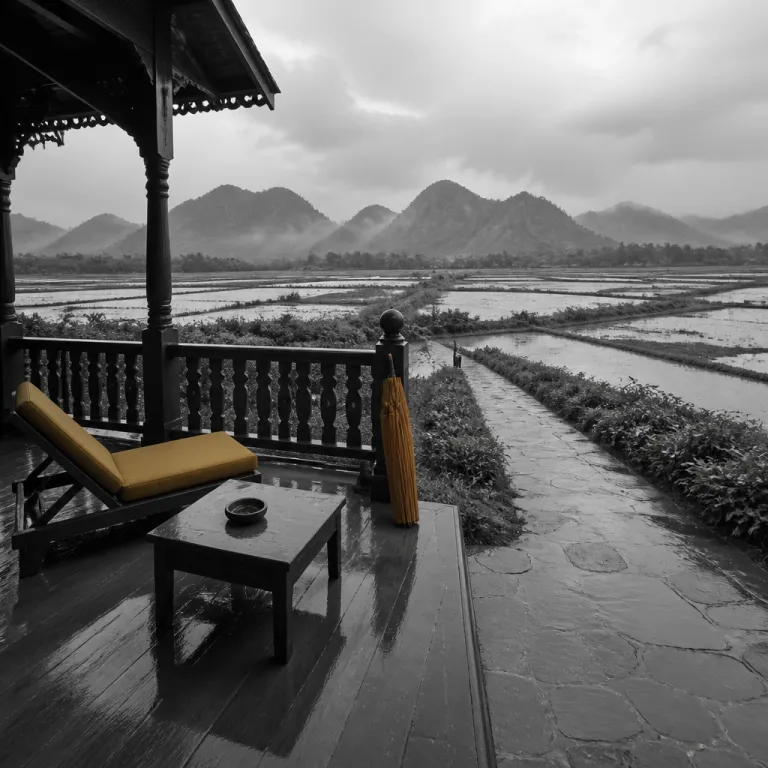
Why Myanmar’s green season changes the luxury travel equation
Myanmar green season travel feels like stepping into a parallel version of the country. When the first rains arrive in May and the green season slowly settles over Myanmar, landscapes turn vivid, tourist numbers drop by around 30 percent, and premium hotels quietly adjust their rates for travelers who understand timing. For a solo explorer used to peak season in Southeast Asia, this rainy season window can be the best time to visit Myanmar for space, service attention, and negotiating power.
Across the country, from Yangon to Mandalay and on to Bagan, the monsoon reshapes how you travel Myanmar rather than stopping your plans. Mornings are often clear, heavy showers cluster in the afternoon, and the average rainfall of about 500 millimetres per month during the green season brings a softness to the light that flatters every pagoda and every rice terrace. Myanmar Tourism Federation and local tour operators actively promote green season travel, and their message is simple and accurate : "Is it safe to travel during Myanmar's green season?" and "Are tourist sites open during the green season?".
For travelers arriving from the United States or Europe, the idea of visiting Burma in the rainy season can sound like a compromise. On the ground, Myanmar green season travel feels more like a private viewing, where each day will offer quieter temples, more time with local guides, and a calmer pace in every hotel lobby. If you are willing to shape your time visit around the weather, the green season becomes the moment when Myanmar green landscapes and its complex history, including its military past and present, sit in sharper, more honest relief.
Bagan, Mandalay and the inland triangle without the crowds
Bagan in the green season is where Myanmar green season travel truly comes into its own. With far fewer tour buses, sunrise over the plains becomes a near private ritual, and you can cycle between pagodas in cooler air, watching the brick glow against the green fields after a night of rain. This is the time when a carefully chosen luxury hotel in Bagan or Mandalay will offer 30 to 50 percent discounts, turning suites with direct pagoda views into realistic options for solo travelers.
Plan at least one long day in Bagan, using a private guide who knows how to navigate between the major temples and the smaller village shrines that most traveling Myanmar itineraries skip. A well designed season tour can link Bagan Mandalay and the lesser known archaeological zones, using the softer light of the rainy season to show you frescoes and stupas without the harsh glare of the dry months. For a deeper route that threads together Yangon Mandalay and Bagan over one week, study this detailed Yangon to Bagan insider itinerary and adapt it to your own pace and hotel preferences.
Mandalay itself feels more intimate when the green season settles over the Irrawaddy. You can time visit slots at the teak monasteries and hilltop pagodas between showers, then retreat to a riverside hotel where staff will arrange flexible transfers and last minute spa appointments. In this inland triangle of Yangon, Bagan and Mandalay, Myanmar green season travel is less about ticking off sights and more about lingering, letting each pagoda, each local teashop and each conversation with your guide will stretch into something unhurried.
Inle Lake, Shan State and Yangon’s rain polished culture
By July, Inle Lake and the wider Shan State become the visual heart of Myanmar green season travel. Rice paddies around the lake turn an electric shade of green, floating gardens swell with produce, and the stilted villages feel wrapped in mist during the first hours of the day. Luxury hotels on Inle Lake use this quieter time to offer longer stay deals, pairing lake view suites with guided canoe outings that slip into narrow channels most visitors never see.
Shan State in the rainy season rewards travelers who enjoy texture and mood rather than constant sunshine. Trails can be muddy, but short guided walks between villages are still possible, and the air feels cooler than in Yangon or Mandalay, which makes this region one of the best time options for active travelers during the green season. If you want a curated overview of sustainable, high end properties across the country, including Inle and other state capitals, the selection in this guide to sustainable luxury accommodation in Myanmar is a strong starting point.
Back in Yangon, the rainy season changes how you move but not why you visit. A day Yangon itinerary during green season might start with an early walk through colonial streets while they are still dry, continue with a long tea shop session as showers pass, and end at Shwedagon Pagoda when the wet marble reflects every layer of gold. For a refined urban base that understands both business guests from the United States and independent travelers exploring Burma, look at this detailed review of an elegant stay in Yangon, then use it as a benchmark when comparing other hotel options in the city.
How to book smart: rates, routes and green season logistics
Luxury travelers who approach Myanmar green season travel with strategy will be rewarded. With tourist arrivals dropping by roughly a third during the rainy season, high end hotels in Yangon, Bagan, Mandalay and Inle Lake quietly release promotions that can cut nightly rates by half while adding airport transfers or spa credits. Local hotels and transport services coordinate with Myanmar Tourism Federation to keep green season packages attractive, and many independent properties now work with specialist partners such as Khiri Travel to design flexible itineraries.
When you plan to travel Myanmar between May and September, think in terms of weather windows rather than fixed daily schedules. Mornings are usually the best time to be out at Shwedagon Pagoda, on a bicycle in Bagan or on a longtail boat on Inle Lake, while afternoons are ideal for spa treatments, cooking classes or private cultural briefings with your guide. Carry proper rain gear, check forecasts regularly, and remember that domestic flights generally remain reliable, although your guide will monitor any disruption and adjust your season tour accordingly.
For travelers arriving from the United States, the question is often whether to visit Myanmar at all during the green season, given the country’s political and military context. The honest answer is that you should work with travel guides and operators who are transparent about where your money goes, choose hotels that support local staff and suppliers, and keep your time visit focused on regions that remain stable and welcoming. Used thoughtfully, Myanmar green season travel can support local communities, align with eco tourism goals, and give you a quieter, more reflective relationship with a country that rewards patience and respect.
FAQ
Is it safe to travel during Myanmar’s green season for luxury stays ?
Travel during Myanmar’s green season is generally considered safe for visitors who plan carefully and stay informed. Work with reputable operators such as Khiri Travel or other established local partners, choose hotels with strong safety standards, and keep flexible buffers in your itinerary in case of weather related changes. Always check current advisories from your home country before you visit Myanmar and review recent travel guides for on the ground updates.
Are major sites like Bagan and Shwedagon Pagoda open in the rainy season ?
Most key cultural sites, including Bagan’s temple zone, Mandalay’s royal monasteries and Yangon’s Shwedagon Pagoda, remain open throughout the rainy season. Access roads can be wet and occasionally muddy, but local authorities and guides are used to operating in these conditions and will adjust timings to avoid the heaviest showers. Coastal resorts, especially along Ngapali, are the main exceptions, as many hotels there close from late May until the end of the green season.
What are the main advantages of Myanmar green season travel for high end travelers ?
The biggest advantages are space, price and atmosphere. You will find fewer tour groups at headline sites, more attentive service in luxury hotels, and room categories that might be out of reach in the dry months suddenly become accessible thanks to 30 to 50 percent discounts. The landscapes of Shan State and Inle Lake also look their most vivid during the green season, which makes this period an excellent time visit for photography and slow travel.
How should I pack and plan for the rainy season in Myanmar ?
Pack a lightweight waterproof jacket, quick drying clothing, and sandals or shoes that can handle wet streets in Yangon and muddy paths around Inle Lake. A compact umbrella, dry bags for electronics, and a spare set of clothes in your daypack will make each day more comfortable. Plan outdoor activities for early morning, keep indoor options such as spa sessions or cooking classes for the afternoon, and let your guide will adjust the schedule if storms intensify.
Which regions pair best in a one week green season itinerary ?
For a first visit Myanmar trip of about one week during the green season, combine Yangon, Bagan and Inle Lake or Mandalay, linked by short domestic flights. This triangle keeps you mostly in central Myanmar, where rainfall is more manageable than on the coast, and gives you a balance of urban culture, pagoda landscapes and lake life. Use curated itineraries and expert travel guides as a framework, then layer in your preferred hotel style and the festivals or local events that interest you most.
References
Myanmar Tourism Federation ; Ministry of Hotels and Tourism, Myanmar ; Myanmar Meteorological Department.