From marketing slogan to measurable impact in sustainable luxury hotel Myanmar
Luxury travelers are hearing the phrase sustainable luxury hotel Myanmar on almost every booking page now. The language sounds persuasive, yet only a small circle of properties on each island or around Inle Lake can show hard data on what sustainability really means in daily operations. For a solo explorer planning a resort Myanmar itinerary, the first task is separating poetic copy from verifiable commitments that actually protect jungle, beach and community livelihoods.
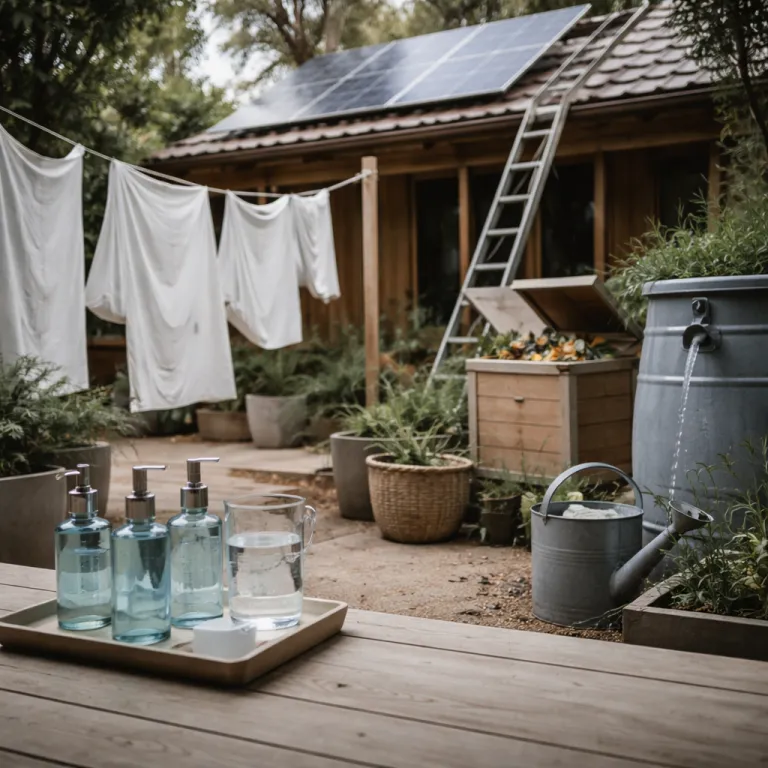
Five operational metrics make that difference clear for any claim to be a genuinely eco conscious luxury stay in Myanmar. First, energy and water systems must be transparent, with eco friendly infrastructure such as solar panels, water recycling and tented beach designs that reduce permanent impact on sand and mangroves. Second, waste and plastics management needs measurable targets, because a private island retreat in the Myeik Archipelago that ships out every bottle and can is operating very differently from an archipelago resort that quietly burns trash behind the staff gym.
Third, community economics matter more than any bamboo straw in a cocktail at a remote resort or at a chic villa Inle hideaway. Look for local hiring quotas, long term training, and contracts with Burmese farmers and fishers that keep money circulating in Myanmar rather than flowing straight offshore. Fourth, conservation contributions should be quantified, whether a resort Myanmar property funds marine patrols around a private island, supports bird watching surveys near Inle Lake, or pays for jungle reforestation above Putao.
The fifth metric is guest integration, because a truly eco conscious sustainable luxury hotel Myanmar will invite you into the process rather than hiding it behind a glossy sustainability tab. That might mean guided bird watching walks, yoga meditation sessions that explain local forest lore, or cooking classes using herbs grown on site instead of imported produce flown through Kawthaung Airport. When a property openly shares how it accommodates guests while limiting numbers on each beach, each villa and each diving excursion, you can read that as a sign of operational honesty rather than scarcity marketing.
Solo travelers can test these five metrics before committing to any bed or villa. Ask how many guests the property accommodates per night, how often supply boats run from Kawthaung jetty or Yangon, and whether paddle boarding, yoga or meditation activities are capped to protect wildlife. A credible hotel will answer in specific numbers, not vague adjectives, and will be comfortable explaining why some panoramic views or certain jungle trails remain off limits during nesting or bird watching seasons.
Wa Ale Resort in Lampi Marine National Park: where the ledger matches the lagoon
Wa Ale Resort in the Myeik Archipelago is the clearest current benchmark for a sustainable luxury hotel Myanmar experience on a private island. The property sits inside Lampi Marine National Park, and its owners signed conservation agreements long before the phrase eco conscious became a regional marketing trend. For a solo traveler arriving via Kawthaung jetty after a short transfer from Kawthaung Airport, the first impression is not the tented beach villas or the panoramic views, but the sense that the jungle and reef come first and the resort comes second.
Operationally, Wa Ale Resort uses eco friendly construction with natural materials such as reclaimed hardwoods and stone, and its tented beach villas are raised to allow sand and vegetation to move underneath. The resort Myanmar team runs solar power systems, limits generator hours, and treats water on site, which sharply reduces the number of supply runs across the archipelago. Crucially, according to the Small Luxury Hotels of the World profile updated in 2023, 20% of net profits are donated to conservation and community projects, a figure that turns the usual vague promise of giving back into a clear line item that any guest can question and understand (see “Small Luxury Hotels of the World – Wa Ale Resort profile and conservation overview,” latest update 2023).
On the ground, the experience of sustainable luxury hotel Myanmar at Wa Ale is quietly rigorous. Diving and paddle boarding are capped daily to reduce pressure on coral and seagrass, and guides are trained to combine reef watching with education about Lampi’s fragile ecosystems. Bird watching walks, yoga meditation sessions on wooden decks, and body focused treatments in the small jungle spa are scheduled around wildlife patterns rather than purely around guest convenience, which means you may wake early for the best view of hornbills instead of a late morning gym session.
Community integration is equally structured, with Burmese staff drawn from nearby fishing villages and trained for roles that go far beyond making a bed or serving drinks at the bar. Supply chains prioritize local fishers under strict no dynamite and no compressor rules, and cooking classes in the open kitchen highlight herbs and vegetables grown on the island itself. When you compare this to an archipelago style property that imports most ingredients and staff, the difference in long term impact on Myanmar’s coastal communities becomes stark.
For price conscious luxury travelers, Wa Ale Resort also challenges the assumption that eco conscious always means prohibitively expensive. Rates sit at the upper end of the resort Myanmar market, yet the value equation shifts when you factor in conservation donations, low guest density and the cost of operating inside a marine park. If you are researching how to access Myanmar hotel online discounts for luxury and premium stays, it is worth asking whether a slightly lower nightly rate elsewhere justifies a weaker commitment to Lampi’s reefs, beaches and jungle corridors.
Inle Lake’s quiet leaders: Malikha Lodge, Villa Inle and the cost of remoteness
Shift north from the Myeik Archipelago to the Shan hills and you find a different expression of sustainable luxury hotel Myanmar around Inle Lake. Here, the water is shallow, the air cooler, and the cultural fabric woven from monasteries, floating gardens and stilt villages rather than coral reefs. Properties such as Malikha Lodge in Putao and Villa Inle on the eastern shore of Inle Lake show how natural materials, low density design and local hiring can create a softer footprint without the drama of a private island setting.
Villa Inle, often referred to simply as villa Inle by repeat guests, spreads a small number of lake facing villas along the shoreline, each with a wide view across the water and the floating tomato gardens. The architecture leans on timber, stone and high roofs, with large beds and generous bathrooms that still feel rooted in Burmese design rather than anonymous global luxury. Yoga and meditation sessions are offered on decks that hover just above the water, and the property’s small gym is deliberately understated, encouraging guests to walk, paddle or join bird watching trips instead of staying indoors.
Malikha Lodge, while not on Inle Lake itself, extends the same sustainable luxury hotel Myanmar philosophy into the northern jungle near Putao. Its wooden villas are positioned for panoramic views over rivers and forest, using natural materials and local craftsmanship to keep the visual impact low. Guests here often split time between yoga meditation on open terraces, guided jungle walks, and cooking classes that introduce regional ingredients from Kachin State, creating a rhythm of body movement and cultural immersion that feels far removed from a conventional resort Myanmar itinerary. Publicly available lodge descriptions and guest reports highlight this emphasis on local materials, low density design and community employment, even if detailed sustainability metrics are not always published in full.
The hidden cost of this kind of remoteness is logistical rather than aesthetic. Every eco friendly amenity, from organic soap to the ale served at dinner, must be transported along long supply chains that start in central Myanmar and end at a jetty or airstrip. Staff rotation is slower and more expensive, yet both Villa Inle and Malikha Lodge maintain high local hiring ratios, which means more Burmese staff in leadership roles and fewer fly in managers who leave after a season. Where precise percentages are not disclosed, travelers should treat marketing language as indicative rather than definitive and ask properties directly for current figures.
For solo travelers booking online, this is where a curated platform such as a Myanmar hotel reservation guide for discerning travelers becomes useful. Instead of listing only room size and gym equipment, a serious site will explain how many villas each property operates, how it accommodates guests without overloading the lake or jungle, and whether activities like diving, paddle boarding or bird watching are managed with strict caps. When you read that a hotel uses natural materials, runs an eco conscious program and offers yoga meditation, ask how those choices affect transfer routes, staff schedules and the real cost of your panoramic views.
How to audit sustainability claims before you book a luxury stay in Myanmar
Centralized hotel groups across Myanmar often struggle to match independent lodges on sustainability, not because they lack budget, but because their systems are built for scale rather than nuance. A chain resort Myanmar property near Inle or on a southern beach may have an impressive gym, a long list of yoga classes and a polished spa menu, yet still rely on diesel generators, imported décor and short term staff contracts. Independent places like Wa Ale Resort, Malikha Lodge or villa Inle can redesign every detail, from the angle of each bed to the sourcing of every body lotion, around a single landscape.
As a solo explorer, you can use a simple framework to interrogate any sustainable luxury hotel Myanmar claim before entering your card details. Turn the five metrics into a checklist: energy and water (percentages of renewable power, on site treatment and grey water reuse); waste (how plastics, glass and food are separated, recycled or shipped out); conservation (documented projects and exact annual contributions); community (local hiring policies, training programs and long term contracts for Burmese suppliers); and guest impact (caps on visitor numbers and activities, plus clear rules for sensitive zones).
Next, read the property website with the same skepticism you would bring to a financial prospectus. Many hotels now say they are eco conscious and eco friendly, yet few publish data on how many guests they accommodate per hectare of jungle, per stretch of beach or per private island cove. A genuinely sustainable luxury hotel Myanmar should be comfortable sharing room counts, staff ratios, transfer schedules from Kawthaung Airport or Heho, and the exact share of profits directed to conservation or community projects.
For a deeper sense of place, look for content that goes beyond spa menus and panoramic views to explain how the resort Myanmar team interacts with local monasteries, markets and marine rangers. A strong example is a long form beach and luxury stays guide that maps each island, archipelago and lakefront area with cultural as well as environmental context. When a hotel or platform takes time to explain why certain jungle trails are closed, why some beach villas sit back from the shore, or why yoga meditation is scheduled at dawn to avoid disturbing bird watching zones, you are seeing operational ethics, not just marketing.
Finally, remember that your own behavior completes the sustainability equation at any sustainable luxury hotel Myanmar. Choose slower transfers where possible, pack reef safe sunscreen for diving or paddle boarding in the Myeik Archipelago, and respect guidelines on noise, drones and wildlife watching from your villa deck. When you step onto a private island, into a lakeside villa Inle suite or into a jungle lodge near Putao, the most luxurious gesture you can make is to align your body, your schedule and your expectations with the rhythms of the place rather than the demands of a generic resort timetable.
Key figures shaping sustainable luxury hospitality in Myanmar
- Wa Ale Resort allocates 20% of its net profits to conservation and community projects, a level of giving that significantly exceeds the token donations common in regional luxury hospitality (source: Small Luxury Hotels of the World, Wa Ale Resort profile, accessed 2023; see also “Small Luxury Hotels of the World – Wa Ale Resort profile and conservation overview, including profit allocation and community initiatives,” listed in the references below).
- Global wellness and hospitality research shows that new high end openings across Asia are prioritizing eco friendly design, locally sourced wellness treatments and cultural heritage protection, confirming that the sustainable luxury hotel Myanmar trend is part of a broader regional shift rather than a niche experiment (source: Global Wellness Institute, “Global Wellness Tourism Economy” and related luxury hospitality briefings, 2018–2023).
- Travel behavior data indicates that contemporary luxury travelers increasingly prefer low density, limited access environments, which aligns directly with the operating models of private island retreats in the Myeik Archipelago and small scale lakefront lodges around Inle Lake that deliberately cap how many guests they accommodate each night (source: global wellness and luxury travel trend reports from 2019 onward).
References and further reading
- Small Luxury Hotels of the World – Wa Ale Resort profile and conservation overview, including profit allocation and community initiatives (latest update 2023). This profile details the 20% net profit allocation to conservation and community projects referenced above.
- Global Wellness Institute – analysis of sustainability and wellness trends in luxury hospitality, with data on eco friendly design, wellness travel and guest preferences for low density stays. Relevant sections appear in the “Global Wellness Tourism Economy” reports and associated luxury hospitality briefings.
- Regional sustainable tourism initiatives and Myanmar based conservation organizations reporting on Lampi Marine National Park and Inle Lake, including visitor caps, habitat protection measures and community based tourism models. These sources provide useful context for understanding how individual resorts fit into wider environmental and social frameworks.