Why Inle Lake Myanmar is the most evocative highland escape
Set in the cool highlands of Shan State Myanmar, Inle Lake offers a rare blend of serene water landscapes and refined hospitality. This shallow basin in eastern Myanmar stretches across about 116 square kilometres, with soft light that flatters every reflection and turns even simple wooden boats into graceful silhouettes. Travellers who appreciate premium comfort find that the quiet rhythm of lake life pairs beautifully with the discreet service standards now common in the region’s best luxury hotels.
The Inle basin sits at roughly 880 metres above sea level, which keeps temperatures milder than in many other parts of the country. That elevation shapes the daily life of the Intha people, whose floating gardens and stilt houses form one of Asia’s most photogenic cultural landscapes. When you plan a stay around Inle Lake Myanmar, itineraries can easily combine wellness-focused resorts, private boat excursions, and curated visits to traditional villages without sacrificing comfort.
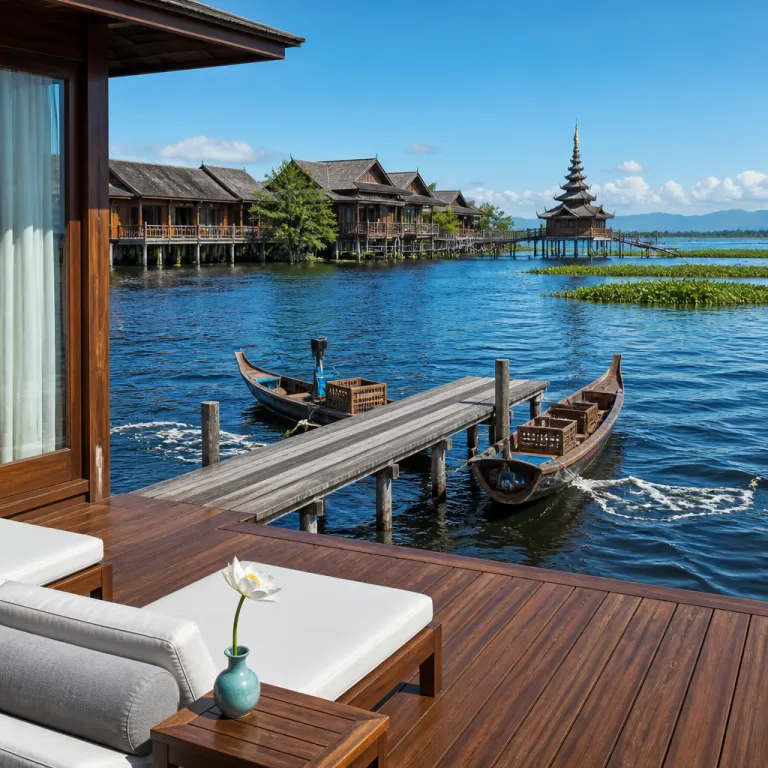
In this highland corner of Shan State, wooden stilt architecture rises directly from the water and creates a striking contrast with the open horizon. Guests often arrive by long-tail boats, gliding past floating garden plots and watching Intha fishermen practise their famous leg-rowing style. One guest described the approach as “like entering a water city at dawn,” with mist lifting off the surface as the first oars dip into the lake. The setting sun later turns the sky copper and rose, and many people say their best pictures from Myanmar trips come from these quiet sunset crossings.
Local authorities and community groups now emphasise sustainable tourism to protect both the lake and its people. In 2015, UNESCO recognised Inle as part of its global Biosphere Reserve network, highlighting the area’s ecological and cultural value, and regional tourism plans frequently describe the lake as a “highland cultural treasure” of Shan State. This focus on preservation aligns well with the expectations of luxury travellers, who increasingly look for properties that respect the environment while still offering polished service and refined design.
Planning a luxury stay around Inle Lake Myanmar
Choosing where to sleep around Inle Lake Myanmar shapes how you experience the water itself. Some premium resorts sit directly on the lake with wooden stilt villas, while others are on the shore near Nyaungshwe town for easier access to restaurants and the main market. For travellers designing a longer Myanmar journey, pairing a lakeside stay with a curated city break in Yangon or a cultural loop to Bagan creates a balanced itinerary.
If you are mapping a wider route before or after the lake, consider using a detailed Yangon to Bagan insider itinerary as a planning backbone. From there, you can add several nights at Inle Lake to enjoy cooler air, gentle water views, and a slower pace after temple or city days. Many people choose to fly into Heho Airport in Shan State (airport code HEH), then transfer by car to Nyaungshwe and continue by boat to their chosen property on the water.
When comparing luxury hotels around the lake, look closely at how each property manages access to boats and jetties. Some resorts maintain private piers where long-tail craft wait free of crowds, which is invaluable at sunrise or sunset when the light is best for pictures. Others focus on wellness, offering spacious spa suites that overlook floating gardens and quiet channels rather than the busier central area.
High-end properties also differ in how they connect guests with local people and culture. A thoughtful concierge team can arrange private visits to floating village communities, introductions to Intha fishermen, or guided walks through traditional Burmese markets on shore. The most rewarding stays balance privacy and comfort with respectful encounters, allowing you to see daily life on the lake without turning it into a performance.
How to reach Inle Lake and move elegantly on the water
Reaching Inle Lake Myanmar usually involves a domestic flight to Heho, followed by a scenic drive through rolling Shan hills. From the jetty near Nyaungshwe, slim wooden boats fitted with long-tail engines carry guests along narrow canals before emerging into the open water. This first boat ride often becomes a highlight in itself, as people pass stilt houses, floating gardens, and the first Intha fishermen balancing on one leg.
For travellers who value smooth logistics, a dedicated planning resource such as a specialised logistics guide for travel in Myanmar can remove friction from transfers. Private car services from Heho to the jetty allow you to avoid crowded buses and arrive rested, which matters after a long international journey. Once on the water, your hotel or resort will usually coordinate boats for excursions, ensuring that you travel with experienced local pilots who understand the lake’s shifting channels.
On the lake itself, movement is almost entirely by boat, and this shapes every aspect of a luxury stay. Many high-end properties include free scheduled shuttles between the resort and key points such as the main floating market or larger villages. When you book, ask whether private boats are available for sunrise photography, sunset cruises, or quiet visits to floating gardens away from the busiest routes.
Safety and comfort on the water deserve attention, especially for families or older travellers. Look for hotels that provide life jackets in multiple sizes, padded wooden seats, and blankets for cool early morning rides across the lake surface. A skilled boat driver who understands both the weather and the traditional rowing style of local fishermen will navigate respectfully around smaller craft and floating garden plots.
Signature experiences on Inle Lake for discerning guests
Life on Inle Lake Myanmar unfolds at water level, and the most memorable experiences keep you close to that surface. A private sunrise cruise often begins in near silence, with only the soft putter of the engine and the sound of water against the hull. As light grows, you may see a lone fisherman balancing on one leg, using the other to wrap around an oar in the iconic rowing style that has made the lake famous.
Many visitors ask what Inle Lake is best known for, and local guides answer clearly: “Traditional leg-rowing fishermen and floating gardens.” Watching Intha fishermen work near their floating garden plots gives context to this reputation, especially when you see how they manage nets, conical traps, and small wooden boats in shallow water. These scenes are not staged shows but part of daily life, though respectful photographers should always keep a reasonable distance and avoid blocking working boats.
Another signature experience involves visiting a floating village built entirely on wooden stilt structures above the water. Here, houses line narrow canals, and people move between homes by small boats instead of walking along streets. From your vessel, you may glimpse a young woman paddling to a neighbour’s home, children playing on a low bridge, or elders tending floating gardens that supply vegetables to the local market.
Late afternoon brings a different mood as the setting sun drops behind the Shan hills and turns the lake surface to gold. Many luxury hotels arrange sunset cruises that pause near quiet stretches of water, where silhouettes of boats and stilt houses stand out sharply against the sky. These moments often produce the most atmospheric pictures of Myanmar’s highlands, with long shadows, gentle ripples, and the faint outline of a distant wooden bridge.
Markets, villages, and cultural depth around the lake
Beyond the water itself, the villages and markets around Inle Lake Myanmar reveal the region’s cultural richness. Rotating markets move between lakeside settlements on different days, and some take the form of a floating market where traders arrive by boat and tie up alongside wooden jetties. Here you will see traditional Burmese textiles, Shan State produce, and everyday goods that local people actually buy, rather than only souvenirs.
Visiting these markets with a knowledgeable guide helps you understand how the local economy functions. Many stalls sell vegetables grown in floating gardens, which are anchored to the shallow lake bed with bamboo poles and tended from small boats. You may also notice fish being unloaded from boats crewed by Intha fishermen, who still rely on the water for their livelihood despite changing tourism patterns.
In the villages, stilt houses rise above the water on wooden foundations, creating a distinctive skyline of gabled roofs and narrow walkways. Some homes include small verandas where a young woman might sit weaving or preparing tea, while children watch passing boats from low windows. Respectful visitors should always ask before taking close-up pictures of people, especially in private spaces around homes and monasteries.
Cultural visits can also include stops at lakeside monasteries, weaving workshops, and small family-run cigar makers. These experiences offer insight into traditional Burmese crafts that have adapted to serve both local markets and visiting travellers. When arranged thoughtfully through your hotel, such visits support community-based tourism initiatives such as the Inle Heritage Foundation, which works with local partners to keep economic benefits within Shan State Myanmar.
Choosing the right luxury hotel style for your Inle stay
Luxury accommodation around Inle Lake Myanmar falls broadly into two categories: over-water retreats and shore-based hideaways. Over-water properties place villas or suites on wooden stilt structures directly above the lake, giving you immediate access to boats and uninterrupted water views. Shore-based hotels near Nyaungshwe or along the lake’s edge offer easier access to land-based restaurants, cycling routes, and nearby villages.
When comparing options, consider how you plan to balance relaxation with exploration on the lake. If you value spa time, poolside lounging, and quiet evenings, a secluded over-water resort with spacious decks facing the setting sun may suit you best. Travellers who prefer to dine out, visit multiple markets, and explore different villages might appreciate a shore property with quick road access as well as boat connections.
Some travellers choose to combine both styles by splitting their stay between a lakeside resort and a city hotel in Yangon. For the urban portion, a polished address such as the Mercure Yangon Kaba Aye offers international service standards before or after your time at Inle Lake. This pairing allows you to enjoy both the cultural energy of Myanmar’s largest city and the tranquil water-based life of Shan State without compromising on comfort.
Whichever style you choose, pay attention to how each property engages with the lake and its people. The most responsible hotels support local staff, partner with community-based tourism organisations, and encourage guests to respect customs such as modest dress in villages and temples. Many also reduce plastic use, treat wastewater carefully, and help protect the fragile ecology that makes Inle Lake Myanmar such a compelling destination.
Responsible luxury: protecting Inle Lake while enjoying it
High-end travellers to Inle Lake Myanmar increasingly look for ways to enjoy the lake’s beauty without harming its delicate ecosystem. The water is shallow, averaging about two metres in depth, which makes it especially vulnerable to pollution and changes in levels. Responsible hotels now invest in better waste management, eco-friendly cleaning products, and careful boat operations to reduce their impact on the environment.
As a guest, you can support these efforts through simple choices that still align with a premium experience. Hiring local guides and boat operators not only enriches your understanding of Intha and Shan culture but also keeps tourism income within nearby communities. Using refillable water bottles, declining unnecessary plastic packaging, and choosing properties that treat wastewater properly all help preserve the clarity of the lake surface.
Respect for local customs also forms part of responsible luxury around Myanmar’s highland lakes. When visiting a floating village, dress modestly, remove shoes in monasteries, and ask before photographing people, especially elders or a young woman in traditional dress. On the water, encourage your boat driver to keep a respectful distance from working Intha fishermen and floating garden plots, so that tourism does not disrupt daily livelihoods.
Many community-based tourism projects around Shan State Myanmar now offer curated experiences that align well with high-end expectations. These might include guided walks through villages on raised paths, visits to schools supported by tourism funds, or small-group cooking classes in stilt houses. By choosing such experiences through your hotel concierge, you help ensure that Inle Lake Myanmar remains both a cultural and ecological treasure for future travellers.
Key figures and practical statistics about Inle Lake
- The surface area of Inle Lake is approximately 44.9 square miles, or about 116 square kilometres, according to data cited by Myanmar’s Ministry of Natural Resources and Environmental Conservation, which makes it one of the largest highland lakes in the country.
- The lake sits at an elevation of roughly 2,900 feet, or about 880 metres above sea level, giving Inle a cooler climate than many lowland regions and making it attractive for travellers seeking relief from tropical heat.
- The average depth of the lake is around 7 feet, or just over 2 metres, which explains why floating gardens and stilt houses can be anchored with relatively short bamboo poles.
- Tourism authorities describe the destination as suitable for visits in all seasons, with the coolest and most comfortable period for many travellers falling between November and February.
- Regional planners highlight increased eco-tourism and community-based tourism growth around the lake, indicating a shift toward models that aim to preserve traditional lifestyles while supporting local economies.
Frequently asked questions about Inle Lake Myanmar
What is Inle Lake known for among travelers ?
Inle Lake is best known for its traditional leg-rowing fishermen, who stand on one leg while wrapping the other around an oar, and for its extensive floating gardens anchored in the shallow water. Visitors also associate the lake with stilt house villages, rotating markets, and serene sunrise and sunset boat rides. These elements combine to create one of the most distinctive cultural landscapes in Shan State Myanmar.
When is the best time to visit Inle Lake for a luxury stay ?
The most comfortable period for a luxury stay at Inle Lake Myanmar usually runs from November to February, when temperatures are cooler and humidity is lower. During these months, early morning boat rides and evening sunset cruises are especially pleasant, and visibility for photography is often excellent. High season demand can raise room rates, so advance booking is advisable for premium hotels.
Are there luxury accommodations directly on the lake ?
Yes, several high-end properties place villas or suites on wooden stilt structures directly above the water, offering immediate access to boats and uninterrupted lake views. Guests typically arrive by long-tail boat and enjoy services such as private jetties, spa facilities, and curated excursions to floating gardens and villages. Shore-based luxury hotels near Nyaungshwe provide an alternative for travellers who prefer easier access to land-based restaurants and cycling routes.
How do you get to Inle Lake from major Myanmar cities ?
Most travellers reach Inle Lake by flying from Yangon or Mandalay to Heho Airport, then continuing by private car to Nyaungshwe and transferring to a boat for the final approach. The combined journey usually takes several hours, depending on flight schedules and road conditions, but offers scenic views of Shan hills and rural villages. Some visitors also include Inle Lake as part of a broader circuit linking Yangon, Bagan, Mandalay, and Shan State.
Is Inle Lake suitable for families and older travelers ?
Inle Lake can be very comfortable for families and older travellers when logistics are planned carefully and the right hotel is chosen. Properties that provide stable jetties, well-maintained boats with life jackets, and flexible excursion schedules make it easier to enjoy the lake at a relaxed pace. Many luxury hotels also offer spacious rooms, on-site dining, and gentle cultural activities that suit a wide range of ages.