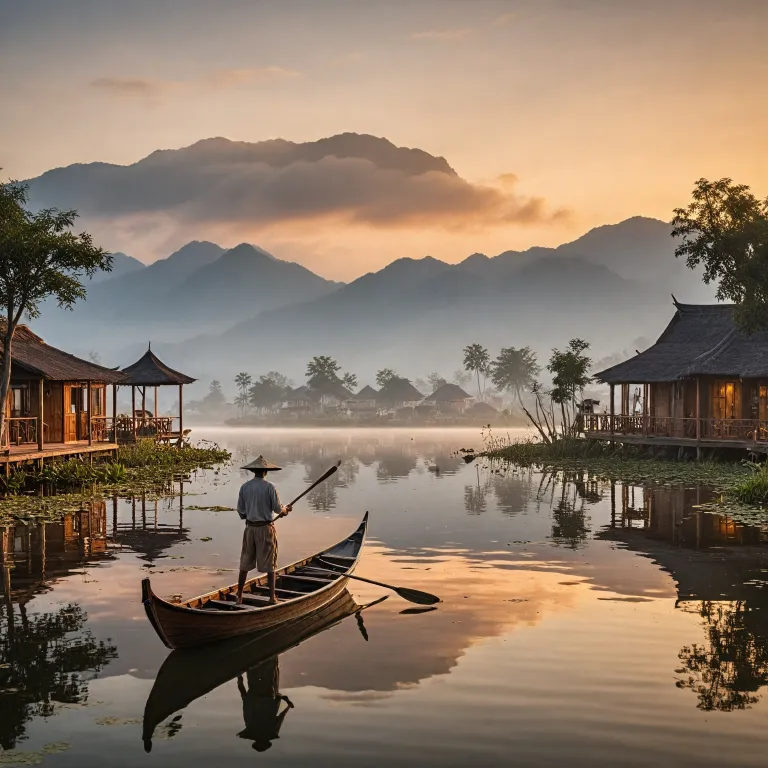
Luxury perspectives on birmanie lac inle for discerning travelers
Planning a refined escape to birmanie lac inle begins with understanding its character as both lake and living cultural landscape. In the heart of Shan State in Myanmar, this serene lac stretches across about 116 km², framed by soft hills and misty mornings that feel made for slow travel. For guests choosing premium hotels, the setting of Inle Lake and the surrounding villages matters as much as the room itself.
In this region of Burma, the Intha people have shaped the commons of water and wetlands for generations, creating floating gardens and lac inle villages that seem to glide on the surface. Their leg rowing on Inle Lake, using one leg wrapped around the oar, is not performance but daily life, and thoughtful tourism should respect that rhythm. When you book a luxury stay on or near the lake, consider how the property engages with Intha culture, supports local employment, and protects the fragile aquatic ecosystems.
High end hotels around birmanie lac inle increasingly highlight quality experiences rather than quantity of activities, which suits travelers seeking calm. Many curate private boat excursions across the lake and into smaller inle canals, where floating gardens and garden agriculture reveal how food and tourism intersect. As you compare properties in Shan State, look for transparent sustainability policies, clear links with local artisans, and meaningful contributions to conservation initiatives led by the Myanmar Forest Department.
Choosing a premium hotel around inle lake with purpose
Selecting a luxury hotel around birmanie lac inle is less about opulence and more about thoughtful alignment with place. The finest properties in Shan State balance elegant design with low impact operations, using local materials and traditional rooflines that echo lakeside village architecture. When you evaluate options, examine how each hotel manages water, energy, and waste in a region where the lake’s depth can change by about 1.5 m between dry and rainy seasons.
Location on or near Inle Lake shapes your daily experience, from sunrise boat departures to evening views over floating gardens. Some premium hotels sit directly on the lac, while others are set back in agricultural areas where garden agriculture and rice fields dominate the landscape. In both cases, ask how the property coordinates with Intha boat drivers, supports local guides, and limits noise on the water, especially in narrower inle canals.
For travelers combining Yangon and birmanie lac inle, a detailed Rangoon map for luxury hotel stays can help structure transfers and flight timings. Once in Shan State, many hotels arrange private car services from Nyaungshwe Township to the jetty, then onward by boat across the lake. This seamless approach allows you to focus on the quality of light over Inle Lake, the quiet movement of floating gardens, and the refined comforts of your room rather than logistics.
Balancing exclusivity and responsibility at birmanie lac inle
One of the deepest subjects for luxury travel at birmanie lac inle is how to balance exclusivity with responsibility. Inle Lake is Myanmar’s second largest freshwater lake, yet its open water area has decreased by more than 30 %, partly due to siltation and expansion of floating gardens. Premium hotels and their guests now play a visible role in shaping the future of this lac and its surrounding wetlands.
Environmental concerns include habitat loss due to floating garden agriculture, deforestation leading to siltation, and pollution from increased tourism. This statement, drawn from regional assessments, underlines why discerning travelers should look beyond room size and spa menus when choosing a property in Shan State. Ask hotels how they manage boat traffic on Inle Lake, whether they support reforestation in the wider shan state watershed, and how they treat wastewater before it returns to the lake.
Many high end properties around birmanie lac inle now collaborate with conservation partners and local communities to protect the commons. Some sponsor clean up initiatives on the lac, others fund training for Intha guides in sustainable tourism, while a few commission fine art inspired by the lake to raise awareness. If you are also exploring coastal Burma, you may appreciate how these values echo those highlighted in Mergui luxury journeys, where fragile marine ecosystems face similar pressures.
Immersive experiences on the lake, from floating gardens to local art
Staying at a luxury hotel near Inle Lake offers more than a view ; it opens access to immersive experiences shaped by water, agriculture, and art. Early morning boat excursions glide past floating gardens where Intha farmers anchor their plots with bamboo poles, creating a patchwork of green across the lac. These floating gardens and garden agriculture systems are ingenious, yet they also contribute to the gradual narrowing of open water in this part of Myanmar.
Thoughtful hotels curate small group or private visits that explain both the benefits and challenges of floating gardens on the lake. Guides from local villages can show how tomatoes and other crops grow on these platforms, while also discussing how tourism and agricultural expansion intersect. When arranged with care, such visits help guests understand why Inle Lake is both a cultural treasure and an ecological concern for Shan State authorities.
Many premium properties also highlight local art, from traditional weaving to contemporary fine art inspired by the lac inle landscape. Curated galleries within hotels may feature works by Intha artists whose lives are intertwined with the lake and its floating gardens. By purchasing directly from these exhibitions, guests strengthen links between tourism, village livelihoods, and the preservation of intangible heritage in this corner of Burma.
Digital journeys, hotel platforms, and the future of birmanie lac inle
Behind every serene stay at birmanie lac inle lies a digital journey through hotel booking platforms and curated content. Luxury and premium hotel websites in Myanmar increasingly act as gateways to the lake, shaping expectations long before guests see the first floating garden. The most refined platforms combine high quality photography of Inle Lake with transparent information about sustainability, local partnerships, and cultural etiquette.
For travelers comparing properties across Shan State, a well designed booking website can clarify how each hotel relates to the lake and its villages. Look for detailed maps showing distances to Nyaungshwe, the main inle jetties, and key cultural sites, as well as clear descriptions of boat transfer times. Articles on topics such as innovative architecture in Myanmar’s luxury hotel platforms can also reveal how design choices reflect respect for the lac inle environment.
Some hotel groups quietly act as advertise developers of responsible tourism, using their online presence to highlight conservation projects and local art initiatives. When a website presents Inle Lake not only as a scenic backdrop but as a living commons shared by Intha communities, it signals deeper engagement. As you navigate these digital spaces, prioritize platforms that show real links to local partners, clear explanations of floating gardens and garden agriculture, and honest discussion of environmental challenges facing this unique lake in Burma.
Practical guidance for an elegant and ethical stay on inle lake
Transforming inspiration into a concrete itinerary at birmanie lac inle requires a few practical steps. First, decide whether you prefer a hotel directly on the lake, accessible only by boat, or a property on the shore near Nyaungshwe in Shan State. Lakeside stays offer immediate access to floating gardens and sunrise views, while shore based hotels can provide easier links to overland excursions and local markets.
When booking, review how each property structures its rates for boat transfers, guided tours, and cultural experiences on Inle Lake. Transparent pricing and clear information about group sizes indicate respect for both guests and local communities sharing the lac. You may also wish to ask whether the hotel supports village schools, art workshops, or agricultural training that helps Intha families adapt to changing conditions on the lake.
Finally, consider your own role in protecting this part of Myanmar and Burma’s wider heritage. Pack light to reduce fuel use on boats, choose environmentally friendly products, and follow guidance on respectful behavior in temples and villages around lac inle. By aligning your choices with hotels that value quality over volume, you help ensure that the floating gardens, fine art traditions, and delicate ecosystems of Inle Lake remain intact for future travelers and for the people who call this lake home.
Key figures about inle lake and its environment
- Surface area of Inle Lake is approximately 116 km², forming a major freshwater body in Shan State.
- The lake sits at an elevation of about 880 m above sea level in eastern Myanmar.
- Average depth during the dry season is around 2.1 m, with a maximum depth near 3.7 m.
- Water depth can increase by roughly 1.5 m during the rainy season, affecting navigation and floating gardens.
- Researchers have identified about 35 native fish species in the lake, including 17 endemic species.
- There are around 45 freshwater snail species recorded, with 30 considered endemic to the Inle Lake area.
- Open water area of the lake has decreased by about 32.4 % over several decades, highlighting environmental pressures.
- During the cool season, up to 20 000 migratory gulls may gather on and around the lake.
Essential questions about birmanie lac inle for travelers
What is the significance of Inle Lake?
What is the significance of Inle Lake? Inle Lake is Myanmar's second-largest freshwater lake, known for its unique ecosystem and the traditional practices of the Intha people. For travelers, this means every premium hotel stay unfolds within a living cultural landscape where leg rowing fishermen, floating gardens, and lakeside monasteries form part of daily life rather than staged attractions.
What are the main environmental concerns for Inle Lake?
What are the main environmental concerns for Inle Lake? Environmental concerns include habitat loss due to floating garden agriculture, deforestation leading to siltation, and pollution from increased tourism. Guests choosing luxury hotels around birmanie lac inle can respond by favoring properties that limit boat traffic, support watershed reforestation, and invest in modern wastewater treatment to protect the lake.
What cultural practices are unique to the Intha people?
What cultural practices are unique to the Intha people? The Intha people are renowned for their leg-rowing technique and floating garden agriculture. When staying at high end hotels on or near Inle Lake, travelers can respectfully observe these practices on guided boat trips, visit lakeside workshops, and support local artisans whose livelihoods are closely tied to the rhythms of the lac and its villages.