Smart luxury journeys in Myanmar’s evolving hotel landscape
Myanmar’s premium hotels are quietly embracing smart technology to refine every stage of your stay. From Yangon’s riverfront towers to secluded sanctuaries in Bagan, connected systems now shape how you search, book, and sleep. This shift turns a simple reservation into a tailored journey that anticipates needs before you even arrive.
When travellers hear about a steady stream of innovation, they are really sensing a flow of incremental upgrades behind the scenes. In Myanmar, that means faster booking engines, more accurate room availability, and real time rate transparency across luxury properties. For guests, the result is less time comparing tabs and more time planning meaningful experiences around temples, lakes, and coastal retreats.
Smart hotel technology in Myanmar’s high end segment focuses on subtlety rather than spectacle. Systems manage energy use, digital keys, and guest profiles without intruding on the calm atmosphere that luxury travellers expect. You feel the impact in the seamless check in, the perfectly cooled room, and the way staff already know your preferences.
From booking engine to suite door: how smart tools shape your stay
The journey usually begins on a luxury hotel booking platform in Myanmar, where intelligent search filters now do the heavy lifting. Instead of scrolling endlessly, you can refine options by river views, spa facilities, or proximity to heritage districts in just a few clicks. Behind that smooth interface, upgraded reservation software aligns live inventory, promotions, and loyalty benefits.
On advanced platforms such as Myanmar hotel elegance for discerning stays, algorithms learn from previous choices to surface more relevant properties. If you often select suites with club lounge access in Yangon, the system will highlight similar premium floors in Mandalay or Nay Pyi Taw. This is where ongoing digital improvements become tangible, turning anonymous browsing into a recognisably personal experience.
Once you confirm a reservation, automation continues to refine each step until you reach your suite door. Pre arrival emails can offer airport transfer options, pillow menus, or early check in slots, all managed through integrated systems. By the time you arrive, the hotel’s internal guest management tools have already synchronised key details with front office, housekeeping, and concierge teams.
In room intelligence: comfort, control, and quiet luxury
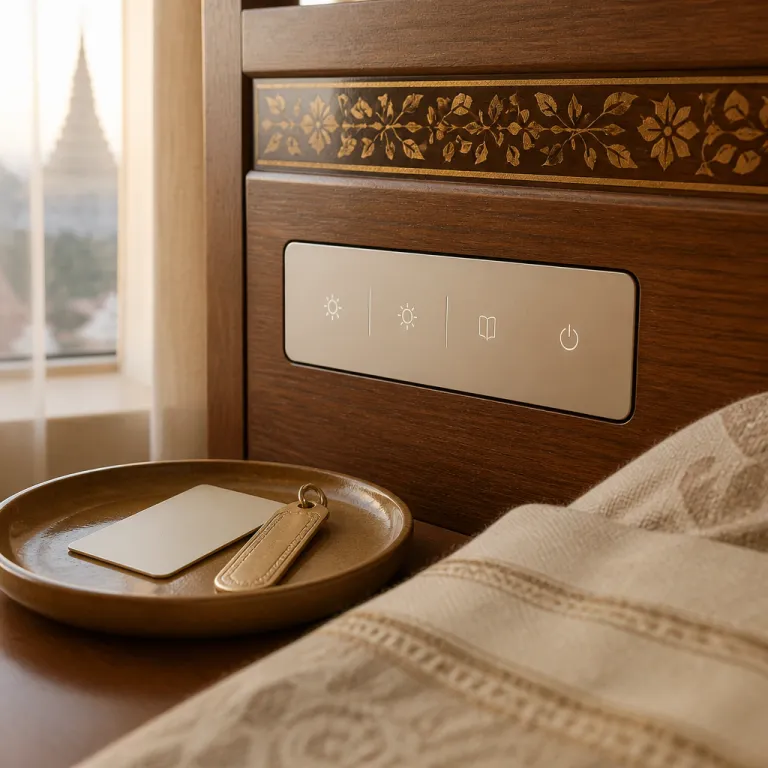
Inside Myanmar’s luxury rooms, smart technology aims to enhance comfort without overwhelming you with screens. Many high end properties now use keyless entry via mobile apps, allowing you to bypass the front desk entirely. Once inside, centralised tablets or discreet wall panels let you adjust lighting, curtains, and temperature with a few taps.
At lakeside retreats such as those featured in the guide to serene stays on Inle Lake, connected sensors help maintain ideal conditions in overwater villas. These systems balance humidity, airflow, and energy use while preserving the region’s fragile ecosystem. Here again, a steady flow of data moves from sensors to management dashboards, ensuring comfort and sustainability coexist.
Voice controlled assistants are appearing in some suites, though Myanmar’s luxury segment often prefers more understated interfaces. Guests can request extra towels, schedule turndown service, or book a spa treatment directly from in room devices. The technology fades into the background, yet continuous information sharing between systems and staff keeps the team one step ahead of your needs.
Behind the scenes: sustainability, staffing, and data ethics
Smart hotel technology in Myanmar is not only about guest facing convenience; it also reshapes operations behind closed doors. Energy management systems dim corridor lighting, optimise chiller loads, and track water consumption in real time. For properties along Ngapali Beach or in heritage zones, this precision reduces environmental impact while protecting operating margins.
Housekeeping teams now rely on live occupancy data to prioritise rooms, cutting unnecessary entries and saving labour hours. When a guest checks out via mobile, the system instantly alerts cleaning staff and maintenance, triggering a tightly choreographed sequence of tasks. This orchestration shortens room turnaround times, which matters during peak seasons in Yangon and Bagan.
Data ethics has become a central concern as hotels collect more information about guest behaviour. Responsible operators in Myanmar limit data retention, anonymise usage patterns, and avoid intrusive profiling. The most trusted brands treat their technology stack as a tool for service, not surveillance.
Choosing the right smart luxury stay in Myanmar
For travellers comparing high end properties, understanding each hotel’s approach to technology can refine your choice. Some Yangon landmarks emphasise grand public spaces and traditional service, with only subtle digital enhancements in the background. Others lean into a more connected experience, offering app based check in, digital concierge services, and integrated room controls.
When evaluating options on a premium Myanmar hotel booking site, look beyond glossy photos. Study amenity lists for terms such as mobile key, smart TV casting, or in room tablet controls, which signal a mature approach to digital innovation. Reviews that mention fast Wi Fi, responsive maintenance, and efficient check in often reflect strong back end systems as much as front line staff.
Travellers who value privacy may prefer properties where technology is present but discreet. Those who enjoy experimenting with new tools might choose hotels that showcase their digital capabilities more openly. Either way, aligning your expectations with each property’s technological philosophy will help ensure a harmonious stay.
Smart luxury, eco values, and the future of Myanmar stays
Myanmar’s most forward looking luxury hotels are pairing smart systems with strong sustainability commitments. Solar assisted power, greywater recycling, and intelligent climate control now work together to reduce resource use without compromising comfort. On platforms that highlight luxury eco resorts and exclusive island retreats, you can already see how technology supports low impact travel.
Guests increasingly expect their data and their environmental footprint to be handled with equal care. A well managed programme of incremental enhancements allows hotels to refine both dimensions simultaneously, from smart metering to encrypted guest profiles. This dual focus strengthens trust, especially among international travellers who prioritise responsible tourism.
As Myanmar’s tourism infrastructure matures, smart hotel technology will likely become a quiet standard rather than a headline feature. The most memorable stays will still be defined by attentive staff, authentic local experiences, and a sense of place. Technology’s role is to clear away friction so those human moments can take centre stage.
Key statistics on smart hotel technology in luxury Myanmar stays
- Industry commentary from the Myanmar Tourism Federation on urban hospitality trends notes that average daily rates in upscale and luxury hotels in Yangon have risen in recent years, reflecting both rising demand and investment in upgraded facilities, including smart systems.
- Analysis by the International Energy Agency on smart buildings indicates that digital building technologies can reduce energy consumption in hospitality properties by around 10 to 20 percent, a range that many Myanmar hotels now target as they install intelligent HVAC and lighting controls.
- Global surveys by McKinsey & Company on digital adoption in travel suggest that a clear majority of high income travellers prefer properties offering digital check in and mobile keys, a trend that is directly influencing capital expenditure decisions in Myanmar’s premium segment.
- Research from the World Travel & Tourism Council on sustainable hotel operations highlights that hotels implementing advanced energy management and water saving technologies can significantly cut utility costs, freeing budget for service enhancements in markets such as Yangon, Mandalay, and coastal resort areas.
FAQ about smart luxury hotel booking in Myanmar
How common is smart hotel technology in Myanmar’s luxury segment ?
Smart technology is increasingly common in top tier properties in Yangon, Mandalay, Bagan, and key resort areas. While not every luxury hotel offers full in room automation, many now provide high speed Wi Fi, digital keys, and integrated booking systems. The trend is strongest in newly built or recently renovated properties.
Can I use my phone as a room key in Myanmar hotels ?
Several international branded hotels and a growing number of independent luxury properties in Myanmar support mobile key access. Availability varies by hotel, so it is wise to check the amenities section on the booking page. When offered, you usually need to download the hotel’s app and register before arrival.
Are smart systems in Myanmar hotels secure for my personal data ?
Reputable luxury hotels in Myanmar follow international standards for data protection, including encryption and limited access to guest information. They typically collect only what is necessary to manage reservations and personalise service. If you have concerns, you can ask the property directly about its privacy and data retention policies.
Does smart technology increase room rates in luxury hotels ?
While installing advanced systems requires investment, smart technology often helps hotels reduce operating costs over time. Savings from energy management and efficient staffing can offset initial expenses, keeping rates competitive. In many cases, technology improves value rather than simply pushing prices higher.
How can I identify tech forward luxury hotels when booking online ?
Look for mentions of mobile check in, digital keys, in room tablets, and smart TV casting in the hotel description. Guest reviews that praise fast Wi Fi, quick maintenance responses, and smooth check in processes also signal strong technology infrastructure. Comparing these details across several properties will help you find the most tech forward option for your stay.