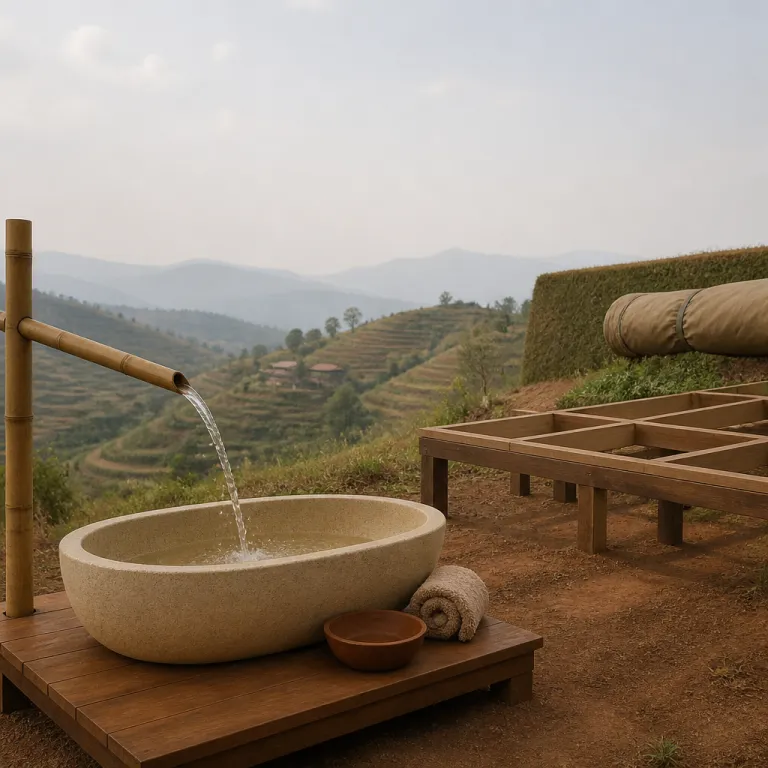
Chin Hills Myanmar sustainable travel and the future of luxury
The Chin Hills sit in western Myanmar, a high mountain spine running along the border with India. For travelers used to polished suites in Yangon or lakefront villas in Shan State, this northern frontier feels like another land entirely, where altitude, climate and culture shape every journey. Understanding how chin hills myanmar sustainable travel might evolve here is essential if you care about where luxury tourism goes next.
This is Chin State, officially administered by the Chin State Government yet still referred to by many as Chinland, a reminder of strong identity and long standing human rights concerns. The state people are mostly Christian ethnic Chin, and their villages cling to sloping agricultural land that has been terraced over generations to adapt to the steep hills and fragile soils. Any future premium lodge or eco friendly retreat will need to respect not only the environmental limits of this land but also the rights and expectations of local people who have seen outsiders come and go.
Luxury travelers often ask whether such a remote state in northern Burma can ever host high end stays without losing its soul. The answer lies in redefining luxury around time, access and relationship rather than marble bathrooms, and in accepting that chin hills myanmar sustainable travel must remain small scale by design. If you are browsing a Myanmar hotel booking website today, you will not find a five star property in Hakha or Falam, but you can already start planning how to engage responsibly when the first eco friendly lodges eventually open.
From Nat Taung to northern Chin villages: a different idea of comfort
Most maps still label the region’s highest summit as Mount Victoria, yet among Chin national communities the mountain is known as Nat Taung and revered as a living presence. Rising to 3,053 meters, it anchors an important national park that shelters 159 recorded bird species and rare orchids, making it a natural focus for chin hills myanmar sustainable travel. Any future luxury camp here will need to feel more like a discreet mountain refuge than a resort, with low impact architecture that sits lightly on the ridgelines.
In northern Chin, around towns such as Hakha and Falam, the climate is cool and misty, with winter nights that demand thick blankets rather than air conditioning. You will currently find only basic guesthouses and community based homestays, yet the hospitality is generous and the connection with local people is immediate. For a solo explorer used to serene lake retreats in Shan State, such as those described in our guide to Inle Burma serene lake retreats and hidden luxury in Shan State, the contrast is striking but deeply rewarding.
Here, comfort comes from a well brewed cup of mountain tea shared beside a wood fire, or from a guided walk through agricultural land where elders explain how sloping agricultural terraces protect the soil. You might hear about traditional land technology used to manage water, or about how environmental changes are already affecting agriculture and forest cover. These conversations, more than thread count, define what high value experience means in this state of Myanmar, and they will shape how future premium operators design their itineraries.
Southern Chin, community based stays and the quiet power of limits
Travel south from Hakha toward Mindat and Kanpetlet, and the hills soften into a patchwork of pine forest, millet fields and deep valleys. Southern Chin feels more open than the northern Chin ranges, yet the roads remain narrow and slow, which naturally limits visitor numbers and keeps the rhythm of life close to the land. For chin hills myanmar sustainable travel, those limits are not a problem to be solved but a protective frame for both culture and environment.
Community based tourism projects around Nat Taung already offer simple homestays, guided treks and textile workshops run by local people. These initiatives show how state local communities can earn income while retaining control over their agricultural land, forest resources and cultural narratives. When you compare this to coastal regions where large resorts dominate, such as the Bay of Bengal where we explore seasonal rhythms in our feature on Ngapali in the off season, the Chin Hills model feels intentionally modest yet quietly ambitious.
For a luxury traveler, the lesson is clear ; future high end stays in state Chin should plug into existing community based structures rather than replace them. A well designed lodge might act as a hub for local guides, weavers and farmers, channeling bookings and training while keeping ownership dispersed among state people. In this way, the most exclusive experience in Chinland will not be a private pool but a rare chance to participate in a living mountain culture that has chosen its own pace of change.
Politics, rights and why remoteness demands patience
No serious conversation about chin hills myanmar sustainable travel can ignore politics, because this land has long been shaped by contested authority. Chin State sits at the edge of national power, where the state government, the central government and various Chin national movements, including the Chin National Front, have all influenced daily life. Human rights concerns, from cultural rights to questions of representation, mean that any tourism development must be handled with unusual care.
For travelers, this translates into a need for patience and humility when engaging with state local structures and regulations. Permits are often required for certain areas, and you should expect that the Chin State Government and other authorities will adjust rules as conditions change. As one official guidance document puts it plainly, "Obtain necessary permits. Prepare for rugged terrain. Respect local customs."
Remoteness also means that technology and infrastructure arrive slowly, whether we are talking about mobile coverage or something as specific as technology for salt processing in remote villages. Where land technology for mapping and planning is limited, and where sloping agricultural plots dominate, large scale construction can easily trigger landslides or water shortages. Responsible operators will therefore work closely with local tour operators, state people and environmental experts to ensure that any new road, trail or lodge in the hills Chin area strengthens resilience rather than undermining it.
How luxury travelers can engage now, before the first five star opens
Even though there is no classic luxury infrastructure in Chin State yet, your choices today still influence how chin hills myanmar sustainable travel will look tomorrow. The most impactful step is to work with local tour operators who already collaborate with village leaders, women’s weaving groups and youth guides. These partners understand both the expectations of high end guests and the limits set by local people, and they can advise on where your presence is genuinely welcome.
When planning a wider Myanmar itinerary, consider pairing a future Chin journey with established luxury circuits in Bagan, Mandalay or Inle Lake, using our refined traveler’s guide to the Bagan and Mandalay region as a starting point. This approach allows you to enjoy full service comfort in central Myanmar while keeping your time in Chinland intentionally simple and low impact. It also sends a clear signal to national and state government actors that there is demand for thoughtful, environmentally sensitive stays rather than mass tourism.
As Myanmar’s tourism sector grows, international hotel brands and investors will eventually look toward the Chin Hills, attracted by the cool climate, national park landscapes and the narrative of untouched northern Burma. The question is whether they will work with the Chin State Government, the Chin National Front and community based groups to protect agricultural land, forests and human rights, or whether they will push for rapid expansion. As a discerning traveler, your willingness to ask hard questions about land technology, environmental safeguards and benefit sharing will help ensure that when the first luxury lodge finally opens in this mountain state, it feels like a respectful guest rather than an occupying force.
FAQ
When is the best time to visit the Chin Hills for trekking ?
The most comfortable period for trekking in the Chin Hills runs from November to February, when the climate is cool, skies are generally clear and trails are less muddy. During these months, mountain views around Nat Taung and other peaks are at their best, and village paths are easier to navigate. Outside this window, heavy rain can make sloping agricultural tracks slippery and road access more challenging.
Are there any luxury hotels currently operating in Chin State ?
There are no conventional luxury hotels in Chin State yet, and travelers should expect simple guesthouses or community based homestays. Rooms usually offer basic bedding, shared bathrooms and limited electricity, reflecting the region’s infrastructure constraints. For now, the luxury lies in access to remote landscapes, local people and cultural experiences rather than in high end facilities.
Do I need a permit to travel in the Chin Hills ?
Certain areas of the Chin Hills require permits, especially zones near the border or sensitive mountain regions. Regulations can change, so it is wise to check with reputable local tour operators or directly with the Chin State Government before finalizing plans. They can advise on current rules, help secure documents and ensure that your route respects both security and environmental considerations.
How can I travel responsibly in such a remote part of Myanmar ?
Responsible travel in this state begins with choosing community based experiences that channel income directly to village households. You should minimize waste, carry out non biodegradable trash, use water sparingly and follow local customs around dress and photography. Working with guides from the hills Chin communities ensures that your presence supports cultural preservation, environmental protection and fair economic opportunities.
What kind of traveler is best suited to a future Chin Hills journey ?
A Chin Hills trip suits independent travelers who value cultural immersion, mountain landscapes and thoughtful engagement over conventional luxury. You need to be comfortable with basic accommodation, variable climate and long road journeys through northern and southern Chin townships. If you already appreciate slow travel in other parts of Myanmar, this remote land will feel like a natural, if more demanding, next step.