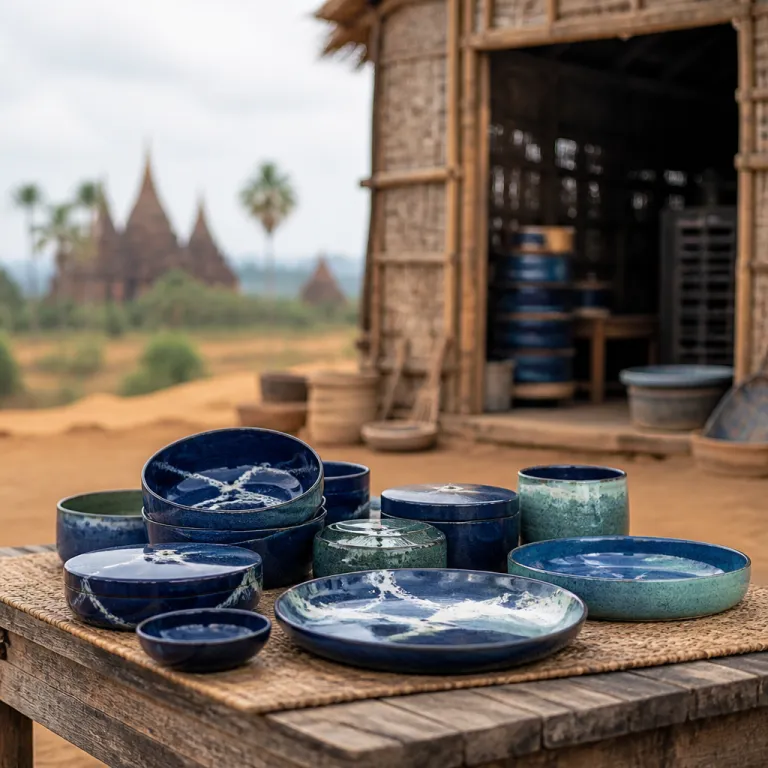
Why a Bagan lacquerware village artisan visit belongs on every luxury itinerary
In Bagan, temple spires dominate the skyline, yet real intimacy with the country begins in the lacquerware villages. A carefully planned Bagan lacquerware village artisan visit turns a standard trip to Myanmar into a textured journey where your family moves from spectator to participant in living arts and crafts traditions. For premium travelers, this is the rare experience that feels both quietly luxurious and genuinely local.
Most high-end hotels in Bagan now work with trusted local guides to arrange private tours into Myinkaba and Min Nan Thu, the historic heartlands of traditional lacquerware. These curated excursions usually run for half a day, giving you enough time to learn Bagan craft techniques, meet artisans in their own courtyards and still return to your pool suite before the late afternoon heat settles over the temples of central Myanmar. When your concierge frames the day as an artisan journey rather than a shopping stop, expectations shift and the value of every encounter deepens.
For families, the appeal is immediate and tactile, because children can touch the bamboo frames, feel the cool lacquer resin and watch layers of lacquer being polished to a mirror sheen. Parents, meanwhile, appreciate how a Bagan lacquerware village artisan visit channels spending directly into local workshops instead of anonymous export warehouses in Yangon or Hong Kong. In a country where community-based tourism is still emerging, choosing a lacquerware workshop visit is one of the clearest ways to align luxury travel with meaningful economic impact.
Inside Myinkaba and Min Nan Thu: where layers of lacquer become family stories
Step out of your air-conditioned car in Myinkaba and the first thing you notice is the quiet rhythm of work, not the noise of mass tour buses. Within a few hundred metres, bamboo strips are being woven into bowls, trays and cups that will soon begin their long journey through layer after layer of lacquer. Just beyond, a horse-drawn cart waits in the shade, a reminder that a simple carriage is still a practical way to move between home, field and workshop along Bagan’s sandy lanes.
Jasmine Family Lacquerware Workshop, tucked behind the well-known Golden Cuckoo showroom in Myinkaba village, is frequently recommended by local guides as a textbook example of how a family business can anchor community-based travel. Here, several generations of artisans sit side by side, applying lacquer resin, sanding layers of lacquer to a velvet finish and engraving delicate motifs that echo the nearby temples of Myanmar. One of the senior craftsmen described it to a recent guest who asked, “What is lacquerware?”: “It is our way to protect bamboo and wood, and to make something strong enough to pass to your grandchildren.”
Min Nan Thu village, a short drive of around 15 to 20 minutes from Old Bagan by private car, offers a complementary perspective on Bagan craft life, with smaller sheds and more experimental arts and crafts pieces aimed at younger buyers from Yangon and returning families from Sri Lanka or Hong Kong. A well-briefed hotel concierge will usually suggest one village in the morning and the other later in the day, balancing heat, light and your children’s attention span. For those interested in Myanmar’s spiritual calendar, pairing this artisan circuit with a stay timed around Buddhist Lent can be insightful, and resources on how the spiritual season shapes the luxury hotel calendar are outlined in this guide to Waso and Buddhist Lent, published by My Myanmar Stay.
From bamboo frame to gold leaf: how to read quality lacquerware like a pro
Understanding the making process turns a casual Bagan lacquerware village artisan visit into a masterclass in connoisseurship. Every serious lacquerware workshop begins with bamboo, chosen for flexibility and strength, then shaped into forms that will survive years of use in homes across the country. Over days and sometimes months, artisans apply each layer of lacquer, let it dry in dark storage rooms and then sand it back before the next coat.
High-quality traditional lacquerware is defined by patience, and your guide should encourage you to run your fingers gently over the surface to feel whether the layers of lacquer are even and cool. In the best pieces, the lacquer resin is built up so slowly that the final object feels almost metallic, especially when gold leaf or inlaid colours catch the Bagan light. When workshops invite guests to create lacquerware on a small test piece, children quickly grasp why a single bowl can take many days to complete.
Quality lacquerware also reveals itself in the engraving stage, where artisans use fine tools to cut through the top layer and expose contrasting colours beneath. In a serious lacquerware workshop Bagan hosts, the lines are crisp, the motifs balanced and there are no rough edges where your hand might snag during daily use. If you are pairing Bagan with a stay at Inle Lake, consider reading about stilt house retreats on the lake and then looking for designs that echo water, lotus and floating gardens, turning your wider trip to Myanmar into a coherent design narrative.
How luxury hotels should curate your artisan day: private cars, timing and child friendly workshops
For premium families, the difference between a forgettable stop and a transformative Bagan lacquerware village artisan visit usually lies in logistics. A good concierge will arrange a private car with strong air conditioning, cold towels and water, then schedule visits for the cooler parts of the day. That way, younger travelers arrive at each lacquerware workshop fresh enough to engage, not wilted from the Bagan heat.
Most luxury properties now maintain a short list of trusted partners, from Jasmine Family Lacquerware Workshop in Old Bagan to Royal Peacock Lacquerware Workshop near the New Bagan market, both of which are established names in the local craft scene. These partners understand that guests may want to learn Bagan techniques without committing to full days of work, so they design compact demonstrations that still show every key layer of the process. Some even set up child-friendly corners where kids can create lacquerware patterns on pre-prepared bamboo tiles while parents examine high-quality pieces in quieter rooms.
Hotels that take community impact seriously brief guests on fair pricing, tipping norms and photography etiquette before any tours depart. They also coordinate timing so that visits do not disrupt production schedules, especially during peak export periods to Yangon, Hong Kong or Sri Lanka. If you are visiting during the wetter months, ask your concierge to pair the artisan circuit with a spa-focused property that turns monsoon into a wellness advantage, such as those highlighted in this feature on monsoon season luxury stays, which profiles several leading hotels.
Buying with purpose: ethical shopping, shipping home and extending the journey beyond Bagan
Once you have seen how many days of labour sit inside a single bowl, shopping during a Bagan lacquerware village artisan visit feels less like souvenir hunting and more like patronage. Serious travelers ask about the number of layers of lacquer used, the proportion of natural lacquer resin to modern additives and whether the bamboo base was woven in the same village. These questions signal respect, and they help you distinguish high-quality traditional lacquerware from cheaper factory lines that flood markets in larger cities.
In reputable workshops, staff will explain how long it takes to make lacquerware and why some trays cost several times more than others. One educational panel used in the area phrases it clearly: “How long does it take to make lacquerware? Several weeks to months, depending on complexity.” When you hear that, the price of a finely engraved box with gold leaf detailing and multiple colour-layer inlays suddenly feels proportionate to the work invested.
For families planning a wider trip to Myanmar that includes Yangon’s Shwedagon Pagoda or a detour to Inle Lake, it can be tempting to postpone purchases until later stops. Yet the most authentic arts and crafts pieces remain concentrated around Bagan’s villages, where artisans still work at home rather than in large factories. If luggage space is tight, ask your hotel or the lacquerware workshop team about international shipping options, then carry a smaller piece by hand as a daily reminder of the journey once you return home.
Practical tips for your Bagan lacquerware village artisan visit
Thoughtful planning ensures that your Bagan lacquerware village artisan visit feels effortless rather than exhausting. Aim for a morning or late afternoon slot, when the light is soft, the air is cooler and artisans are usually in full flow at the workbenches. One to two hours per lacquerware workshop is ideal for most families, especially if you are balancing the day with sunrise or sunset at the temples of Myanmar.
Comfortable clothing, sun protection and sandals that slip on and off easily are essential tips that every concierge should share. Bring cash in small denominations, because many local artisans still prefer direct payment rather than card machines, and this keeps more of your spending inside the village economy. If you are travelling with children, let them ask questions about how to create lacquerware, count the layers of lacquer on display pieces and compare motifs that reference Shwedagon Pagoda, Inle Lake or other icons from across the country.
Respectful behaviour matters as much as your spending, so always ask before taking close-up photos of artisans at work. When a guide offers to translate, use that chance to learn Bagan family stories, from how grandparents began weaving bamboo to how younger relatives now manage online orders from Yangon or even Hong Kong. These conversations turn a simple series of tours into a layered journey through Myanmar’s living craft heritage, one that lingers long after the lacquer has fully cured.
FAQ
What is lacquerware and why is Bagan so famous for it ?
Lacquerware refers to decorative objects coated with lacquer for durability and beauty, often built on a bamboo or wood base. Bagan in Myanmar became a centre for traditional lacquerware because villages like Myinkaba and Min Nan Thu specialised in weaving, applying lacquer resin and engraving over many generations. Today, numerous workshops operate around the plains of Bagan, making it one of the most concentrated areas for this craft in the country.
How long should I plan for a lacquerware village visit from my hotel ?
Most travelers find that a half day is ideal for a Bagan lacquerware village artisan visit arranged through a hotel concierge. This usually includes private transport, one or two workshop stops and a short walk through a village lane to see bamboo weaving and engraving in context. Families with younger children often prefer one to two hours in a single lacquerware workshop, combined with a separate temple or pool break.
Can visitors participate in making lacquerware during these tours ?
Some workshops around Bagan offer hands-on activities where guests can apply a simple layer of lacquer or try basic engraving on a practice tile. These sessions are designed to show how many days of work go into high-quality pieces without disrupting professional production. Not every lacquerware workshop Bagan hosts has this option, so ask your concierge to book one that explicitly welcomes families and interactive learning.
How can I tell if a piece is high quality traditional lacquerware ?
Quality lacquerware feels smooth and cool, with no bumps or uneven patches when you run your fingers across the surface. Look for fine, consistent engraving, clear motifs and information about how many layers of lacquer were applied and how long the piece spent drying between coats. Reputable artisans in Bagan are usually happy to explain their process, from bamboo frame to final gold leaf or colour inlay.
Is it better to buy lacquerware in Bagan or in Yangon later in my trip ?
Buying during a Bagan lacquerware village artisan visit allows you to see exactly where and how each piece was made. In Yangon, you will find a wider range of prices and styles, but many items come from anonymous factories rather than family workshops. For travelers who value community impact and authenticity, purchasing directly from artisans in Bagan’s villages is usually the more meaningful choice.