Section 1 – Why your luxury hotel breakfast is failing you
Walk into most luxury hotel dining rooms in Myanmar and you will see the same thing. A polished buffet of pastries, eggs to order and imported cereals stretches for several metres, while the country’s own breakfast culture is reduced to a token pot of mohinga or a small tray of rice noodles. For a traveler seeking a genuine Burmese breakfast mohinga guide, this imbalance quietly erases the daily ritual that shapes how Burmese locals start their time hour between night and day.
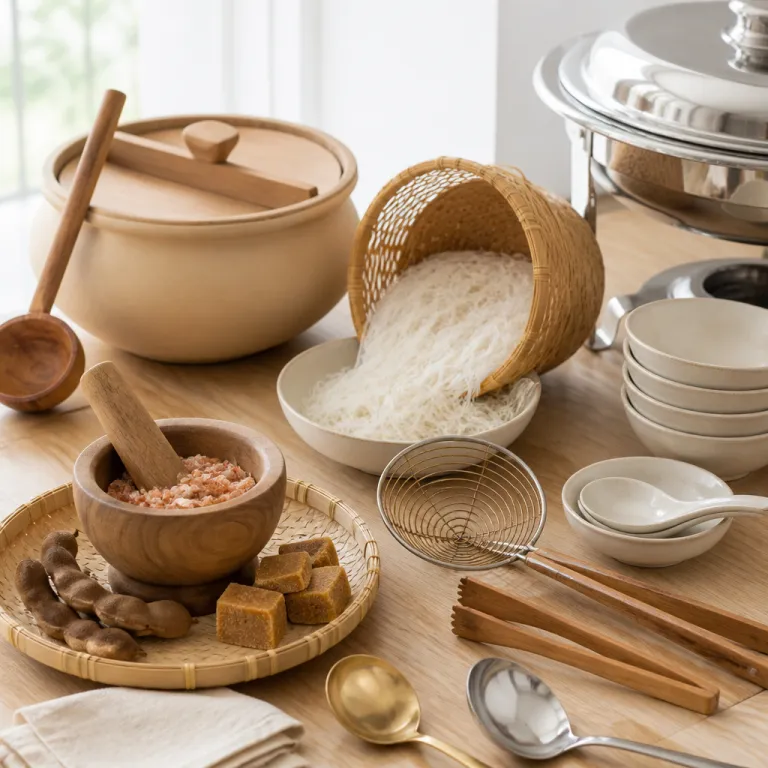
Breakfast in Myanmar is a social ceremony that links street vendors, hotel chefs and local farmers through fish, rice and split peas before the sun climbs too high. Traditional clay pots simmer over charcoal stoves, where cooks slowly heat water and fish stock to build a fragrant fish soup or lighter noodle soup, while wooden ladles stir in onion paste, turmeric powder and toasted rice powder. When a hotel replaces this choreography with stainless steel chafers and lukewarm soup, you are not just missing a dish; you are missing the story of how Burmese mohinga and its cousins carry the country’s history into every morning.
Food writers and local researchers consistently describe mohinga as an everyday staple, not an occasional treat, with bowls sold from dawn in almost every town and city. The Myanmar Ministry of Hotels and Tourism has echoed this in its own promotional material, calling mohinga “the breakfast you will find on nearly every street.” That ubiquity matters for luxury travelers, because it shows that mohinga rice noodles, rice vermicelli and other rice based strands are woven into expectations of comfort and value. When your five star property sidelines fish soup, samosa noodle soup or fermented rice dishes, it signals distance from the people and places you came to understand.
Section 2 – Mohinga: the national dish your buffet should lead with
A serious Burmese breakfast mohinga guide must start at dawn, when the first ladles of Burmese mohinga hit the bowls. Mohinga is a deeply seasoned fish based noodle soup built on a slow cooked broth of fish stock, aromatics and spices, thickened with rice flour or chickpea flour and perfumed with turmeric and coriander leaves. Street vendors and hotel chefs alike cook it in wide pots, where they add banana stem, onion paste and toasted rice powder, then keep the heat low so the soup stays silky for several hours.
In Yangon, the classic recipe uses freshwater fish simmered for at least thirty minutes in water with ginger, garlic and lemongrass before being flaked back into the broth. Cooks then add rice powder or chickpea flour by the tbsp, stirring constantly so the flour does not clump, and finish with a drizzle of oil scented with turmeric powder to give the fish soup its golden hue. Bowls are assembled to order with a cup of mohinga rice noodles or rice vermicelli, topped with hard boiled eggs, crisp fritters and fresh coriander leaves, creating a layered noodle soup that feels both hearty and bright.
Regional variations matter for travelers choosing where to stay. Rakhine style Burmese mohinga leans lighter and more saline, with extra fish sauce and less flour, while Mandalay versions may add thicker rice noodles and more toasted rice for body. In Mandalay, for example, the long running Min Thiha tea shop is known for a robust, peppery mohinga that regulars praise for its generous use of toasted rice powder. When you evaluate a hotel breakfast, look for a live mohinga station where a cook will add noodles, banana stem and garnishes to your bowl in real time; this is a better indicator of culinary seriousness than any imported smoked salmon, and aligns with the farm to table ethos you might read about in Yangon’s restaurant scene at high rise farm to table dining for hotel guests.
Section 3 – How to read a mohinga pot like a local
Once you know what to look for, a single pot of mohinga can tell you whether a property respects Burmese breakfast culture. Start with the aroma; a balanced fish soup should smell clean and bright, with turmeric, coriander leaves and onion paste rising gently from the steam rather than a heavy, muddy fish stock. Watch how the staff cook and serve the noodle soup, checking whether they keep the heat at a gentle simmer and add fresh rice noodles or rice vermicelli to each bowl only when you order.
Texture is your next clue, because a well made Burmese mohinga relies on the right mix of rice flour, chickpea flour and toasted rice powder. The broth should coat the noodles lightly without feeling gluey, which means the cook measured each tbsp of flour carefully and stirred for several minutes after every add. If you see floury lumps or a greasy layer of oil floating on top of the water based broth, the recipe has been rushed, and you are better off walking to a nearby tea shop where street vendors have been tending their pots since before sunrise.
Garnishes complete the story, and they are where many hotel buffets quietly fail. A proper Burmese breakfast mohinga guide insists on sliced banana stem, crisp fritters, coriander leaves, lime wedges and hard boiled eggs at minimum, with optional extras like split peas fritters or extra fish sauce on the side. If your hotel offers only plain noodles and a stripped down soup, use that as a cue to explore the township level tea shop scene instead, using a detailed tea shop guide or local recommendations with township level specificity to find a stall where the mohinga pot reflects real local standards.
Section 4 – Beyond mohinga: the other morning dishes your hotel should serve
While mohinga anchors any Burmese breakfast mohinga guide, it is only one part of the morning table. In Shan State, many locals reach first for Shan noodles, a lighter noodle soup built on a clear broth rather than a thick fish stock, often served with minced meat, pickled greens and a scattering of coriander leaves. The best luxury properties around Inle Lake will cook these noodles to order, timing the minutes carefully so the rice noodles stay springy, then add a spoonful of chili oil and toasted chickpea flour for depth.
In Yangon and Mandalay, samosa soup appears at curbside stalls and in a few enlightened hotel dining rooms. This Indian influenced recipe crumbles crisp samosas into a spiced lentil soup, where split peas or other pulses simmer slowly in water with turmeric powder, onion paste and a little rice flour to thicken the broth. When done well, the cook will add the samosas only at the last moment, so they keep some crunch, and may top the bowl with coriander leaves, a drizzle of oil and slices of hard boiled eggs for extra richness.
Do not overlook humbler dishes such as htamin jin, fermented rice balls mixed with fish sauce, oil and sometimes flaked fish, or early morning tea leaf salad served with toasted rice and crunchy beans. These plates rarely appear on international buffets, yet they are central to how Burmese locals structure their first meal and how street vendors earn their living. A hotel that offers a rotating selection of these rice based dishes alongside mohinga rice noodles, rice vermicelli soups and Western options signals a deeper engagement with Myanmar’s culture, the kind you can explore further through broader cultural pieces on Myanmar culture in luxury travel.
Section 5 – Tea shops, street vendors and how to eat safely near your hotel
Even if your property serves a respectable bowl of Burmese mohinga, you should still step outside to experience the tea shop ritual. Street vendors and tea shop owners start their activity long before dawn, heating water over charcoal, preparing onion paste and measuring rice flour, chickpea flour and turmeric powder by the cup and tbsp. Clay pots bubble with fish soup, lentil soup and lighter noodle soup, while trays of samosas, fritters and hard boiled eggs wait to be added to bowls in the final minutes before serving.
At a typical corner tea shop, you will see sweet, milky tea poured from height, newspapers spread across low tables and groups of Burmese locals debating football or politics. Food arrives fast; a server may bring mohinga rice noodles in one bowl, a separate cup of broth and a plate of garnishes like coriander leaves, banana stem and toasted rice, inviting you to add and adjust the recipe to your taste. This is where practical guidance from local guides and travel clinics becomes useful, because visitors are often advised to try mohinga from street vendors, be cautious of spice levels and use bottled water for safety when they eat outside their hotel.
Hygiene is a reasonable concern, but it can be managed with a few clear checks. Choose busy stalls where the fish stock and noodle soup turn over quickly, and where you can see the cook wash herbs in clean water and cook ingredients over strong heat. If you are unsure about raw garnishes, ask for your coriander leaves, banana stem and split peas fritters to be added directly into the hot soup, and focus on dishes where rice noodles, rice vermicelli and eggs are thoroughly boiled, because a hard boiled egg that has just been peeled in front of you is usually a safe bet.
Section 6 – How to choose a hotel that respects Burmese breakfast culture
For a luxury traveler comparing properties through hotel booking platforms or specialist agents, breakfast should be a key filter when weighing options. Read menus and reviews carefully, looking for explicit mentions of Burmese mohinga, Shan noodles, samosa soup and other rice based dishes rather than vague references to “local options” hidden behind the main buffet. A hotel that lists mohinga rice noodles, rice vermicelli, rice noodles and fermented rice dishes by name is more likely to have invested the time hour and training needed to cook them properly.
When you arrive, walk the buffet with a critical eye before you sit down. Check whether the mohinga pot is on gentle heat, whether the broth looks freshly made with a balanced mix of fish, rice flour, chickpea flour and toasted rice powder, and whether garnishes such as coriander leaves, banana stem, toasted rice and hard boiled eggs are replenished frequently. Ask staff how long the fish stock has been simmering, how many minutes they cook the noodles and whether they can adjust spice or fish sauce levels to your taste; confident, detailed answers are a strong sign that hotel chefs treat Burmese breakfast with respect.
Finally, pay attention to how the property connects guests with nearby tea shops and street vendors. Some of the best luxury hotels now offer guided morning walks where you can taste mohinga, noodle soup and rice dishes outside the hotel, then return for coffee and fruit by the pool. This approach supports local vendors, aligns with the goals of promoting local cuisine and enhances your understanding of Myanmar’s culinary heritage far more than any anonymous international buffet ever could.
Key figures that frame Burmese breakfast culture
- Local food scholars and travel writers widely describe mohinga as Myanmar’s most commonly eaten breakfast, confirming that this fish based noodle soup is not an occasional specialty but a core part of everyday life. A 2019 survey by a Yangon culinary research group, for example, found that more than two thirds of respondents in urban areas reported eating mohinga at least three times per week.
- Street side stalls typically price a bowl of mohinga at the equivalent of a few US dollars or less, meaning a single luxury hotel breakfast can cost the equivalent of several street side meals for local diners. In central Yangon, recent guidebook research has documented average prices between one and three US dollars depending on portion size and toppings.
- Traditional breakfast service follows a clear timeline, with early morning preparation, morning serving and late morning conclusion, so travelers who arrive at the buffet after 10:00 often miss the most authentic dishes.
- Clay pots, wooden ladles and charcoal stoves remain common tools for street vendors, while modern hotels increasingly adapt these methods with gas burners and stainless steel, which can affect the flavor and texture of mohinga and other soups.
- Healthier versions of traditional dishes, such as lighter broths and reduced oil toppings, are becoming more common in urban hotels, reflecting increased tourist interest in local breakfasts without sacrificing comfort.
Frequently asked questions about Burmese breakfast and mohinga
What is mohinga and why is it served for breakfast ?
Mohinga is a fish based noodle soup widely regarded as Myanmar’s national dish, built on a broth of fish stock, aromatics and rice or chickpea flour. It is traditionally eaten at breakfast because street vendors prepare it in the early morning and many Burmese locals prefer a warm, savory meal to start the day. For travelers, tasting mohinga at dawn offers a direct window into daily life that no hotel buffet omelet can match.
Is samosa soup in Myanmar very spicy ?
Samosa soup, often called samosa thoke, usually has a noticeable but manageable level of spice. The base is a lentil or split peas soup seasoned with chili, turmeric and onion paste, into which crisp samosas are crumbled just before serving. If you are sensitive to heat, you can ask the vendor or hotel chef to reduce the chili oil and serve extra coriander leaves and lime instead.
Are hotel breakfast buffets in Myanmar authentic ?
Many upscale hotels offer at least one or two local dishes, but some adapt recipes for international palates by reducing spice, simplifying garnishes or thickening broths with extra flour. Authenticity improves when properties employ Burmese hotel chefs who have experience with traditional methods and when they maintain live stations for mohinga, Shan noodles or tea leaf salad. Asking how long the broth has been simmering and whether they use rice flour, chickpea flour and toasted rice powder in the traditional way can reveal how closely a buffet follows local standards.
Is it safe for travelers to eat mohinga from street vendors ?
Many visitors safely enjoy mohinga and other breakfast dishes from busy, well regarded street vendors. Choosing stalls with high turnover, where fish soup and noodle soup are cooked over strong heat and bowls are washed in clean water, significantly reduces risk. Following common advice to use bottled water, avoid ice of uncertain origin and eat food that is freshly cooked to order will help you enjoy Burmese breakfast culture with confidence.
What other breakfast dishes should I try besides mohinga ?
Beyond mohinga, travelers should seek out Shan noodles, samosa soup, fermented rice dishes such as htamin jin and early morning tea leaf salad served with toasted rice and crunchy beans. Each of these plates highlights different regional ingredients, from the clear broths and rice noodles of Shan State to the tangy, fish sauce scented rice balls of central Myanmar. Sampling a mix of these dishes, both in hotels and at nearby tea shops, gives a far richer understanding of the country than relying on Western style buffets alone.