Waso Buddhist Lent Myanmar travel: why spiritual summer is the insider season
Waso in Myanmar is the fourth lunar month when the full moon signals the beginning of Buddhist Lent and a profound shift in daily rhythm. During this waso full moon period, luxury hotels quietly reorient their calendars because the three-month retreat reshapes how guests move between pagoda, monastery and pool. For travelers planning waso Buddhist Lent Myanmar travel, this is the moment when the country turns inward and the most rewarding cultural immersion begins.
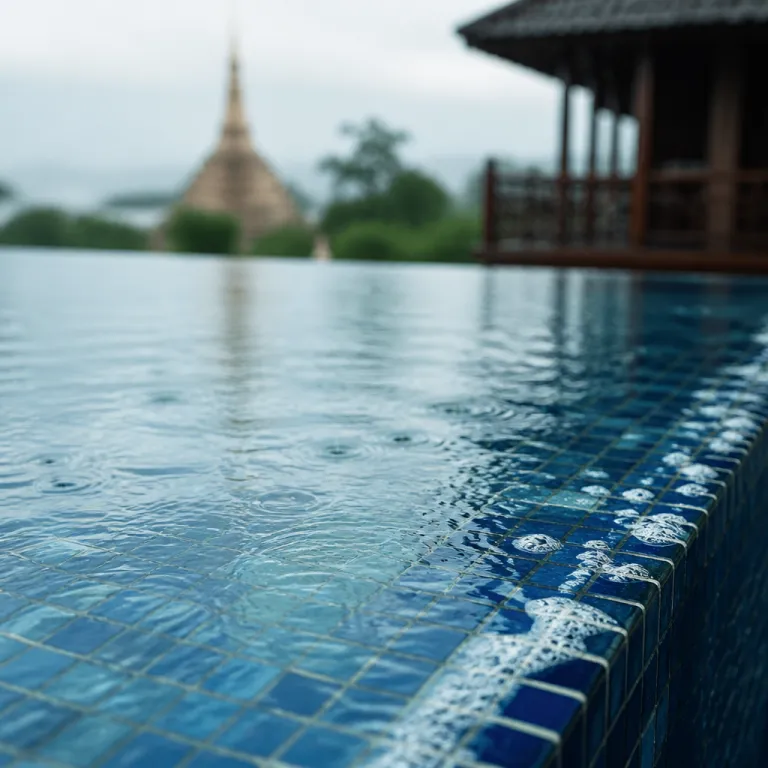
The full moon day waso is not a single festival but the threshold to a season-long observance when Buddhist monks step back from travel and deepen meditation, study and buddha teachings. Across Myanmar, from Yangon to Inle Lake, ordination ceremonies, robe offering rituals and waso robe processions fill the days while nights feel calmer, with fewer loud events and more candlelit chanting. This is the rainy season, so showers pass over in short, dramatic bursts, yet the air in each pagoda feels washed clean and the festival atmosphere becomes more contemplative than crowded.
Waso festival observances mark the moment when devotees recall how the lord Buddha delivered his first sermon and accepted the early monastic community, and that story still shapes how hotels design their guest experiences. Many luxury properties now coordinate transfers and temple visits around the full moon festival calendar, ensuring travelers arrive at key ceremonies without intruding on prayer. For discerning visitors, understanding how each moon day during these three months influences local life will turn a standard stay into a layered, respectful journey. Upcoming dates help with planning: for example, the full moon of Waso typically falls in July (for instance, 3 July in 2023 and 21 July in 2024, according to the Department of Meteorology and Hydrology lunar listings), and reservations at top hotels often open six to nine months in advance for this period.
How Buddhist Lent reshapes luxury stays in Yangon and beyond
In Yangon, Buddhist Lent changes the cadence of the city, and the best luxury hotels adjust in step with the monasteries and pagodas around them. High-end properties near Shwedagon Pagoda, for example, often schedule guided visits earlier in the day so guests can witness robe offering rituals before the main crowds arrive on each lent day. Over the waso season, concierges become cultural interpreters, explaining which pagoda festival is a festival celebrated for ordination, which for community merit making and which for quiet moon day reflection.
Because around 89% of Myanmar’s population practices Buddhism and roughly 500,000 individuals are registered as monks, according to figures drawn from the 2014 Myanmar Population and Housing Census and data cited by the Ministry of Religious Affairs and Culture, the scale of Buddhist Lent is impossible to miss in any city. Luxury hotels respond by curating smaller, more intimate experiences during this retreat, such as private meetings with senior Buddhist monks who are open to conversation outside formal chanting times. As one Yangon-based concierge explains, “During Waso, guests don’t just visit pagodas; they step into our daily rhythm, so we plan every temple stop as carefully as a fine-dining reservation.” Guests who usually chase only rooftop cocktails in Yangon often find that a carefully arranged temple visit followed by a tea shop stop, perhaps guided using an insider resource like this detailed look at Myanmar’s tea shop culture, becomes the most memorable part of their waso Buddhist Lent Myanmar travel.
Across Myanmar, luxury properties in cities and regional hubs subtly adapt services during the rainy season months without compromising comfort. Spa menus may incorporate more time for meditation or quiet reflection, while restaurants add special vegetarian offerings that echo the spirit of Buddhist lent without appropriating ritual food. For couples, friends or solo travelers, this means days can flow from a dawn visit to a neighborhood pagoda to an afternoon massage and an evening of soft chanting carried across the city, all coordinated by a concierge who understands both the moon festival calendar and five-star expectations. Many high-end brands also introduce limited Waso packages that bundle airport transfers, guided pagoda tours and flexible spa credits so guests can adjust plans around sudden showers or last-minute invitations to local ceremonies.
From pagoda festivals to robe offerings: designing a Waso itinerary around Buddhist Lent
Planning waso Buddhist Lent Myanmar travel starts with the calendar, because the full moon of waso defines everything from ordination dates to robe offering ceremonies. The weeks that follow are structured around each full moon and key moon day, when laypeople gather at the nearest pagoda for chanting, food offering and donations to support Buddhist monks during their retreat. For luxury travelers, aligning stays with these days rather than avoiding them opens access to a Myanmar that feels personal, not performative.
In Bagan, where hundreds of pagodas rise above the Irrawaddy plain, the rainy season brings lush green fields and far fewer visitors, so temple visits during Buddhist Lent feel almost private. Instead of chasing only sunrise viewpoints, couples can work with their hotel to arrange a respectful circuit that follows local etiquette, using guidance similar to this nuanced take on Bagan pagoda etiquette. On a lent day, you might watch a small pagoda festival where villagers present waso robes to novice monks, then return to a riverside suite for a long lunch while the afternoon rain cools the three-month heat. Booking a private guide through your hotel at least a few weeks ahead ensures access to quieter temples and helps time visits between downpours.
Further north, Mandalay’s larger monasteries host more formal ceremonies during the waso festival period, and luxury hotels there often coordinate private transfers and translators for guests. A well-planned itinerary might include three days in Yangon, three days in Bagan and three days around Inle Lake, giving you a full cross section of how Buddhist lent shapes both urban and rural life. Throughout these days and nights, the thread that connects each stop is the same story of lord Buddha, the buddha teachings and the community’s commitment to supporting monks for the entire retreat. To keep logistics smooth, many travelers reserve domestic flights and key hotel nights at least three months in advance, then let concierges fine-tune daily schedules once exact moon day dates are confirmed.
Inle Lake retreats and wellness: when Buddhist generosity meets luxury hospitality
Inle Lake during waso feels made for couples who want quiet, water and ritual woven into one stay. Stilted luxury resorts on the lake often design special rainy season programs that echo the rhythm of Buddhist Lent, from early morning boat rides to lakeside monasteries to evening meditation sessions in candlelit pavilions. Here, the line between cultural immersion and wellness blurs, and your waso Buddhist Lent Myanmar travel becomes as much about inner stillness as it is about scenic views.
Many high-end properties across Myanmar now integrate traditional practices with modern hospitality services in thoughtful ways. You might join a guided visit to a lakeside pagoda on a moon day, participate in a simple food offering to Buddhist monks, then return for a spa ritual inspired by local thanaka and herbal treatments, deepened by insights from this exploration of Burmese spa traditions. The rainy season setting, with clouds hanging low over the hills, makes the retreat of Buddhist lent feel tangible, even from the comfort of a private villa. Some resorts also offer optional mindfulness classes or lakeside yoga timed to the early morning chanting drifting across the water.
Respect remains the anchor of every interaction, and the best luxury hotels coach guests carefully on etiquette. Staff will remind you to dress modestly at every pagoda, to ask before taking photos of robe offering ceremonies and to treat each festival celebrated during waso as a living act of faith rather than a performance. As local guidance puts it, "Respect local customs and dress codes", "Participate in temple ceremonies", and "Plan visits around festival dates" — advice that, when followed, turns a rainy season trip into a quietly transformative journey through Myanmar’s spiritual summer. Building in unscheduled time on key moon days also leaves space for spontaneous invitations to village feasts or small-scale robe offerings that rarely appear in guidebooks.
FAQ
What is Waso and why does it matter for luxury travelers ?
Waso is the fourth month of the traditional Burmese calendar, and its full moon marks the start of Buddhist Lent, a three-month retreat for monks. For luxury travelers, this period reshapes hotel programming, temple access and crowd levels across Myanmar. Planning around the waso full moon and subsequent moon festival dates allows you to experience ceremonies, robe offerings and quieter pagodas with expert guidance from high-end properties. Checking the lunar calendar before you book flights helps you decide whether to arrive just before the full moon, when activity peaks, or a little later, when monasteries settle into a steadier rhythm.
How do luxury hotels in Myanmar adapt during Buddhist Lent ?
High-end hotels adjust their services to align with the rhythm of Buddhist lent without reducing comfort or amenities. They may offer special packages that include guided visits to pagodas on key moon day dates, meditation sessions, vegetarian menus and opportunities to observe or respectfully join offering ceremonies. As one reference from the Ministry of Religious Affairs and Culture notes in its guidance on Buddhist Lent observances, "Hotels and tour operators are encouraged to support devotees by facilitating access to religious sites while maintaining an atmosphere of respect." In practice, this can mean later bar hours balanced with quieter evenings on major observance days, or flexible check-out times so guests can attend early morning robe offerings without rushing back.
Can tourists participate in Waso festival ceremonies respectfully ?
Tourists are welcome to attend many waso festival events, including robe offering rituals and community gatherings at local pagodas. The essential etiquette is to dress modestly, remove shoes and socks before entering temple platforms, keep voices low and follow the lead of local devotees during prayers or offerings. When in doubt, ask your hotel concierge or a temple volunteer whether photography or participation is appropriate on that particular day waso celebration. Arriving a little early, bringing small notes for donations and avoiding flash photography are simple ways to show respect.
Is the rainy season during Buddhist Lent a good time to visit Myanmar ?
The rainy season months that overlap with Buddhist Lent are an excellent time for culturally focused, luxury oriented travel. Showers are frequent but often short, landscapes around Bagan and Inle Lake turn vividly green, and major sites see fewer visitors, which means more intimate access to pagodas and monasteries. For couples who value atmosphere and depth over constant sunshine, these three months can offer Myanmar at its most reflective and rewarding. Packing light layers, a compact umbrella and quick-drying sandals makes moving between temples, boats and hotel lounges far more comfortable.
Which destinations work best for a Waso and Buddhist Lent itinerary ?
A classic high-end itinerary for waso Buddhist Lent Myanmar travel combines Yangon, Bagan and Inle Lake over roughly nine to ten days. Yangon offers major urban pagodas and tea shop culture, Bagan provides temple plains and small pagoda festivals, while Inle Lake delivers lakeside monasteries and wellness focused resorts. This mix lets you experience how Buddhist monks, lay communities and luxury hotels across different regions live through the same spiritual season in distinct yet connected ways. If time allows, adding Mandalay or a short stop in a smaller town along the Irrawaddy can deepen your sense of how widely Waso shapes daily life.