Why a monastery stay in Bagan belongs beside your best hotel
Bagan stretches across the Irrawaddy River plain with more than 2,000 temples and pagodas. For many luxury travelers, the natural starting point is a refined hotel with a quiet pool, polished service and a flawless view of the plains. Yet a carefully planned monastery stay in Bagan can sit alongside your top resort nights and turn a beautiful visit into something far deeper and more reflective.
Think of it as a parallel track to your hotel planning, not a replacement for a great stay. You might spend two nights in a riverfront resort with a long swimming pool, then one night in a monastery where the only amenity is the sound of chanting and the rustle of robes. That contrast between attentive staff and monastic work is what often makes an itinerary in Bagan feel complete and emotionally grounded.
Rather than choosing between temples and comfort, the real question is how to balance both in the same area. When you visit Bagan with this mindset, the temples are no longer just a backdrop to your room view; they become the reason every place you sleep really matters and the thread that ties your nights together.
How to ask: intermediaries, donations and the right phrasing
Overnight stays in monasteries around Bagan are possible, but never casual. The Bagan Archaeological Zone is still an active religious landscape, and every temple or monastery is first a place of worship, only then a place to stay. You need to check arrangements well in advance, ideally while you also confirm your hotel reservations, domestic flights and travel insurance.
Two monasteries often mentioned by local guides for welcoming respectful foreign visitors on a limited basis are Mya Thida Monastery, with its weathered wooden halls, and Ananda Oakkyaung Monastery, a brick complex beside the famous Ananda Temple. From Mya Thida you can walk to nearby shrines before dawn, while Ananda Oakkyaung holds murals that quietly tell the history of Bagan in ochre and smoke-blackened pigment.
Access usually comes through a licensed local guide or a serious travel agency based in Nyaung U or Old Bagan. They will find the right monk to speak with, explain your intentions and help you discuss an appropriate donation for your stay rather than a fixed room rate. Exact amounts vary by monastery, group size and current conditions, so ask your guide for up-to-date advice instead of relying on a standard figure. For broader context on etiquette, religious regulations and visitor conduct, consult official information from the Ministry of Religious Affairs and Culture and the Ministry of Hotels and Tourism of Myanmar, and be aware that local rules, fees and currency requirements can change.
What a 24 hour monastery stay in Bagan really feels like
A monastery stay in Bagan usually begins in the late afternoon, once the heat softens and day-trippers drift back to their hotels. Your guide will walk you through the compound, introduce you to the abbot and quietly point out where you can and cannot go. Shoes come off at the gate, shoulders and knees stay covered, and your phone goes away whenever monks work, study or chant.
Evening unfolds slowly in this part of central Myanmar. You might sit under a tamarind tree while the bells of nearby temples mark the time, or watch the last light catch a distant Buddha image on a hilltop pagoda. The famous sunrise–sunset pairing that defines many Bagan itineraries feels different here, because you are not rushing back to a resort pool or a rooftop bar; you are already inside the rhythm that shapes the day.
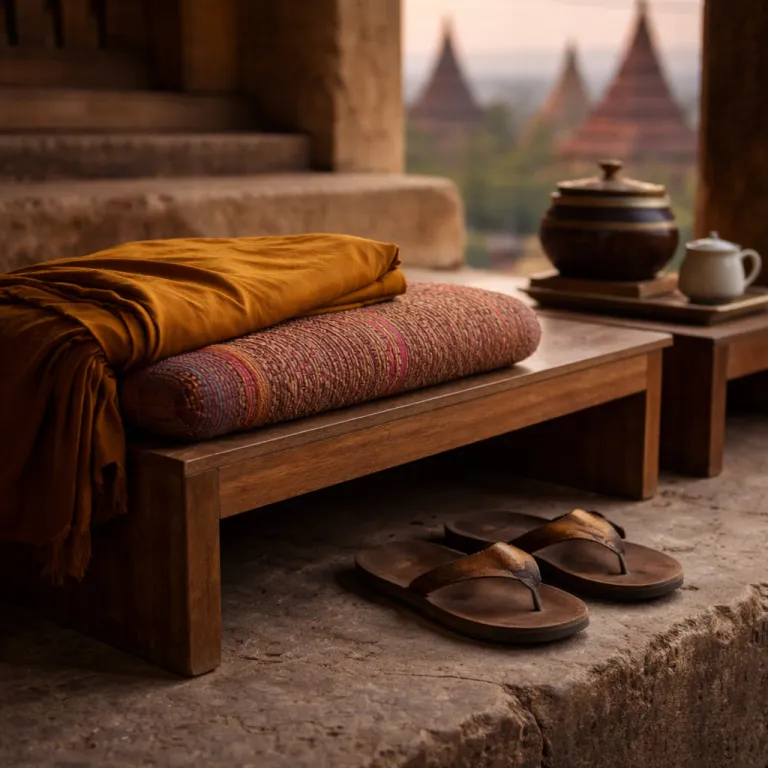
Nights are simple and quiet. Expect a thin mattress on a raised wooden platform, a shared bathroom and perhaps a fan if the place has electricity. This is not the best option for travelers who need air conditioning, a private swimming pool or a minibar, but it is the top choice if you want to hear the first drum before dawn and then walk out to greet the temples with the etiquette outlined in detailed dawn pagoda guidelines.
Sleeping, eating and showing gratitude without overstepping
Sleeping conditions in monasteries around Bagan are basic by design. You will usually stay in a side hall or guest room with a simple mattress, a mosquito net and your own sheet or sleeping bag. If you need the comfort of high hotel standards every night, keep your monastery stay in Bagan to a single night and frame it as a cultural immersion between resort stays rather than as your main base.
Meals are part of the rhythm of monastic life. Breakfast often comes after early chanting, with rice, vegetables and tea served before the sun climbs over the pagodas and the Irrawaddy River haze. Lunch is usually the last meal of the day for monks, so you may be offered something light in the evening while remembering that “Are meals provided during the stay? Yes, typically simple vegetarian meals are offered.” Let your hosts know in advance if you do not eat certain foods, but be prepared for limited flexibility.
Gratitude is shown through a discreet donation, not tipping. Your guide can help you find the right amount so that your stay supports the monastery without turning it into a commercial hotel-style experience. Think of it as choosing to support a place that safeguards the living heritage and history of Bagan, just as you might support a conservation-focused resort with a river view and a carefully managed pool.
When a monastery stay is not the best choice and how to balance it
Monasteries are not designed for every traveler, even in a region as welcoming as Bagan. If you are highly sensitive to noise, remember that gongs, chanting and novice chatter can echo through the night, making a quiet hotel with a thick mattress and soundproofing the better place for you. Strict dietary needs can also be difficult to manage, because kitchens work for the resident community first and cannot always adapt to individual requests.
There are also conversations that should never happen during a monastery stay in Bagan. Avoid political topics, money talk and anything that turns monks into content for social media, and remember that “Can tourists stay overnight in Bagan monasteries? Yes, with prior arrangement and adherence to monastery guidelines.” Photography is often allowed in courtyards and around a temple, but always check before you lift your camera, especially near a Buddha image, during rituals or when novices are studying.
The most balanced itineraries pair one night in Mya Thida Monastery or Ananda Oakkyaung with several nights in a refined resort in the Nyaung U or Old Bagan area. That way you can visit major temples such as Shwezigon Pagoda at sunrise and sunset from a comfortable base, then step into monastic life for a short, intense stay. Afterwards, many travelers choose a spa-focused hotel with a long swimming pool, a river view and thoughtful service to help them process everything they have just experienced.
Choosing where to sleep: monasteries versus luxury hotels in Bagan
When you plan where to stay in Bagan, think in layers rather than in a single booking. A monastery stay offers proximity to the spiritual heart of the archaeological zone, while a top hotel or riverfront resort offers the comfort and privacy many solo travelers and families need. The art lies in deciding which nights belong to temples and which nights belong to thread count, spa menus and quiet pools.
For temple-focused days, choose accommodation near the main clusters so you can walk or cycle between a sunrise at Shwezigon Pagoda and a quiet sunset over the Irrawaddy River. On other days, a resort on the south-eastern fringe of the area with a generous pool and a broad view lets you rest between long explorations of lesser-visited stupas and village monasteries. Either way, always check cancellation policies, confirm that your travel insurance covers Myanmar and keep copies of your passport ready for both hotel and monastery registrations, as required by local authorities.
Some travelers call this layered approach the best way to experience Bagan. You might start in a hotel with a rooftop view over the temples, move to a monastery for one intense night, then return to a comfortable property to work remotely or simply exhale. In a landscape where every pagoda and Buddha image tells a story, the places you sleep become part of the history of Bagan that you carry home.
FAQ
Can tourists stay overnight in monasteries in Bagan ?
Yes, tourists can stay overnight in certain monasteries in Bagan with prior arrangement through a local guide or agency. Permissions are granted case by case by the monastery and, where required, by township authorities, and you must follow rules on dress, behavior and photography. Stays are usually short, from one to a few nights, and framed as cultural immersion rather than casual accommodation.
What should I bring for a monastery stay in Bagan ?
Pack modest clothing that covers shoulders and knees, light layers for cool mornings and personal toiletries, because amenities are minimal. A sleeping sheet or thin sleeping bag, earplugs and a small torch are useful, especially in older wooden buildings with limited lighting. As one local guideline puts it, “What should I bring for a monastery stay? Modest clothing, personal toiletries, and a respectful attitude.”
How does a monastery stay compare with a luxury hotel in Bagan ?
A monastery stay offers immersion in monastic routines, shared spaces and very simple bedding, with no air conditioning, private pool or room service. A luxury hotel in Bagan provides privacy, high comfort, curated dining and facilities such as a swimming pool and spa, but less direct contact with daily religious life. Many discerning travelers combine both, using hotels for rest and monasteries for one intense cultural night.
Is a monastery stay in Bagan suitable for remote work ?
Monasteries are not suitable for remote work because Wi‑Fi is rare, power can be intermittent and silence is expected in many areas. If you need to work, base yourself in a hotel in Bagan with reliable internet and then schedule a monastery stay on days when you can fully disconnect. This balance lets you keep up with work while still engaging deeply with the temples and monastic culture.
Do I need special permits or documents for a monastery stay in Bagan ?
You generally do not need a separate government permit beyond your Myanmar visa and the Bagan zone fee, but monasteries will usually register your passport details with local authorities. Your guide or agency handles the local approvals, so carrying a valid passport and proof of travel insurance is essential. Always confirm requirements when you book, because procedures can change and each monastery sets its own expectations.
References
Bagan Temple Guide; official tourism information from the Ministry of Hotels and Tourism Myanmar; general guidance from the Ministry of Religious Affairs and Culture; sample booking checklists and visitor notes from licensed guides and established travel agencies in Nyaung U and Old Bagan.