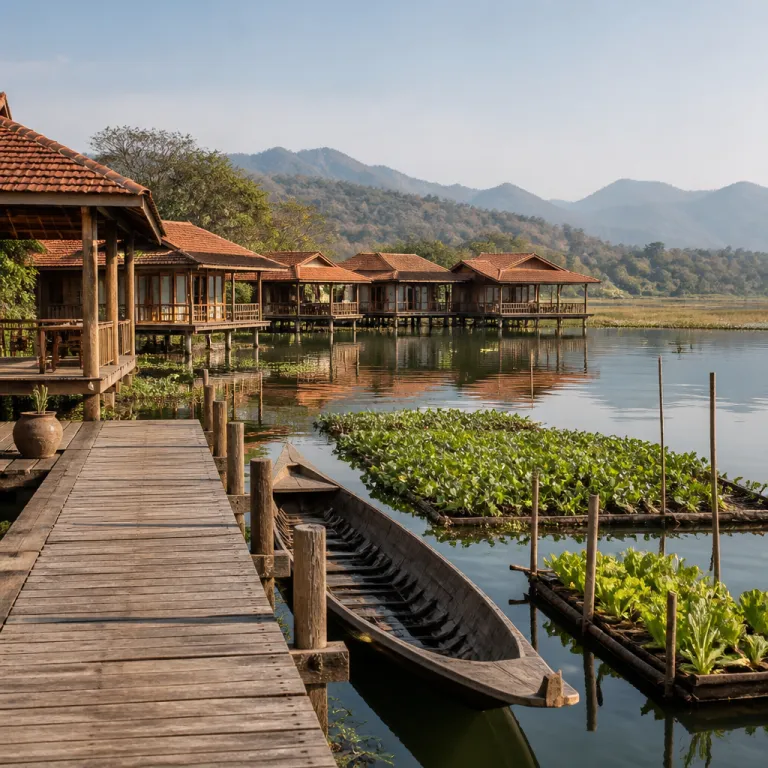
Silent luxury on the water in Inle, Myanmar
Inle Lake in Myanmar offers a rare balance of serenity and refinement for discerning travellers. This freshwater lake in Shan State sits at about 880 metres, with a lake area of roughly 116 square kilometres that feels both large and intimate. Many premium hotels here float above the water on stilts, giving you direct access to Inle Lake while preserving privacy and calm.
From your suite you may watch Intha people glide past in wooden boat traffic, using their famous leg rowing style that has become a symbol of Inle, Myanmar. Local fishermen stand on one leg at the stern and wrap the other leg around the oar, a leg rowing technique that leaves their hands free for conical nets. According to regional tourism boards and Myanmar travel guides, “What is Inle Lake known for? Unique leg-rowing fishermen and floating gardens,” a description that aligns with figures published by Myanmar’s Ministry of Hotels and Tourism and summary data on Wikipedia.
High end properties around Inle Lake often sit near traditional stilt houses, so you remain close to real villages rather than isolated in a resort compound. The best time to appreciate this contrast is early morning, when the water lies still and the light softens the floating gardens that stretch in long green lines. At this hour you see local people heading to the rotating market or to lakeside market towns, while hotel staff quietly prepare breakfast with fresh produce from nearby gardens.
Luxury hotels around Inle typically offer private boat jetties, allowing you to step from spa to boat tour in minutes. A curated boat tour can trace the lake area from the northern gateway at Nyaung Shwe to quieter southern villages, passing floating gardens, pagodas and monasteries along the way. When you return, refined restaurants serve Shan noodle soup and lake fish, pairing regional cuisine with international techniques for guests who value both authenticity and comfort.
Hidden villages, floating gardens and quiet coves for refined stays
Many travellers know Inle Lake for its main boat routes, yet the most rewarding luxury stays often sit just beyond the usual tour circuits. South and east of the busiest channels, small clusters of stilt houses form villages where Intha and Pa-O people still cultivate floating gardens by hand. Here, premium hotels limit their room numbers, so the lake feels like a private water sanctuary rather than a crowded attraction.
These floating gardens are anchored with bamboo poles into the shallow lake bed, creating long vegetable beds that drift slightly with the water. When you stay in this quieter lake area, your boat tour usually starts at first light, reaching the gardens before most day tours arrive from Nyaung Shwe. The silence is broken only by the soft splash of a single boat oar and the distant call of traders heading toward the rotating market zones.
For travellers combining Inle Lake with coastal relaxation, it is worth reading about Ngapali in the off season on a specialist Myanmar travel platform before finalising dates. Aligning your best time to visit the Bay of Bengal with the best time for clear skies over Inle, Myanmar can transform a good itinerary into a seamless one. Luxury booking websites that focus on Myanmar often highlight how to balance these regions, ensuring you avoid peak crowds while still enjoying reliable weather.
Some of the most atmospheric premium properties sit near smaller villages where local life continues at its own time and rhythm. From these bases, you can arrange a private tour to less visited monasteries or to family run lotus weaving workshops hidden along narrow canals. Recent conservation initiatives, such as community-led waste collection on the water and guidelines on respectful photography, are increasingly promoted by responsible hotels, which often publish sustainability notes based on recommendations from local NGOs and regional tourism offices. Returning at dusk by boat, you pass leg rowing fishermen silhouetted against the mountains, a reminder that this lake in Myanmar remains a living landscape rather than a staged backdrop.
Choosing your lake Inle base: Nyaung Shwe, mid lake or Maing Thauk
Selecting the right base around Inle Lake is crucial for a comfortable and efficient stay. Nyaung Shwe, at the northern edge of the lake, offers the widest choice of hotels, restaurants and markets, making it ideal for travellers who enjoy walking to dinner. However, staying directly on the water in stilt houses or overwater suites brings you closer to the floating gardens and traditional villages that define Inle, Myanmar.
Maing Thauk, on the eastern shore of the lake area, appeals to guests seeking a quieter atmosphere without sacrificing access. Half of this village stands on land and half on water, connected by a long wooden walkway that leads to small jetties where your boat waits. From Maing Thauk, a private boat tour can reach both the main market zones and more secluded channels in less time than from Nyaung Shwe, which reduces daily travel time on the water.
Travellers who prefer to match their accommodation style to their travel rhythm can benefit from curated advice on where to stay in Myanmar from specialist booking platforms. One detailed guide on matching the right property to your travel rhythm explains how lake Inle stays pair well with cultural journeys across Myanmar, from Mandalay to Bagan. Using such resources helps you decide whether a village based retreat, a mid lake hideaway or a Nyaung Shwe address best suits your expectations, and many of these guides now include updated notes on safety, access and local regulations.
For guests arriving via Heho Airport, transfer time to Nyaung Shwe is usually under an hour by road, followed by a short boat ride if you continue to mid lake hotels. Those who choose lakeside properties near Maing Thauk or other eastern villages may spend slightly more time in transit, but gain immediate access to lotus weaving workshops and hillside trails. In every case, a well planned transfer ensures that your first view of Inle Lake is from the water, with leg rowing fishermen welcoming you to Shan State. Travellers can cross-check current flight schedules and road conditions through airline notices, Myanmar tourism advisories and recent hotel pre-arrival information.
Red Mountain, mountain estates and wine with a lake view
While the water defines Inle, some of its most refined experiences unfold above the lake. On the hills near Nyaung Shwe, Red Mountain Estate has become a reference point for wine tasting in Myanmar, pairing vineyard views with panoramas of Inle Lake. From this mountain estate, you can watch the light shift across the lake area while sampling local vintages and small plates inspired by Shan State produce.
Many luxury travellers choose to split their time between a lakeside hotel and a night or two closer to the vineyards. This combination allows you to enjoy both the cool air of the hills and the gentle warmth of the water, without long transfers. A private car and boat tour can be arranged through most premium hotels, linking Red Mountain with floating gardens visits and market stops in a single curated day.
Dining at Red Mountain or similar mountain estates often contrasts with the more traditional restaurant offerings on the water. On the lake, menus highlight Shan noodle soup, grilled fish and seasonal vegetables from floating gardens, served in open air pavilions above the water. In the hills, chefs may pair Myanmar flavours with international techniques, offering tasting menus that appeal to guests accustomed to fine dining in major cities.
For oenophiles, sunset at Red Mountain is often cited as the best time to appreciate the interplay between lake and mountain. As the sun drops behind the Shan State ranges, you can see tiny boats crossing Inle Lake, their wakes tracing silver lines on the surface. Returning to your hotel after dark, the quiet of Inle feels deeper, with only the occasional sound of a boat engine or distant village music reaching across the water. Travellers can verify opening hours, tasting fees and seasonal closures directly with Red Mountain Estate or via recent Myanmar travel reports, as these details change from year to year.
Cultural immersion: markets, lotus weaving and Intha leg rowing
Staying at Inle Lake at a luxury level does not mean remaining detached from local culture. The region’s rotating markets bring together Intha, Pa-O and other ethnic groups from surrounding villages, creating vivid scenes that reward an early visit. Many premium hotels arrange private guides who understand both the expectations of high end guests and the customs of local people, ensuring respectful interactions.
A highlight for many visitors is the floating market, where traders arrive by boat to sell produce, textiles and household goods. While some sections now cater to tourism, other corners still function as essential supply points for stilt houses scattered across Inle. Combining a floating market stop with a visit to lotus weaving workshops allows you to see how delicate fibres from lotus stems become scarves and shawls prized across Myanmar.
Another essential experience is observing the Intha leg rowing technique up close, ideally away from staged demonstrations. On a well planned boat tour, your guide can steer toward quieter channels where fishermen still use traditional rowing style methods while tending conical nets. Watching a single boat glide across the water at this time of day, with one leg wrapped around the oar and the other balancing on the stern, gives a deeper sense of how closely life here is tied to the lake.
To deepen your understanding of Myanmar’s wider cultural landscape, consider reading a specialist article on luxury stays among the timeless temples of Burma before or after your lake visit. Combining Inle Lake with temple regions and coastal retreats creates a layered itinerary that reflects the diversity of Myanmar. Throughout, choosing hotels that support conservation and cultural preservation helps ensure that floating gardens, markets and traditional rowing styles remain part of daily life rather than museum pieces, a point frequently underlined in reports from UNESCO partners and regional heritage organisations.
Practical planning: best time, access via Heho Airport and booking tips
Planning a luxury stay at Inle Lake begins with choosing the best time for your visit. The dry season generally offers clearer skies, calmer water and more predictable boat conditions on the lake, which suits guests who value comfort and reliability. During these months, sunrise and sunset boat tours across Inle are particularly atmospheric, with mist lifting slowly from the surface.
Most travellers reach the region via Heho Airport, the main gateway to Shan State for both domestic and some regional flights. From Heho, private transfers arranged through premium hotels or specialised booking websites ensure a smooth journey to Nyaung Shwe or directly to lakeside jetties. This approach reduces waiting time and allows you to step from plane to boat with minimal delays, an important consideration after long haul travel.
When comparing luxury properties around Inle, pay attention to how each hotel manages its relationship with the lake and surrounding villages. Some focus on seclusion, with only boat access and extensive on site facilities, while others encourage guests to explore local restaurants, markets and cultural sites. Reading detailed property descriptions on Myanmar focused booking platforms helps you understand whether a hotel emphasises spa experiences, culinary depth, cultural immersion or a balance of all three.
Finally, consider how many nights you allocate to the lake area within your wider Myanmar itinerary. A minimum of two full days allows time for a comprehensive boat tour, a market visit and perhaps an excursion to Red Mountain or a mountain estate. Guests with three or four nights can slow their pace, adding village walks, lotus weaving workshops and quiet afternoons watching the leg rowing fishermen from their terrace above the water. Before confirming plans, check recent travel advisories and on-the-ground updates from airlines, embassies and reputable Myanmar travel resources, as local conditions and access rules can evolve.
Statistics: key figures for planning a refined stay at Inle Lake
- Inle Lake covers a lake area of about 44.9 square miles, giving enough space for floating gardens, villages and quiet hotel zones without feeling overcrowded (data referenced from regional summaries based on Wikipedia and Myanmar tourism statistics, which compile figures from the Ministry of Hotels and Tourism and local administrative offices).
- The average depth of Inle is around 7 feet, which enables the construction of extensive floating gardens anchored with bamboo poles and supports the traditional leg rowing fishing methods used by Intha people. These depth estimates are drawn from hydrological surveys cited in Myanmar tourism reports and summarised in public encyclopaedia entries.
- The lake sits at an elevation of roughly 2 900 feet above sea level, contributing to cooler evenings that many luxury travellers appreciate after warmer days in other parts of Myanmar. Elevation figures are consistent across Myanmar government mapping data and widely used travel reference sources.
- Tourism to the lake area has grown steadily over recent decades, prompting increased conservation efforts and cultural preservation initiatives that responsible hotels and booking platforms now highlight in their sustainability policies and visitor advisories. For the most current visitor numbers and project details, travellers should consult recent releases from Myanmar’s Ministry of Hotels and Tourism, local conservation groups and updated entries in recognised travel reference works.
FAQ about luxury and premium stays at Inle Lake
Where exactly is Inle Lake located ?
Inle Lake refers to the region around a freshwater lake in Shan State in eastern Myanmar. The main access town is Nyaung Shwe, which sits at the northern edge of the lake area. From there, travellers reach lakeside hotels and villages by wooden boat along narrow canals and open water.
What is Inle Lake known for among luxury travellers ?
Inle Lake is known for its Intha leg rowing fishermen, extensive floating gardens and traditional stilt houses built directly over the water. Luxury travellers value the combination of cultural authenticity and refined accommodation, with many properties offering private boat tours and spa facilities. The setting allows guests to experience local life in comfort while supporting conservation and community initiatives, which are increasingly documented in hotel sustainability reports and regional tourism briefings.
How do I reach Inle Lake from other parts of Myanmar ?
Most visitors fly to Heho Airport, the main air gateway for Shan State, from cities such as Yangon or Mandalay. From Heho, private car transfers arranged through hotels or booking platforms take you to Nyaung Shwe or directly to lakeside jetties. The final approach to many premium properties is by boat, which provides a memorable first view of the lake.
What is the best time of year to visit Inle Lake ?
The dry season is generally considered the best time to visit Inle Lake for clear skies, calmer water and comfortable boat conditions. During these months, sunrise and sunset tours are especially rewarding, with mist over the water and good visibility of floating gardens and villages. Travellers who prefer fewer crowds may choose shoulder season dates while still enjoying relatively stable weather.
Are luxury stays at Inle Lake compatible with sustainable tourism ?
Many high end properties around Inle now integrate sustainability into their operations, from supporting local lotus weaving cooperatives to funding conservation projects. Responsible hotels work closely with Intha and Pa-O communities to preserve traditional fishing methods, floating gardens and cultural practices. When booking, look for clear commitments to community engagement and environmental management in the property descriptions, and cross-check these claims against independent sustainability certifications or recent reports from Myanmar-focused conservation organisations.