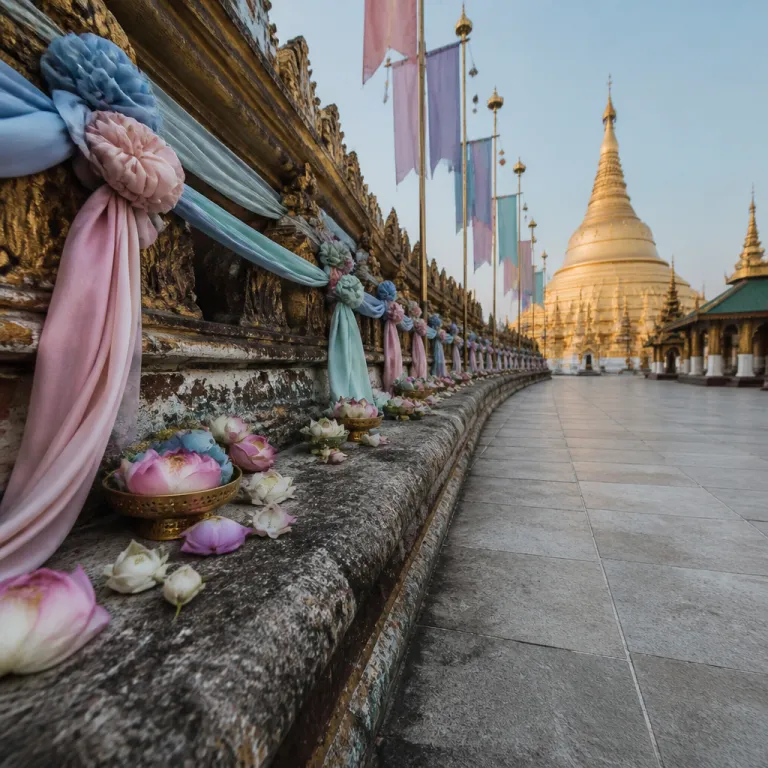
Shwedagon in Yangon as the luminous heart of luxury travel
Shwedagon in Yangon is the spiritual landmark that quietly shapes every sophisticated journey through Myanmar. Rising above the city on Singuttara Hill, the golden main stupa of Shwedagon Pagoda anchors the skyline and gives luxury travellers a clear sense of place. For guests choosing premium hotels in Yangon Myanmar, proximity to this pagoda complex often matters as much as thread count or concierge service.
The pagoda Shwedagon is not only a religious monument; it is a living stage where Buddhist devotion, Burmese history, and contemporary city life meet in one luminous frame. The main stupa, soaring about 99 meters, is covered in gold from base to crown umbrella, with thousands of gold plates and gems creating a soft glow at sunrise and a deep radiance at dusk. When you visit Shwedagon, you step into a pagoda Buddhist sanctuary where the rhythm of chanting monks, circling people, and flickering candles sets the tone for your entire stay in Yangon.
For high end travellers, understanding the role of this buddha temple is essential before choosing where to sleep, dine, and unwind. Shwedagon in Yangon is the main reference point for drivers, guides, and hotel concierges, so your daily travel plans will often begin and end here. A thoughtful guide can help you navigate the pagoda complex, from the small shrines dedicated to planetary deities to the larger shrines honouring the Buddha and key moments in Myanmar Shwedagon history.
Planning a luxury stay around Shwedagon in Yangon
When you plan a premium stay around Shwedagon in Yangon, start by mapping distance and access rather than only room categories. Many of the finest hotels in Yangon Myanmar sit within a short drive of Singuttara Hill, allowing you to reach the Shwedagon Pagoda area in less than fifteen minutes during quiet traffic. This proximity matters if you want to visit Shwedagon at both sunrise and sunset on several days a week without exhausting transfers.
Look for properties that understand the spiritual significance of Shwedagon Pagoda and can arrange private transfers timed to the softest light. A seasoned concierge should provide practical travel tips, such as reminding you to remove shoes before entering, dress modestly, and carry a light shawl for walking between shrines in the evening breeze. Many luxury hotels will also coordinate an English speaking guide who knows the history of Buddhism in Myanmar, can explain the relics of four Buddhas enshrined in the main stupa, and can point out how the crown umbrella and gold plates are maintained by Burmese people through ongoing donations.
If your itinerary extends beyond Yangon, consider pairing your stay near Shwedagon in Yangon with lakeside refinement at Inle Lake; this elegant guide to lakeside luxury and cultural depth helps you balance urban spirituality with tranquil water landscapes. Travellers who appreciate the pagoda Myanmar heritage in Yangon often enjoy exploring other Buddhist sites across the country, from wooden monastery complexes to remote buddha temple sanctuaries. By structuring your travel around these spiritual anchors, you create a coherent narrative that links Shwedagon, Inle, and other destinations into one refined journey.
Inside the pagoda complex: what luxury travellers should know
Stepping into the pagoda complex of Shwedagon in Yangon, you immediately sense a different pace from the city streets below. The main stupa dominates the upper terrace, but it is the constellation of small shrines, prayer halls, and monastery buildings that gives the site its layered character. For travellers staying in premium hotels, a well planned visit Shwedagon experience can feel as curated as any private gallery tour.
Begin at one of the four main stairways, where Burmese people and international visitors move together past stalls selling flowers, candles, and gold leaf. Your guide can explain how the pagoda Buddhist layout reflects cosmology in Theravada Buddhism, with the main stupa symbolising the universe’s centre and the surrounding shrines marking key directions. Many luxury travellers choose to visit on multiple days a week, using each visit to focus on a different aspect of the pagoda Shwedagon experience, from relic veneration to quiet meditation.
If you are combining Yangon Myanmar with other cultural centres, the temple plain of Bagan offers a complementary perspective on Myanmar’s religious architecture; this detailed piece on Bagan by bicycle shows how slowing down among thousands of pagodas deepens your understanding of faith and landscape. Returning to Shwedagon in Yangon after Bagan, you will notice how the single main stupa here concentrates devotion in one golden pinnacle. The contrast between the wide temple plain and the compact pagoda complex in Yangon enriches any high end travel narrative.
History, legends, and the golden aura of Shwedagon in Yangon
The history of Shwedagon in Yangon stretches from ancient origins to its role as a modern national symbol. According to traditional chronicles and standard reference works such as the Encyclopaedia Britannica, the pagoda enshrines relics of four Buddhas: “Relics include eight strands of Gautama Buddha's hair, a piece of Kassapa Buddha's robe, Konagamana Buddha's water filter, and Kakusandha Buddha's staff.” For luxury travellers, understanding this depth of history transforms a simple temple visit into an encounter with Myanmar’s spiritual memory.
Over centuries, Burmese kings and queens, including figures such as King Mindon, contributed to the maintenance and embellishment of the main stupa and its crown umbrella. The structure you see today is layered with gold plates and covered gold leaf, much of it funded by donations from Burmese people and patrons across the Buddhist world. During the British colonial period, Shwedagon Pagoda also became a focal point for political gatherings, which means the pagoda Myanmar story is not only religious but also deeply tied to national identity and resistance.
When you stand on Singuttara Hill at dusk, watching the golden surfaces shift from pale champagne to deep amber, the atmosphere feels both intimate and monumental. A knowledgeable guide can point out how the pagoda Buddhist symbolism appears in the statues of the Buddha, the guardian lions, and the planetary shrines that ring the terrace. This blend of history, politics, and devotion is what makes Shwedagon in Yangon the main reference point for many travellers planning a meaningful stay in Myanmar.
Design details: from crown umbrella to small shrines
Luxury travellers often pay attention to design, and Shwedagon in Yangon rewards that eye for detail. The main stupa rises from a series of terraces, its bell shaped form sheathed in covered gold that catches even the faintest light. At the summit, the crown umbrella, or hti, is studded with precious stones and gold plates, creating a focal point that many visitors only fully appreciate through binoculars or a zoom lens.
Circling the base of the main stupa, you encounter a ring of small shrines, each with its own buddha image, incense offerings, and flickering lamps. These shrines are often aligned with the days of the week, allowing Burmese people to pay respects at the corner associated with their birth day; this practice is one of the most engaging aspects of Buddhism in Myanmar for observant guests. A skilled guide can explain how the planetary posts, animal symbols, and water pouring rituals at each shrine connect personal destiny with the wider pagoda complex.
Beyond the central terrace, you will find monastery buildings, prayer halls, and quieter corners where monks and lay Buddhists chant or meditate. For guests staying in refined properties such as the historic teak mansion featured in this article on an elegant colonial era residence in Yangon, these design details at Shwedagon often echo the carved wood, lacquer, and gold leaf seen back at the hotel. The interplay between sacred architecture and luxury interior design deepens the sense that Shwedagon in Yangon is not just a site to visit but a mood that follows you throughout your stay.
Practical travel tips for premium visits to Shwedagon in Yangon
Thoughtful planning ensures that your time at Shwedagon in Yangon feels serene rather than rushed. Aim to visit Shwedagon either at first light or in the late afternoon, when the golden surfaces of the main stupa are most photogenic and temperatures are gentler. Many luxury hotels in Yangon Myanmar will arrange private cars so you can arrive at the entrances of the pagoda without navigating crowded public transport.
Dress codes are straightforward but important in this buddha temple; shoulders and knees should be covered for both men and women, and you must remove shoes and socks before stepping onto the marble terraces. Because the pagoda complex covers more than forty hectares (the Shwedagon Pagoda Board cites approximately 46 hectares as of 2024), consider planning two shorter visits on different days a week rather than one long session, especially in the hot season. Your guide can help you prioritise key shrines, the main stupa circuit, and quieter monastery courtyards where you can sit and observe Buddhist rituals without intruding.
There is an entrance fee for foreign visitors, and opening hours typically run from early morning to late evening, which gives premium travellers flexibility around spa appointments, fine dining, or business meetings. As of 2024, the official Shwedagon Pagoda Board lists opening hours from 4:00 a.m. to 10:00 p.m., with last admission at 9:45 p.m., and an entrance fee of 10 USD for international visitors (Shwedagon Pagoda Board, visitor information, accessed 2024). Many guests appreciate having a printed or digital guide that explains the history of Myanmar Shwedagon, the symbolism of the pagoda Buddhist architecture, and the role of Burmese people in maintaining the covered gold surfaces through ongoing donations. With these travel tips in mind, Shwedagon in Yangon becomes not just a must see attraction but a carefully curated highlight of your Myanmar itinerary.
Curating a wider Myanmar journey around Shwedagon in Yangon
For travellers booking luxury and premium hotels, Shwedagon in Yangon often serves as the opening chapter of a longer Myanmar story. After you have walked the marble terraces around the main stupa and watched Burmese people circle the shrines at sunset, it feels natural to extend your journey to other centres of Buddhism and history. Many itineraries pair Yangon Myanmar with Inle Lake, Bagan, and Mandalay, creating a loop that balances urban energy, temple plains, and monastic life.
From a planning perspective, use Shwedagon Pagoda as your main cultural anchor and then select destinations that echo its themes in different landscapes. In Bagan, thousands of pagodas and stupas spread across the plain, offering a horizontal counterpart to the vertical emphasis of the pagoda Shwedagon on Singuttara Hill. In Mandalay, royal monasteries and buddha temple complexes reveal how figures such as King Mindon shaped the religious and political map of pagoda Myanmar sites.
Throughout this journey, keep returning mentally to the image of the crown umbrella and gold plates of Shwedagon in Yangon, because they symbolise both the fragility and resilience of faith in this country. Whether you are staying in heritage mansions, lakeside villas, or contemporary high rises, ask your guide to connect each stop back to the history and symbolism of Myanmar Shwedagon. By the time you leave, the golden silhouette of the Yangon pagoda skyline will feel less like a postcard and more like a personal reference point for your own travel story.
Key figures about Shwedagon in Yangon
- The main stupa of Shwedagon Pagoda rises to about 99 meters in height, making it one of the tallest religious monuments in Myanmar and a dominant feature of the Yangon skyline.
- The pagoda complex covers approximately 46 hectares, which explains why many visitors choose to explore it over multiple days a week rather than in a single visit (Shwedagon Pagoda Board, site overview, accessed 2024).
- Shwedagon in Yangon enshrines relics of four Buddhas, including eight strands of Gautama Buddha’s hair, a piece of Kassapa Buddha’s robe, Konagamana Buddha’s water filter, and Kakusandha Buddha’s staff, underscoring its status as the most sacred pagoda Buddhist site in the country (see Encyclopaedia Britannica, entry on Shwedagon Pagoda, accessed 2024).
- The crown umbrella at the top of the main stupa is clad in gold plates and decorated with thousands of precious stones, reflecting centuries of donations from Burmese people and patrons across the Buddhist world.
- Opening hours currently extend from 4:00 a.m. to 10:00 p.m. daily, according to the Shwedagon Pagoda Board (visitor information, accessed 2024), giving travellers staying in luxury hotels ample flexibility to time their visit Shwedagon around cooler temperatures and softer light.
FAQ about Shwedagon in Yangon
What relics are enshrined in Shwedagon Pagoda ?
Shwedagon Pagoda enshrines relics of four Buddhas, and standard reference sources such as the Encyclopaedia Britannica note that “Relics include eight strands of Gautama Buddha's hair, a piece of Kassapa Buddha's robe, Konagamana Buddha's water filter, and Kakusandha Buddha's staff.” These relics make Shwedagon in Yangon the most revered pagoda Buddhist site in Myanmar. For many visitors, understanding this sacred core adds depth to each circuit around the main stupa.
Is there an entrance fee for foreign visitors ?
Yes, there is an entrance fee for foreign visitors who wish to visit Shwedagon. The fee contributes to maintenance of the pagoda complex, including the covered gold surfaces, gold plates, and restoration of small shrines and monastery buildings. Luxury hotels in Yangon Myanmar often include this fee within private tour arrangements, simplifying logistics for guests.
What are the usual opening hours of Shwedagon in Yangon ?
The Yangon pagoda site typically opens from early morning to late evening, allowing travellers to choose between sunrise, daytime, and sunset experiences. As of 2024, the Shwedagon Pagoda Board states that the complex is open daily from 4:00 a.m. to 10:00 p.m., with last admission at 9:45 p.m. (visitor information, accessed 2024). Many premium visitors prefer early morning or late afternoon, when the golden main stupa is most photogenic and temperatures are more comfortable. Your hotel concierge or guide can confirm exact hours for the specific days a week you plan to visit.
How should I dress and behave when visiting this buddha temple ?
Shwedagon in Yangon is an active buddha temple and monastery complex, so modest dress is essential; shoulders and knees should be covered, and shoes and socks must be removed before entering. Visitors should move calmly, avoid loud conversations, and refrain from pointing feet directly at buddha images or shrines. Following these simple travel tips shows respect for Burmese people and the living traditions of Buddhism in Myanmar.
Can I visit Shwedagon independently or do I need a guide ?
You can visit Shwedagon Pagoda independently, but many luxury travellers choose to hire a knowledgeable guide. A good guide can explain the history of Myanmar Shwedagon, point out key shrines linked to days of the week, and interpret the symbolism of the crown umbrella and main stupa. For guests staying in premium hotels, concierge teams usually arrange vetted guides who understand both Buddhist etiquette and international visitor expectations.