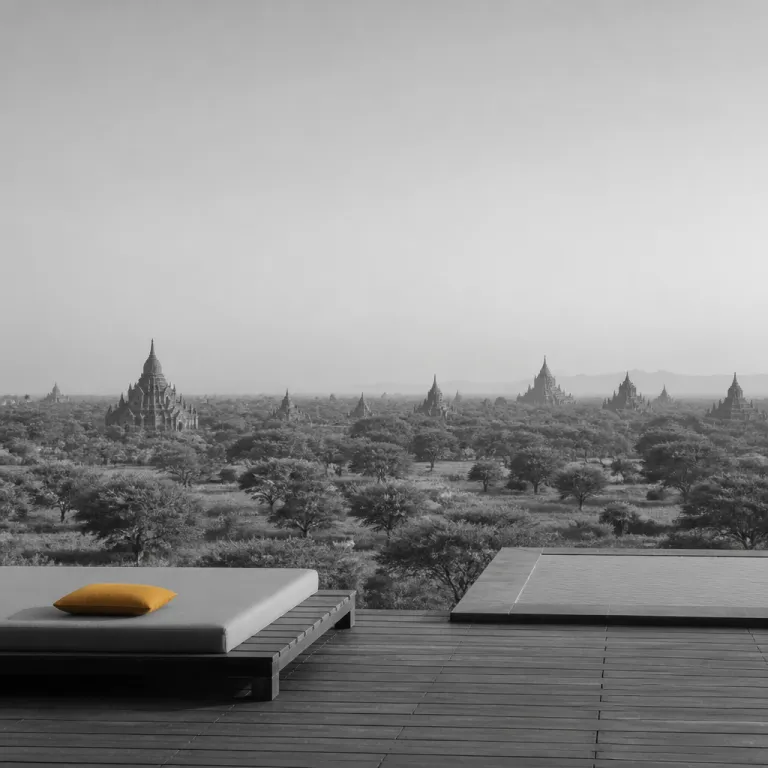
Myanmar temples and luxury stays around Bagan’s sacred plain
Myanmar temples shape one of the most atmospheric skylines in Southeast Asia. Around the ancient city of Bagan, more than two thousand temples and pagodas rise from the Irrawaddy River plain, creating a setting that rewards slow, thoughtful travel. For people planning a premium stay, the right hotel choice lets you wake to mist over a nearby shrine and end the day with a private view of glowing pagodas.
Bagan became a major royal capital between the ninth and thirteenth centuries, when kings built thousands of Buddhist monuments as acts of devotion and power. The dense concentration of temples visible today is the result of that medieval building campaign, supported by local artisans, monks, and royal patrons who used brick, stucco, and Indian influenced design. When you book a luxury property near the archaeological zone, you are effectively reserving a front row seat to this history, with curated excursions to each major temple and pagoda already woven into your stay.
Many high end hotels now integrate preservation themes into their guest experience, sometimes partnering with initiatives such as the Humans Project that highlight the people who maintain Buddhist temples and care for fragile murals. From these bases, you can visit an iconic temple in Bagan such as Ananda Temple or Dhammayangyi Temple in the soft light of early morning, then return to a shaded pool before the heat builds. Choosing a refined hotel near the Irrawaddy River also shortens your time to visit key pagodas across Myanmar, whether you are heading to Shwezigon Pagoda in Old Bagan or planning a longer journey toward Mandalay and its revered Mahamuni Pagoda.
Staying near Bagan temples: how luxury hotels frame the sacred landscape
For many travellers, the best way to experience Myanmar temples is to stay in a riverside or garden resort that frames the monuments rather than overwhelms them. Properties along the Irrawaddy River often orient suites toward clusters of temples and pagodas, so your first sight each day is a distant Buddha image or a spire catching the sunrise. This careful positioning respects the spiritual role of each temple while giving guests a serene, visually beautiful setting.
When you compare the best hotels in Myanmar for temple focused stays, pay attention to how each property manages access to the Bagan temples and to quieter corners of the archaeological zone. Some luxury hotels include private guides who know the history of Ananda Temple, the layout of Dhammayangyi Temple, and the safest stairways on Shwesandaw Pagoda for sunset views. A detailed review of what the phrase “best hotels Myanmar” really means for temple lovers can be found in this guide on looking past the star rating when choosing the best hotels in Myanmar, which helps you match service style with your preferred way of visiting Buddhist temples.
Some high end properties near Bagan offer direct access to lesser known shrines scattered across the plain, allowing you to visit smaller Buddhist temples without the crowds that gather at Shwezigon Pagoda or Shwesandaw Pagoda. Others specialise in wellness, pairing spa rituals with quiet evening walks among nearby pagodas that Myanmar travellers rarely reach on group tours. Whichever style you choose, ensure the hotel respects local customs, encourages guests to dress modestly when visiting any temple or pagoda, and provides clear guidance on when to remove shoes before stepping onto sacred terraces.
Planning the right time to visit Myanmar temples in comfort
Choosing the right time to visit Myanmar temples can transform a good trip into an exceptional one. Cooler, drier months are generally the best period for visiting Bagan, because the light is gentle, the air is clearer, and sunrise over the Irrawaddy River feels crisp rather than heavy. Luxury hotels often structure their rates and special offers around this seasonal rhythm, so booking early for peak temple season can secure both better rooms and more personalised guiding.
Within a single day, the most comfortable time to visit a temple or pagoda is usually at sunrise and late afternoon, when the brick of Bagan’s monuments holds a soft warmth instead of radiating heat. Many premium properties arrange pre dawn transfers so you can reach Shwesandaw Pagoda or a quiet viewpoint near a temple in Bagan before the first light touches the plains. For guests who prefer a slower pace, some hotels offer mid morning cultural talks on the history of Buddhist temples in Myanmar, followed by sunset cruises along the Irrawaddy River that frame the city and its pagodas from the water.
Logistics matter when you are balancing rest, heat, and respectful visiting times, especially if you plan to include Mandalay, Mount Popa, or Yangon’s Shwedagon Pagoda in the same journey. A detailed resource such as this dedicated logistics guide that saves your luxury trip from friction can help you sequence flights, river crossings, and temple visits without rushing. By aligning your hotel bookings with the best time to visit each cluster of temples across Myanmar, you give yourself space to appreciate both the spiritual atmosphere and the refined comforts waiting back at your suite.
Iconic Myanmar temples and how luxury hotels curate access
Several Myanmar temples stand out as essential for first time visitors, and luxury hotels in Bagan and Mandalay now curate access to them with considerable finesse. Ananda Temple, commissioned by King Kyansittha and completed in the early twelfth century, is often described as the most architecturally refined temple in Bagan, with four standing Buddha images facing the cardinal directions. High end properties frequently schedule private Ananda Temple visits at quieter hours, allowing guests to appreciate the symmetry, stucco details, and cool interior corridors without the usual crowds.
Dhammayangyi Temple, the largest of the Bagan temples, fascinates people who enjoy architectural puzzles and legends, and many guides linked to premium hotels weave its unfinished corridors into compelling narratives about power and karma. Shwezigon Pagoda, with its gilded stupa, provides a visual bridge between the brick heavy landscape of central Myanmar and the luminous style of Shwedagon Pagoda in Yangon, and some itineraries pair these two Buddhist landmarks as a thematic arc. In Mandalay, luxury hotels often arrange early visits to Mahamuni Pagoda, where devotees apply gold leaf to a revered Buddha image, giving guests a direct view of living faith rather than only static history.
Beyond these headline sites, thoughtful concierges can suggest lesser known temples and pagodas scattered across the plains, where the only sounds may be bicycle wheels and distant chanting. Some itineraries include a day trip from Bagan to Mount Popa, a volcanic outcrop crowned with monasteries and shrines, which adds a different topography to your sequence of Buddhist temples. By combining these curated visits with generous downtime at your hotel, you experience sacred sites across Myanmar as part of a balanced journey rather than a checklist of monuments.
From Shwedagon to Mount Popa: linking Myanmar’s sacred sites with premium stays
While Bagan remains the heart of the Myanmar temples experience, many luxury travellers choose to link it with other sacred cities for a richer narrative. Yangon’s Shwedagon Pagoda, rising about ninety nine metres above its hilltop, is widely regarded in local tradition as one of the oldest temples in Myanmar and anchors many itineraries with its intense evening atmosphere. A stay in a refined Yangon hotel allows you to visit Shwedagon Pagoda at both dawn and dusk, watching how local people circle the base, light candles, and offer flowers to the Buddha in different moods of the day.
Farther north, Mandalay serves as a gateway to Mahamuni Pagoda and to smaller Buddhist temples that still shape daily life in the city. Premium hotels here often focus on cultural immersion, arranging guided walks through neighbourhoods where monks collect alms at first light and where artisans craft statues of the Buddha for shrines across Southeast Asia. When combined with a stay near the Bagan temples, this Mandalay segment helps you understand how the great temple complexes were built and maintained by generations of craftsmen and donors.
Many itineraries then arc back toward central Myanmar, where Mount Popa rises abruptly from the plains and offers a contrasting experience to the flat temple fields of Bagan. Some high end properties in or near Bagan organise day trips to Mount Popa that balance physical effort on the stairways with spa time on your return. By linking these destinations through carefully chosen hotels, you experience temples across Myanmar as a continuous story of faith, landscape, and hospitality rather than isolated sightseeing stops.
Practical etiquette and preservation: travelling responsibly among Myanmar temples
Respectful behaviour around Myanmar temples is not only courteous, it also shapes how local communities perceive luxury travellers. When visiting any temple or pagoda, dress modestly with shoulders and knees covered, and remove shoes and socks before stepping onto sacred platforms or into inner halls. Many high end hotels now brief guests on these expectations, provide light longyi style wraps in rooms, and schedule temple visits at times that minimise both heat stress and crowding.
Preservation is another area where premium properties can guide people toward better choices among the Bagan temples and beyond. Guests are usually encouraged not to touch fragile murals or Buddha images, to avoid climbing on unapproved terraces of temples and pagodas, and to follow marked paths that protect both structures and surrounding vegetation. Some hotels support restoration projects in Bagan or partner with initiatives such as the Humans Project, which highlights the artisans and monks who quietly maintain Buddhist temples across Myanmar.
Before booking, ask how your chosen property engages with the wider community of Bagan and Mandalay, whether through training local staff, funding conservation, or supporting responsible travel education. A helpful planning resource is this in depth guide to planning a refined trip to Myanmar with hidden luxury stays, which emphasises discreet journeys that respect both people and place. By aligning your own behaviour with these principles, you help ensure that temples across Myanmar, from Ananda Temple and Dhammayangyi Temple to Shwezigon Pagoda and Mahamuni Pagoda, remain intact and meaningful for future visitors.
Key figures about Myanmar temples and Bagan’s sacred landscape
- Bagan hosts around 2,300 surviving temples and pagodas, according to WorldAtlas, representing only a portion of the religious structures originally built during the medieval peak of construction.
- Shwedagon Pagoda in Yangon rises approximately 99 metres above its base, as reported by OurBuddhismWorld.com, making it one of the most visually dominant Buddhist temples in Southeast Asia.
- The main building phase for Bagan’s temples stretched from the ninth to the thirteenth centuries, with the eleventh century marking the construction of Ananda Temple under King Kyansittha.
- Most Myanmar temples that are active places of worship remain open to tourists, and there is a dedicated entrance fee for the Bagan Archaeological Zone that supports site management and preservation.
Frequently asked questions about Myanmar temples and luxury stays
What is the oldest temple in Myanmar ?
The oldest temple in Myanmar is often identified in local tradition as Shwedagon Pagoda in Yangon, which some legends place as far back as the sixth century and which still functions as a major pilgrimage site for Buddhist devotees from across the country.
Are Myanmar temples open to tourists ?
Are Myanmar temples open to tourists? Yes, most temples are open to visitors.
Is there an entrance fee for Bagan temples ?
Is there an entrance fee for Bagan temples? Yes, a fee is required for the Bagan Archaeological Zone.
When is the best time to visit Bagan for temple stays ?
The most comfortable time to visit Bagan for temple focused stays is during the cooler, drier months, when temperatures are milder and visibility over the Irrawaddy River plain is clearer, allowing you to enjoy sunrise and sunset views from temples and pagodas without excessive heat.
How should I dress when visiting Buddhist temples in Myanmar ?
When visiting Buddhist temples in Myanmar, dress modestly with shoulders and knees covered, avoid tight or transparent clothing, and be prepared to remove shoes and socks before entering any temple or pagoda, a practice that many luxury hotels support by providing suitable wraps or longyi in guest rooms.