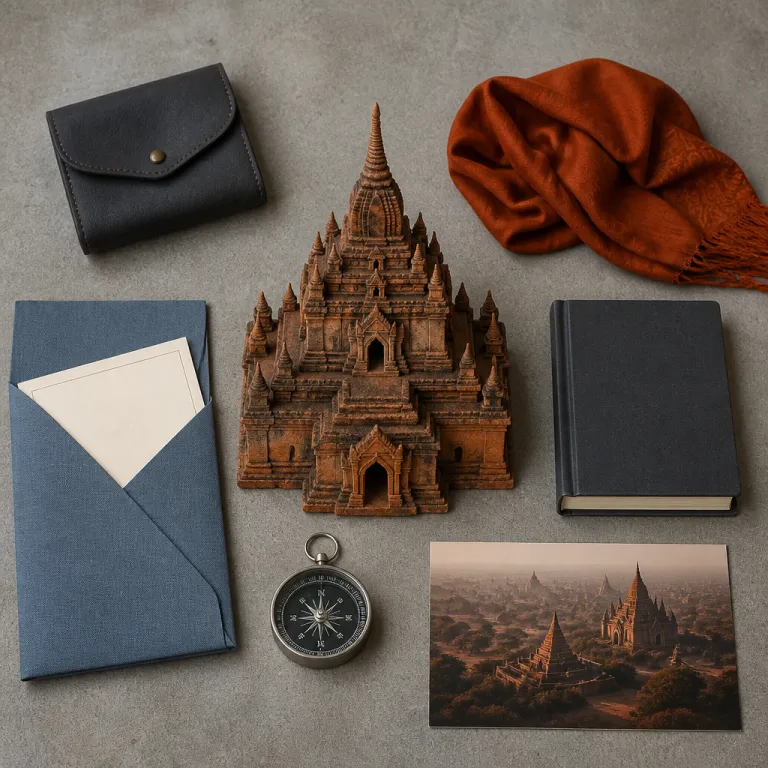
Why city bagan is the spiritual heart of luxury travel in Myanmar
Bagan sits on the eastern bank of the Irrawaddy River, forming one of the most atmospheric cultural landscapes in Myanmar. Across an area of roughly forty square kilometres inside the core protected zone, more than 2,200 standing temples and pagodas rise from the plain, creating a rare blend of sacred architecture and serene space that suits luxury travellers. This concentration of temples in Bagan offers guests an immersive heritage site experience while still allowing time for refined hotel comforts.
The city belongs to the Mandalay Region in central Burma, and it was the capital of the Pagan kingdom during the medieval period. From the 9th to the 13th century Pagan rulers transformed this region into a powerful centre of Theravada Buddhism, commissioning thousands of temples and pagodas that now define Bagan. When you book a premium stay here, you are effectively sleeping inside a living archaeological landscape shaped by centuries of devotion and royal patronage.
Bagan was inscribed as a UNESCO World Heritage site in 2019 because of its exceptional cultural monuments and its role in unifying Burmese identity. The Bagan period began when King Pyinbya fortified the city, and it reached its height under King Anawrahta, founder of the Bagan Dynasty. As official summaries of the site explain, Bagan is renowned for its ancient temples and pagodas and for the way they chart the evolution of Burmese religious art.
From Yangon to Bagan: planning a seamless luxury journey
Most international guests reach Myanmar through Yangon, then continue to Bagan by air for comfort and speed. A direct Yangon–Nyaung U flight with carriers such as Myanmar National Airlines or Air KBZ usually takes around eighty to ninety minutes, while the scenic route along the Irrawaddy River by boat takes many hours but rewards you with views of rural Burma and riverside villages. When planning a premium itinerary, many travellers choose to stay in Yangon first, then continue from Bagan to Yangon after a few days of temple exploration and spa time.
For a refined urban base before or after your stay in the Mandalay Region, consider a premium address such as the Mercure Yangon Kaba Aye on Kaba Aye Pagoda Road. This style of hotel offers polished service, contemporary rooms and easy access to key cultural sites in Yangon, including important pagodas and museums. From such a base you can arrange early flights to Nyaung U Airport, ensuring you arrive in the Pagan heartland rested, well oriented and ready to explore.
Travellers who prefer overland journeys can combine Yangon, Bagan and Mandalay in one extended loop through central Myanmar. The route from Yangon to the Mandalay Region via Bagan passes through varied landscapes, from delta plains in the south to drier countryside near the Irrawaddy River. Luxury and premium hotel booking platforms focused on Myanmar often package these sectors together, allowing you to compare the best properties in each city while keeping transfers efficient and comfortable.
Understanding the Bagan period and its temples for a richer hotel stay
Knowing the history of the Bagan period transforms a simple hotel booking into a deeper cultural journey. Between the 9th and 13th century Pagan rulers used brick masonry and stucco carvings to build thousands of temples across Bagan, turning the wider plain into a monumental expression of faith. This medieval period saw the integration of Mon, Pyu and Indian influences, which you can still read in the arches, terraces and murals of each temple and pagoda.
The Mandalay Region, which includes Bagan, became the cradle of Burmese Theravada Buddhism after the missionary monk Shin Arahan guided King Anawrahta. Under their leadership, the Pagan kingdom unified much of Myanmar, and religious propagation, cultural consolidation and political centralisation became inseparable goals. When you walk from your luxury hotel to a nearby temple or pagoda at sunrise, you are tracing the same ground where monks, artisans and rulers once shaped a new Burmese identity and ritual landscape.
Travellers often compare Bagan with Mandalay, yet each city offers a distinct rhythm and set of cultural sites. Mandalay is better for royal palace history and craft workshops, while Bagan excels at temple density and open landscapes along the Irrawaddy. For a broader view of the Mandalay Region, consult a specialised resource such as this Mandalay Myanmar city guide for luxury and premium hotel stays, then pair it with a few nights amid the temples and pagodas of Bagan.
Choosing the best luxury hotels around key temples and pagodas
Location is the first criterion when selecting the best luxury or premium hotel in Bagan. The main archaeological zone stretches between Old Bagan, New Bagan and Nyaung U, and each part of the area offers a different balance of proximity to temples, river views and local life. Properties closer to the Irrawaddy River often provide sweeping sunset panoramas, while those near major pagodas reduce transfer times for sunrise and sunset temple visits.
Many high-end hotels position themselves near signature monuments such as Shwezigon Pagoda and Ananda Temple, allowing guests to walk or cycle to these cultural sites. Shwezigon Pagoda, with its golden stupa, is one of the earliest examples of the classical Burmese style, while Ananda Temple is famed for its four standing Buddha statues and elegant corridors. Staying within a short distance of these temples and pagodas means you can visit at quieter times, then retreat quickly to the calm of your suite, pool or shaded veranda.
When comparing properties, look for services that respect both the heritage site and guest comfort. Some hotels, such as Bagan Lodge and Aureum Palace Hotel & Resort Bagan, offer guided e-bike tours that take several hours but cover lesser-known temples, while others arrange private Irrawaddy River cruises at sunset. A well curated luxury stay in Bagan balances efficient access to the main temple clusters with moments of stillness, whether in a spa, a shaded garden or a river-facing lounge.
Immersive experiences: from sunrise temples to Irrawaddy River cruises
Bagan rewards guests who plan their days around light, temperature and crowd patterns. Sunrise over the Irrawaddy River bathes the temples in soft colour, and many travellers choose a nearby terrace or gentle hill to watch the first rays touch each pagoda. After this early start, returning to a luxury hotel for a slow breakfast and a swim is often the best way to balance comfort with exploration and photography.
Midday heat in this part of the Mandalay Region can be intense, so schedule indoor visits to temples with well preserved murals or shaded corridors. Ananda Temple and several lesser-known shrines house intricate Buddha statues and paintings that reveal details of the Bagan period, from royal processions to scenes of daily Burmese life. Late afternoon is ideal for a private boat trip along the Irrawaddy, where the view of Bagan’s skyline of pagodas becomes especially striking in the golden light.
For travellers seeking quieter stays, planning a trip during shoulder months can be rewarding, and some curated guides explain why August in Myanmar can feel intentionally peaceful. A resource such as this article on the quietest month and the hotels that make solitude feel intentional helps you align your hotel choices with seasonal patterns. With thoughtful timing, you can enjoy the best of Bagan’s cultural sites while still returning each evening to refined dining, attentive service and cool, spacious rooms.
Respecting heritage: how luxury travellers can support Bagan’s cultural sites
Staying in Bagan carries a responsibility, because your hotel sits inside a fragile UNESCO heritage landscape. The archaeological zone contains more than two thousand temples and pagodas, many of which date from the peak of the Pagan era and require ongoing conservation. Choosing hotels that follow sustainable practices, limit unnecessary construction and support local artisans helps protect both the temples and pagodas and the wider Mandalay Region.
Guests can contribute by following simple etiquette when visiting each temple or pagoda. Dress modestly, remove shoes and socks before entering sacred spaces, and avoid touching murals or Buddha statues, which are vulnerable after many centuries of exposure. As one local guide in Old Bagan explains, “If you treat every shrine like it belongs to your own grandparents, you will never behave carelessly.” Respectful behaviour reinforces the efforts of Burmese conservators, monks and guides who work daily to maintain these cultural sites for future generations and for the local community.
Time management also matters, because some circuits take hours and can strain both visitors and fragile structures if rushed. Plan smaller clusters of temples per day, mixing major monuments with quieter shrines along the Irrawaddy, and allow time to rest at your hotel between excursions. This slower rhythm honours the spiritual character of Bagan while still giving you space to appreciate the best aspects of luxury hospitality in Myanmar.
Reading the stones: context for Bagan’s art, language and identity
Walking through Bagan is like moving through an open-air archive of Burmese history. Inscriptions carved into stone slabs record donations, royal decrees and religious teachings, offering scholars a kind of regional rosetta stone for the evolution of written Burmese. These texts, combined with the layout of each temple and pagoda, reveal how the Pagan kingdom organised faith, power and community across the Mandalay Region and beyond.
The Pyu and Mon cultures influenced early building styles, but the Bagan period produced an original synthesis that later shaped religious architecture across Myanmar. From the 11th century onward, the Pagan court used temple construction along the Irrawaddy River to signal both devotion to the Buddha and political authority over the south and central plains. When you stand before the great Shwezigon Pagoda or step inside Ananda Temple, you are seeing the physical language of that strategy rendered in brick, stucco and gold leaf.
Understanding this context deepens the meaning of every view from your hotel terrace or river cruise deck. The skyline of pagodas around Bagan is not just a beautiful backdrop but a record of how Burma moved from fragmented states to a more unified Burmese identity. As you plan your luxury stay, remember that each temple, each inscription and each cluster of Buddha statues forms part of a long narrative that continues with every respectful visitor who walks these paths.
Key figures and statistics about city Bagan
- Bagan covers approximately forty square kilometres on the eastern bank of the Irrawaddy River, according to figures cited by Myanmar authorities and UNESCO, which helps travellers understand how spread out the main temples and pagodas are.
- More than 2,200 temples and pagodas remain standing in the Bagan archaeological zone, out of several thousand originally built, making the area one of the densest concentrations of religious monuments in Asia.
- The historical timeline records that Bagan was fortified in 849 AD by King Pyinbya, then expanded under King Anawrahta, whose reign marked the rise of the Pagan kingdom as a unifying force in central Myanmar.
- The core building phase of the Bagan period ran from the 11th to the 13th century, when Mongol invasions contributed to the city’s decline, yet the surviving temples still define the cultural landscape of the Mandalay Region.
- Tourism and conservation initiatives have increased in recent decades, with cultural festivals and restoration projects aiming to balance visitor access with the long term protection of this UNESCO World Heritage site.
FAQ about city Bagan and luxury hotel stays
What is city Bagan best known for among travellers
Bagan is best known for its vast plain of more than two thousand temples and pagodas, many dating from the height of the Pagan kingdom. This concentration of religious monuments, combined with its setting along the Irrawaddy River, makes it one of the most important cultural sites in Myanmar. Luxury travellers value the ability to stay in refined hotels while being only minutes from major temples in the archaeological zone.
How long should I stay in Bagan to enjoy both temples and hotel facilities
A stay of at least three nights in Bagan allows you to balance temple visits with time to enjoy your hotel. Exploring the main clusters of temples and pagodas, including Shwezigon Pagoda and Ananda Temple, usually takes hours each day, especially if you add sunrise or sunset viewpoints. With several nights you can also schedule an Irrawaddy River cruise, spa time and relaxed meals without rushing.
When was Bagan founded and why is the Bagan period important
Historical records state that Bagan was fortified in 849 AD by King Pyinbya, and it later became the capital of the Pagan kingdom under King Anawrahta. The Bagan period from the 9th to the 13th century saw the unification of much of central Myanmar, the spread of Theravada Buddhism and the construction of thousands of temples across the plain. This era laid the foundations for a unified Burmese culture that still shapes the Mandalay Region today.
How do I travel between Yangon, Bagan and Mandalay in comfort
The most comfortable way to travel between Yangon, Bagan and Mandalay is by domestic flight, which keeps journey times short and predictable. Many luxury and premium hotel booking platforms in Myanmar offer packages that combine Yangon–Bagan and Bagan–Yangon sectors with curated stays in each city. Travellers who prefer slower journeys can add an Irrawaddy River cruise or private car transfers, then return each evening to high quality hotels.
Are there guidelines I should follow when visiting temples and pagodas in Bagan
Visitors to temples and pagodas in Bagan should dress modestly, covering shoulders and knees, and always remove shoes and socks before entering sacred spaces. Photography is usually allowed, but you should avoid touching murals, Buddha statues or fragile surfaces, as many structures date from the Pagan era and are sensitive to damage. Respectful behaviour supports local conservation efforts and ensures that this UNESCO World Heritage site remains intact for future guests.