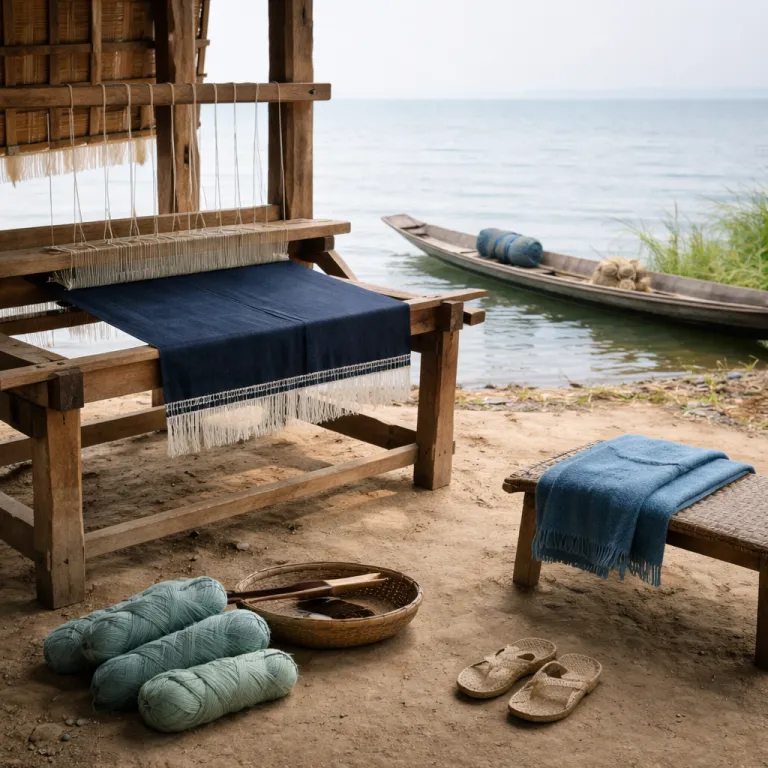
Why an Inle weaving workshop works for families
An Inle Lake weaving workshop is one of the rare cultural activities in Myanmar that genuinely holds a child’s attention. In the stilt-house loom rooms above the water, the clatter of each shuttle and the bright threads create a sensory theatre that feels closer to a game than a lesson. For parents booking luxury stays around Inle Lake, it becomes a slow, artisan-led day that balances comfort with real contact with village life and the living tradition of lotus weaving.
Local weavers in Inle act as patient instructors, guiding families through each step of the weaving process without rushing. Organisers and hotel concierges consistently confirm that “Is the workshop suitable for young children? Yes, activities are designed for all ages.” That reassurance matters when you are planning days from a high-end resort and want cultural immersion without tears, boredom or overtired little travellers, yet still hope to see authentic hand weaving rather than a rushed tourist show.
Most weaving workshops sit in traditional stilt-house structures above Inle Lake, reached by long-tail boat that already feels like an adventure for younger guests. The journey across the lake in Myanmar passes floating gardens and fishing canoes, so the experience begins well before any warp thread is set on the loom. For families staying in Nyaung Shwe or at a village inn on the water, a workshop in Inle can be planned as a half-day course that still leaves time for pool hours and quiet reading back at the hotel, following a simple, clearly paced itinerary.
Choosing the right workshop: lotus, silk and child-friendly spaces
Not every weaving workshop around Inle Lake is created with families in mind. In the well-known weaving villages of Paw Khon and neighbouring Inn Paw Khon (often written Paw Khone or Inn Paw), some houses focus on intensive lotus weaving for export, while others have calmer corners where children can safely handle cotton warp threads. When you book through a premium hotel concierge, ask explicitly whether the Inle weaving workshop offers a short hands-on course or only a demonstration of the full process from lotus thread to finished scarves and shawls.
For younger children, lotus thread and fine silk are usually best kept as materials to observe rather than touch. The fibres are delicate, the pattern work is complex, and the thread wound on shuttles can tangle quickly in small hands. Instead, look for weaving workshops that let children try thicker cotton weft thread on a small loom, while parents watch the full lotus weaving process on the larger frames nearby and learn how the warp is prepared and how weavers in Inle set each warp thread in place.
Some houses in Paw Khon and Inn Paw Khon reserve one floor for hand weaving demonstrations and another for quieter activities, which suits mixed-age families. Adults can stand close to the warp threads and study how artisans manage setting warp for intricate scarves and shawls, while a guide leads children through a simplified weave step by step. Pair the visit with a stop at a traditional tea shop in Nyaung Shwe later, using an insider-style guide to Myanmar’s tea shop culture to extend the cultural thread into the afternoon and keep the day feeling like one continuous, story-led course.
Inside the loom room: pacing a four-hour artisan-led visit
A well-planned Inle weaving workshop for families runs around four hours, including boat transfers and breaks. Think of it as a carefully paced course rather than a quick stop, with each step designed to match a child’s natural rhythm and attention span. Luxury hotels around Inle Lake can coordinate timings so you leave after breakfast and return before late-afternoon pool time or sunset on the terrace, turning the day into a relaxed, single-village itinerary instead of a rushed circuit.
The first hour usually focuses on the story of lotus thread and silk, with weavers in Inle showing how each thread is pulled, twisted and prepared. Children watch the lotus thread emerge from the plant stems, then see how warp thread and weft thread work together to build a pattern on the loom. This is where a good guide slows the process, translating technical terms like setting warp into simple language without losing respect for the craft or the generations of knowledge behind it, and some hotels even provide a short printed PDF-style handout to follow each step.
The second and third hours are ideal for a short hand weaving session on a child-sized frame, supervised by local artisans. Under guidance, a child can weave a narrow band that later becomes a small bracelet or bookmark, while adults observe more complex scarves and shawls being created on the main looms. For parents interested in broader cultural immersion, pairing this with a refined stay that emphasises Myanmar culture in luxury travel keeps the day coherent and meaningful, rather than a stand-alone activity, and leaves the final hour free for a gentle boat ride back across the lake.
Lotus, silk and cotton: what children can really try
Lotus weaving is the signature craft of Inle Lake, and many travellers arrive expecting to work only with lotus thread. In reality, the fibres are fragile and the process is slow, so most Inle weaving workshop hosts sensibly start children on cotton or simple silk blends. This keeps the activity tactile and satisfying, without risking damage to precious warp threads already set for high-value textiles destined for boutiques in Myanmar and beyond, and it lets younger visitors see the difference between everyday cloth and rare lotus fabric.
During demonstrations, artisans show how each lotus thread is drawn from the plant, twisted, then added to the warp threads on the loom. Parents can stand close to the frame and watch the pattern emerge row by row, while children sit at a side table practising the same weave structure with sturdier thread. The contrast between the refined lotus weaving on the main floor and the playful hand weaving at the edge helps younger guests understand both the patience and the joy behind the craft, and makes the technical process feel like a story told in visible steps.
Some workshops in Paw Khon and Inn Paw Khon also introduce silk in simple, child-friendly ways, such as letting them feel the difference between raw and finished fibres. A guide might pass around small bundles of thread wound on bobbins, explaining how each will become part of scarves and shawls sold in the village shop. For families combining the workshop with a wellness-focused stay, a guide to family-friendly wellness retreats in Myanmar can help you balance active cultural days with quieter spa rituals that travel well with kids and keep the overall trip pace gentle.
Practical planning: boats, lunch, shopping and staying nearby
Planning an Inle weaving workshop from a luxury or premium hotel starts with boat logistics. Most properties on Inle Lake or in Nyaung Shwe can arrange a private long-tail boat, with life jackets sized for children and flexible timings that avoid the midday heat. Aim to leave after breakfast, reach the village by late morning, and return by mid-afternoon so younger travellers stay fresh and engaged, with the weaving in Inle forming the main focus of the day rather than one more rushed stop.
Once at the village inn pier or stilt-house landing, you will usually climb a short wooden staircase into the main weaving room. Ask your guide to structure the visit into clear segments — demonstration, child activity, break, then final browsing — so attention spans are protected. A simple printed handout, even a one-page PDF from your hotel concierge outlining the process from setting warp to finished weave, can help older children follow along and remember each step later, turning the experience into a mini-course they can revisit once they are back home.
Plan lunch at a nearby stilt-house restaurant overlooking Inle Lake, where you can watch boats glide past while discussing the morning’s warp thread and weft thread experiments. In the attached shops, focus on buying scarves, shawls or small textiles that clearly state whether they use lotus thread, silk or cotton, and skip mass-produced items that do not support local artisans. Modest dress, comfortable clothing and sun protection are essential, and remember the organisers’ reassurance that “Do we need prior weaving experience? No, beginners are welcome,” so you can book with confidence even if this is your first time near a loom.
FAQ
Is an Inle weaving workshop suitable for young children?
Workshops around Inle Lake are generally designed to welcome families, with simple hand weaving activities that suit children from around six years old. Organisers confirm that activities are structured for all ages, and local weavers guide each step patiently. Very young children may engage more as observers, watching the loom and threads while older siblings try the weave themselves under close supervision, especially during the more delicate lotus weaving stages.
How long should we plan for a family weaving visit?
The average duration of a full weaving experience in the Inle region for independent adults can stretch to most of the day, including demonstrations and shopping time. For families, a four-hour version usually works better, especially when combined with boat transfers and a relaxed lunch. Luxury hotels can help you shorten or extend the course depending on your children’s energy and how many villages you hope to visit, often suggesting Paw Khon or Inn Paw Khon as easy first stops.
Can we take home what we weave during the workshop?
Participants are normally encouraged to keep the small items they create, such as narrow bands or simple scarves. These pieces are made on separate looms from the main lotus weaving and silk production, so they do not interfere with professional work. Children often leave proudly carrying a personal souvenir that connects them to the Inle Lake craft tradition and the specific workshop they visited, a reminder of the day they learned to follow each warp thread and weft thread across the frame.
Do we need any previous weaving experience?
No prior experience is required for an Inle weaving workshop, and beginners are welcomed by local artisans. The process is broken into clear steps, from seeing the lotus thread prepared to trying a basic weave on a small frame. Guides translate technical terms like setting warp and weft thread into simple explanations that families can follow and remember once they are back at the hotel, and some even provide a short printed summary so children can review the process days later.
What should we wear and bring for the day?
Comfortable, modest clothing is recommended, as you will sit, stand and move between wooden floors in village houses. Light long sleeves, trousers and closed shoes work well, along with sun protection for the boat ride. Bringing water and small snacks helps children stay focused during the quieter parts of the demonstration and the slower stages of the weaving process, especially when watching the careful, repetitive steps of lotus weaving on the main looms.