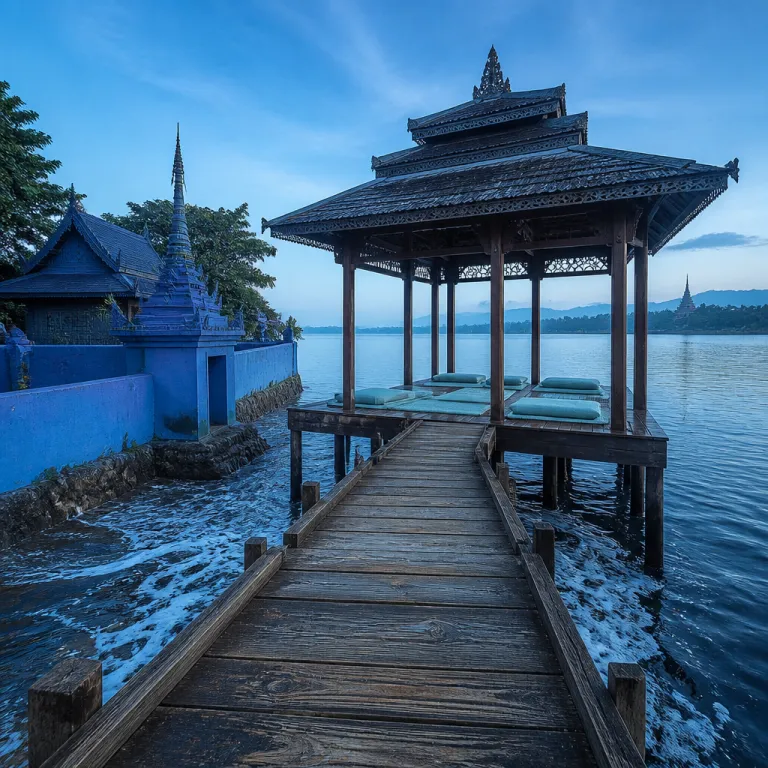
Mapping the spectrum of meditation retreats in Myanmar
Myanmar is one of the rare places where a casual temple meditation can sit on the same itinerary as a rigorous ten day vipassana meditation retreat. For a solo traveler booking a luxury stay, understanding this spectrum matters more than choosing between a river view suite and a lakefront villa, because the depth of meditation practice you select will shape every day of your journey. When you search for a meditation retreat or a Myanmar vipassana experience, you are really choosing how far you want to step into a living buddhist tradition.
At the lightest end, many high end hotels in Yangon Myanmar or Bagan arrange thirty minute guided meditation sessions in nearby pagodas, often led by an English speaking monk from a local meditation centre. These short introductions to mindfulness and basic insight meditation fit easily between a sunrise temple visit and an afternoon spa appointment, giving you a taste of buddhist meditation without strict silence or a formal course to be completed. They are ideal for guests who want to feel the atmosphere of a meditation center without committing to structured day courses or a residential retreat center stay.
Move one step deeper and you reach half day or full day retreats, sometimes hosted in a dedicated meditation center on the city edge or in a forest based centre near Inle Lake. Here, a visiting meditation master or senior sayadaw might guide alternating periods of sitting and walking meditation, introducing core teachings from the Satipatthana Sutta and the foundations of vipassana meditation. A typical day retreat might run from 8:00 a.m. to 5:00 p.m., with an opening talk, three or four formal practice blocks, a simple vegetarian lunch and time for questions before closing. These day retreats still allow you to return to your hotel each evening, where a hot stone massage or herbal steam can ease the body after long hours of stillness.
From hotel spa calm to structured ten day vipassana
Once you move beyond a single day, you enter the world of structured ten day retreats that Myanmar is famous for. International Meditation Centre in Yangon and Dhamma Mahima Vipassana Meditation Center near Mandalay both offer ten day silent courses, with schedules based on traditional vipassana practice and supported by simple accommodation that contrasts sharply with Myanmar’s luxury hotel scene. These meditation center environments are intentionally austere, which is why many travelers choose to book a premium hotel stay before and after the course to soften the transition.
At International Meditation Centre Yangon, the tradition follows the U Ba Khin lineage, with mindfulness of breathing and insight meditation woven into a disciplined timetable from early morning until late evening. Dhamma Mahima operates within the global Dhamma org network, offering standardized ten day vipassana meditation courses similar to those found in the United States or Sri Lanka, yet grounded in the cultural fabric of Myanmar’s buddhist society. A typical schedule at these centres might begin around 4:00 a.m., include eight to ten hours of alternating sitting and walking meditation, two main meals, a daily discourse and lights out by 9:30 p.m. Both centers expect participants to have read the retreat guidelines carefully, to respect silence, and to arrive with realistic expectations about the physical and mental demands of intensive practice.
For solo explorers who want wellness without full renunciation, pairing a ten day course with a spa focused hotel can be transformative. You might complete a retreat, then check into a riverside property in Mandalay or a lakeside resort near Inle, using hydrotherapy pools and gentle massages to integrate the experience over several day periods. One recent visitor described taking the overnight bus from Yangon, finishing a course at dawn and then spending two quiet days by Inle Lake simply sleeping, journaling and walking barefoot on the grass before reentering busy city life. If you are traveling with relatives or planning future trips that blend wellness and family time, it is worth reading about family friendly wellness retreats in Myanmar to understand how different properties support both meditation and relaxation.
Mahasi, forest lineages and choosing your meditation tradition
Beyond the ten day format, the real depth of a meditation retreat in Myanmar lies in choosing a lineage that resonates with you. The Mahasi tradition, centered historically around Mahasi Sayadaw and institutions like Mahasi Sasana Yeiktha in Yangon Myanmar, emphasizes close noting of mental and physical phenomena during every moment of the day. In these meditation centre settings, practitioners often stay for several weeks, reporting regularly to a meditation master or sayadaw who adjusts their practice based on detailed interviews.
Chanmyay Myaing Meditation Centre and Panditarama Forest Meditation Center both follow Mahasi based methods, with Panditarama known for its sixty day silent retreats that attract serious meditators from Europe, the United States and across Asia. Here, the Satipatthana Sutta is not an abstract text but a lived manual, guiding every step of walking meditation and every breath of sitting mindfulness, while the daily routine is designed so that each course can be completed with minimal distraction. Typical donations for longer stays are usually suggested rather than fixed, and places often need to be reserved months in advance, especially for peak cool season retreats from November to February. These centers are not spa retreats, yet many luxury travelers still weave them into longer itineraries, using high comfort hotels in Yangon or Bago as staging points before entering or leaving the forest.
On a different branch of the buddhist tree, Pa Auk Forest Monastery in Mon State and Thai forest inspired communities linked to Ajahn Chah and other ajahn teachers focus on deep concentration and insight in a more secluded retreat center environment. These places often expect longer stays than a standard ten day course, and they suit guests who already have experience with buddhist meditation or who have practiced in Thai forest monasteries or meditation societies abroad. As one long term visitor put it, “The silence here is not empty; it is full of instructions if you are willing to listen.” If you are curious about how traditional beauty rituals intersect with contemplative life, read our guide to thanaka rituals and Burmese spa traditions before you choose where to stay.
Designing a luxury itinerary around silence and stillness
For many readers of mymyanmarstay.com, the question is not whether to meditate but how to integrate a meditation retreat or Myanmar vipassana course into a broader luxury journey. One elegant approach is to start with a few day courses or temple based introductions in Yangon Myanmar, using a five star hotel as your base while you adjust to the climate, the food and the rhythm of local buddhist life. Once you feel ready, you can move on to a ten day vipassana meditation course at a meditation center, then reward yourself with a spa heavy stay in Bagan or Ngapali.
Bagan in particular lends itself to this kind of layered itinerary, because many high end properties maintain close relationships with nearby monasteries and can arrange short meditation retreats or private teachings with a resident sayadaw. A concierge might book a dawn session of mindfulness and insight meditation in a quiet shrine, followed by a curated artisan excursion such as this lacquerware village day trip near Bagan that keeps you grounded in local craft rather than rushing between tourist sites. In the evening, you return to a room scented with thanaka and lemongrass, where a therapist works on the same muscles that protested during long hours on the meditation cushion.
Timing also matters, especially around Buddhist Lent, or Vassa, when monasteries enter retreat mode and the atmosphere in many a meditation centre becomes more intense. During these months, day retreats and residential courses can feel particularly powerful, but availability may be limited and silence protocols more strictly enforced. Luxury travelers should plan their hotel bookings and retreat center registrations well in advance, coordinating check in and check out dates so that each course can be completed without frantic transfers or late night arrivals.
Preparing body and mind for a Myanmar vipassana stay
Stepping from a marble floored lobby into a simple meditation center dormitory can be a shock, which is why preparation is as important as choosing the right retreat. Before you commit to a ten day course, try shorter meditation sessions in your hotel room, experiment with sitting postures and practice a few hours of digital silence each day. Many travelers underestimate how demanding vipassana meditation can be on knees, back and mind, especially when the schedule starts before dawn and continues until late evening.
Pack loose, modest clothing that covers shoulders and knees, along with a shawl or light sweater for cool meditation halls, and remember that most centers provide basic cushions but not luxury bedding. Bring a simple journal to track your insight meditation experiences, but leave valuables, elaborate skincare routines and tight itineraries in your hotel luggage, because the whole point of a meditation retreat in Myanmar is to strip life back to essentials. As one retreat organizer explains, guests often arrive asking, “What is Vipassana meditation?”, “Are retreats suitable for beginners?” and “What should I bring to a retreat?”, and the answer is usually to come with curiosity, patience and as few expectations as possible.
Diet is another area where expectations should be adjusted, since many buddhist meditation centers serve vegetarian meals twice a day, with only light refreshments in the evening, in line with monastic tradition. If you are used to multi course hotel breakfasts and late dinners, consider easing into this rhythm by choosing lighter options in your hotel restaurant for a few day periods before the retreat. When you return to your preferred spa property after the course is completed, you will likely find that a simple bowl of mohinga and a quiet corner by the pool feel more luxurious than any elaborate tasting menu.
Frequently asked questions about meditation retreats in Myanmar
How intense is a ten day vipassana course in Myanmar ?
A ten day vipassana meditation course in Myanmar usually involves around ten hours of formal practice each day, mostly in silence. Participants follow strict schedules, observe ethical precepts and limit contact with others, which can feel challenging even for experienced meditators. The intensity is balanced by clear instructions, regular interviews with teachers and the supportive environment of a dedicated meditation center.
Can beginners join meditation retreats at Mahasi based centres ?
Many Mahasi based centres in Yangon Myanmar and beyond accept beginners, provided they are willing to follow the rules and commit fully to the practice. Instructions in mindfulness and insight meditation are given step by step, and teachers monitor progress through daily interviews. It is wise for first timers to start with shorter retreats or day courses before attempting a sixty day program.
How should I combine a luxury hotel stay with a meditation retreat ?
The most comfortable approach is to book a premium hotel for a night or two before and after your meditation retreat or Myanmar vipassana course. Use the pre retreat nights to adjust to the time zone, climate and food, while keeping your schedule light. After the course is completed, choose a spa focused property where you can rest, reflect and slowly reintroduce digital devices and social activities.
Are Myanmar meditation centers similar to those in the United States or Sri Lanka ?
Some Myanmar meditation centers, especially those linked to Dhamma org or international meditation societies, follow formats similar to retreats in the United States or Sri Lanka. The core teachings of buddhist meditation and vipassana practice remain consistent, but the cultural context, daily rituals and level of immersion in local monastic life can feel very different. Travelers often find that practicing in the Theravada heartland adds a layer of authenticity and inspiration to their retreat.
What etiquette should I follow when visiting a meditation center or monastery ?
Visitors should dress modestly, remove shoes before entering halls, keep voices low and avoid physical contact with monks or nuns. During formal retreats, participants are expected to maintain silence, refrain from using phones or cameras and follow the schedule without leaving the grounds unnecessarily. When in doubt, ask the centre staff or a senior practitioner for guidance, as respect for local customs is considered part of the practice itself.