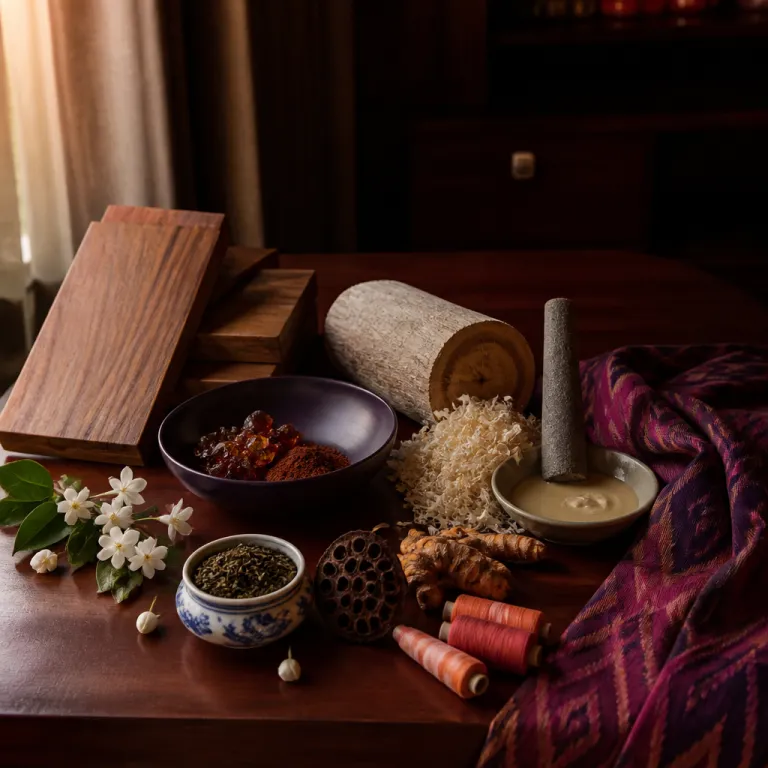
Myanmar Burma culture as the soul of a luxury stay
Myanmar is a country where refined hospitality and deep tradition meet. In every premium suite or pool villa, you feel how Myanmar’s cultural heritage shapes the rhythm of the day and the elegance of the night. For travelers choosing luxury hotels, understanding local customs and beliefs is the key to choosing the right address.
The majority Bamar people share the country with 135 officially recognized ethnic groups, and this diversity quietly informs design, service and cuisine in high-end properties. When a concierge explains why Theravada Buddhist monks walk barefoot at dawn, you sense how Burmese culture is not a show but a living framework for daily life. In many luxury hotels, staff from different ethnic communities bring original perspectives that turn a simple stay into a layered cultural immersion.
From Yangon to Bagan and Inle Lake, religious sites and royal history shape where premium hotels rise and how they operate. Many properties frame views of Buddhist temples or gilded pagodas, so that Myanmar’s spiritual landscape becomes part of your window, not just your excursion list. This close relationship with sacred places means guests must respect local customs, dress modestly for religious sites and learn a few words of the Burmese language before they arrive.
Staying near sacred sites: from Shwedagon Pagoda to temples in Bagan
In Yangon, several luxury hotels cluster within a short drive of Shwedagon Pagoda, the most revered of all Buddhist temples in the country. From a rooftop bar, you may watch the stupa glow with gold leaf at sunset, while the sound of chanting monks drifts across the city. This is where Myanmar’s religious culture feels both grand and intimate, especially when staff arrange a private, respectful visit timed to the quieter hours of the day.
Farther north, premium resorts near the temples in Bagan offer sunrise terraces facing thousands of pagodas scattered across the plain. Here, Myanmar’s history is written in brick and stone, from early Pyu settlements to later Bamar kingdom dynasties that shaped the region’s religious sites. Choosing a hotel that partners with local guides and monasteries allows you to visit active Buddhist temples, not only archaeological sites, and to understand how people in Myanmar still pray, donate and meditate there.
Some high-end properties now collaborate with monasteries for curated cultural immersions, such as silent meditation mornings or tea with senior monks. One Yangon-based guest relations manager notes that “guests remember the quiet hour in a monastery courtyard more than any spa treatment.” If you are drawn to deeper reflection, consider a stay that includes a guided visit arranged through a specialist in monastery stays in Bagan. These experiences reveal how Burmese traditions blend spiritual discipline, gentle humour and generous hospitality, especially when local women prepare traditional snacks for visiting guests.
From colonial heritage to contemporary luxury: British echoes and modern arts
Yangon’s grand hotels often occupy British colonial-era buildings, where high ceilings and teak staircases tell stories of a different kingdom and a different time. When you book a premium room in one of these restored landmarks, you sleep inside a chapter of Burma’s history that still shapes the country’s legal, linguistic and architectural landscape. The contrast between British facades and Buddhist shrines nearby captures the layered nature of the culture guests encounter on every walk.
Inside, curated art collections highlight both traditional Burmese crafts and contemporary Southeast Asian works, from lacquerware to bold canvases inspired by Myanmar photojournalism. Many luxury properties commission original pieces from artists belonging to various ethnic groups, so the lobby becomes a quiet gallery of traditional motifs and modern experimentation. This focus on arts is not decorative only; it supports local livelihoods and keeps techniques such as gold leaf beating, wood carving and tapestry alive.
For a more casual immersion into everyday Burmese life, concierges increasingly recommend tea shops rather than only fine dining restaurants. An insider-style guide to Myanmar’s tea shop culture helps guests understand why these humble rooms matter as much as any palace. Sitting among people in a busy tea shop, you hear the Burmese language in rapid, musical exchanges and feel how urban culture thrives in simple, shared rituals.
Designing rooms around Myanmar traditional life and ethnic groups
Thoughtful luxury hotels in Myanmar do more than place a lacquer tray on a table. They design suites and villas around traditional ways of life, from the long woven textiles on the bed to the low seating that echoes village homes. When a room is called after a specific ethnic group, such as Shan or Karen, it should reflect authentic patterns and stories, not generic motifs.
Some lakeside resorts commission handwoven fabrics from ethnic groups living nearby, then explain the symbolism in discreet in-room guides. Guests learn how colours, patterns and knots relate to the history of a kingdom, the rhythm of the agricultural year or the role of women in community rituals. This approach turns décor into education, allowing people who travel for comfort to also engage with the deeper layers of Myanmar’s cultural mosaic.
Bathroom amenities and spa menus often highlight traditional Burmese ingredients such as thanaka, lemongrass and local jasmine. When these products are sourced from nearby villages, the hotel becomes a bridge between global travelers and communities who maintain ancestral skills. Over time, such partnerships can support the revival of crafts and ensure that arts rooted in rural traditions remain economically viable.
Culinary immersions: from mohinga breakfasts to refined temple side dinners
Food is one of the most accessible doors into Burmese culture for luxury travelers. Many high-end hotels now serve mohinga, a rice noodle and fish soup, at breakfast alongside international options, allowing guests to taste a national dish without leaving the property. As one cultural guide notes, “Mohinga, a rice noodle and fish soup, is a national dish.”
Menus often weave together influences from different ethnic groups, reflecting how Myanmar’s culinary culture has absorbed flavours from India, China and Southeast Asia over centuries. A single dinner might include Shan-style noodles, Mon-inspired curries and desserts from Rakhine, each explained by staff trained to share the story behind the plate. When chefs highlight ingredients sourced from local women farmers or fishermen, guests see how every dish connects to real people in Myanmar and to specific regions such as river deltas or highland terraces.
Some luxury hotels arrange private dinners near pagodas or within view of Buddhist temples, always in consultation with religious authorities to respect sacred boundaries. Candlelit tables set beneath ancient trees allow you to feel the spiritual dimension of the landscape while enjoying refined service. These curated experiences show how local beliefs and rituals can be honoured in a premium context without turning religious sites into mere backdrops.
Wellness, rituals and family friendly cultural stays
Wellness programs in Myanmar’s luxury hotels increasingly draw on Buddhist concepts of balance and compassion. Spa rituals may include silent foot washing before treatments, echoing the respect shown to monks during alms-giving ceremonies. When therapists explain these gestures, guests understand how local values shape even the most indulgent moments.
Families traveling with children can choose properties that blend cultural education with relaxation, such as those highlighted in guides to family friendly wellness retreats in Myanmar. These retreats often offer kid-friendly introductions to the Burmese language, simple meditation sessions and craft workshops using gold leaf or natural dyes. Such activities help young travelers connect with people in Myanmar as individuals, not abstractions, while parents enjoy high-quality facilities.
Yoga decks facing pagodas at dawn, herbal steam rooms scented with traditional plants and quiet reading lounges stocked with issues of Myanmar Times all contribute to a holistic sense of place. Guests can move from a massage to a guided visit of nearby religious sites in a single day, carrying the same calm awareness into both spaces. This seamless flow between wellness and worship reflects the way many residents integrate body, mind and spirit.
Practical etiquette and responsible choices for culturally rich luxury stays
Respectful behaviour is essential when your luxury hotel stands near Buddhist temples or active monasteries. Guests should dress modestly when visiting religious sites, covering shoulders and knees, and remove shoes before entering any shrine or pagoda. Learning a few basic Burmese greetings shows appreciation for local customs and often leads to warmer interactions with staff and guides.
When choosing between properties, look for clear commitments to hiring from local ethnic groups and partnering with community-based cultural organizations. Hotels that work closely with Bamar, Shan and Karen communities, for example, tend to offer more nuanced explanations of Myanmar’s regional cultures and their variations. Ask whether your stay supports training programs for young people in Myanmar, especially women, in hospitality, arts or language skills.
Responsible photography matters as much as responsible spending, especially in sacred spaces and traditional villages. Always ask before taking a photo of individuals, particularly monks or elderly women, and avoid intrusive lenses in moments of prayer. By combining cultural sensitivity with thoughtful hotel choices, travelers help ensure that Myanmar’s treasured sites, from Shwedagon Pagoda to remote pagodas in Bagan, remain living places of faith rather than staged attractions.
Key figures about Myanmar culture and religion
- Theravada Buddhism is the predominant religion in Myanmar, shaping daily life, festivals and the design of many luxury hotels near religious sites. According to the 2014 Myanmar Population and Housing Census, around 88 percent of residents identify as Buddhist, a figure widely cited by the Ministry of Immigration and Population.
- Myanmar officially recognizes 135 ethnic groups, a diversity that informs regional cuisines, textile traditions and the staffing of high-end properties across the country. This classification is used in official census and administrative documents and is frequently referenced by the Ministry of Hotels and Tourism.
- The density of pagodas, monasteries and temples visible from many premium hotel terraces and riverfront suites reflects this strong Buddhist majority and the long-standing role of monastic life in education, charity and community leadership.
Frequently asked questions about culturally immersive luxury stays in Myanmar
What is the main religion in Myanmar and how does it affect hotel stays ?
Theravada Buddhism is the predominant religion in Myanmar, and it strongly influences hotel locations, design and daily rhythms. Many luxury properties are built near pagodas or monasteries, and guests often see monks collecting alms at dawn. This setting encourages respectful dress, quiet behaviour at certain hours and opportunities to join temple visits arranged by the concierge.
How many ethnic groups are there in Myanmar and will I encounter this diversity in hotels ?
Myanmar recognizes 135 ethnic groups, including Bamar, Shan and Karen communities, and this diversity appears in hotel staff, menus and décor. In well managed luxury properties, you may find rooms themed around specific ethnic textiles, or cooking classes featuring regional dishes. Engaging with staff and guides from different backgrounds offers a richer understanding of the country’s cultural diversity during your stay.
What is the traditional attire in Myanmar and is it worn in luxury hotels ?
The longyi, a wraparound skirt, is commonly worn by both men and women in Myanmar, including many hotel staff members. In premium properties, you may see reception teams wearing elegant versions of this traditional garment alongside modern uniforms. Guests are not required to wear a longyi, but some hotels provide them for temple visits or special cultural evenings.
What traditional Burmese dish should I try first in a high end hotel restaurant ?
Many luxury hotels serve mohinga, a rice noodle and fish soup, which is widely regarded as a national dish. Starting with mohinga at breakfast or brunch offers a gentle introduction to Burmese flavours and textures. From there, you can explore regional specialties recommended by chefs who often come from different ethnic groups within the country.
How can I behave respectfully when visiting religious sites from my hotel ?
When visiting religious sites such as Shwedagon Pagoda or temples in Bagan, dress modestly, remove shoes and socks before entering, and keep voices low. Avoid pointing your feet at Buddha images, and always walk clockwise around pagodas as local people do. If unsure, ask hotel staff for guidance on etiquette; many properties provide short cultural briefings before arranging temple tours.