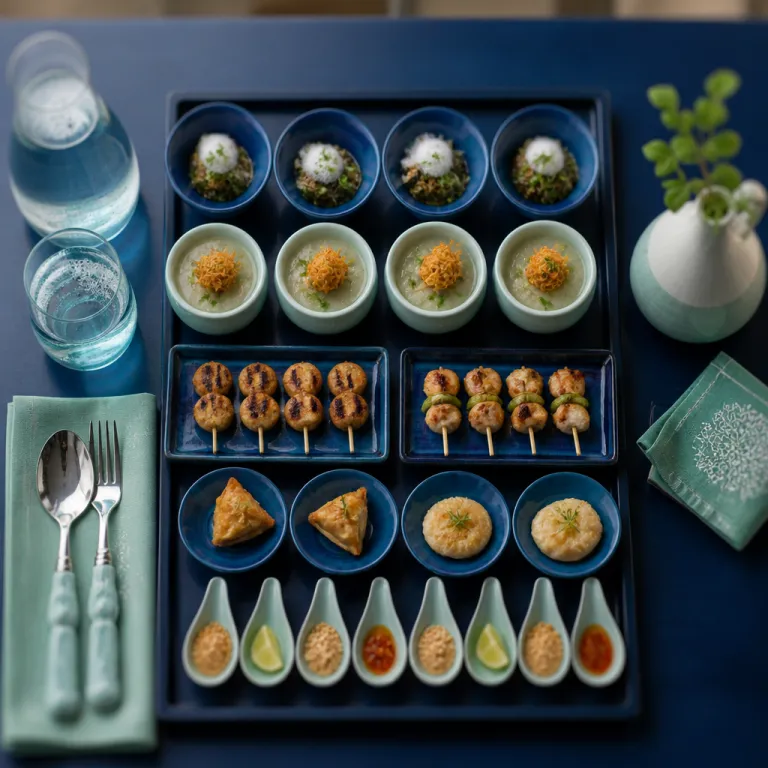
Why a Myanmar street food luxury hotel guide matters for families
Myanmar’s largest city, Yangon, seduces with incense, traffic and frying garlic. For many families staying in luxury hotels, the gap between polished lobbies and plastic stools on the pavement feels wide, so a thoughtful Myanmar street food luxury hotel guide becomes less a trend and more a safety net. Parents want the best of both worlds, tasting real street food while trusting hygiene, timing and logistics.
Across Yangon Myanmar, leading properties now act as curators between guests and local vendors. Hotel teams collaborate with street cooks, bring recipes into sanitized kitchens and send trained staff back out to the city to check standards, which turns a chaotic food scene into a structured, family friendly experience. This is where a modern luxury hotel can earn genuine authority, not only with marble and a grand lobby but with a clear, honest guide to what to eat, where to go and how to keep children comfortable.
Industry data shows why this shift matters for cautious travelers. A recent tourism survey reports a high percentage of visitors preferring hotel dining for safety, while hospitality reports track a sharp increase in hotel organized food tours across Myanmar, and both trends are especially strong among families with young children. Hotels that respond with credible street food guidance, transparent price information and flexible facilities such as early seating or kids’ menus quickly become the best luxury choices for parents planning a day of travel around meals rather than monuments.
Yangon’s luxury hotels as street food gatekeepers
Yangon is the natural starting point for any Myanmar street food luxury hotel guide. The city concentrates many of the country’s best luxury hotels, and its dense downtown Yangon grid hides some of the most characterful tea shops and noodle stalls in Southeast Asia. Yet for a jet lagged family stepping out of a grand hotel, the first bowl of mohinga on a busy corner can feel like a leap of faith.
Properties such as Wyndham Grand Yangon, Melia Yangon and Pan Pacific Yangon have begun to formalize that leap. Each hotel in Yangon now tends to offer curated food walks led by a trained local guide, who explains dishes like samosa thoke or tea leaf salad while quietly steering guests toward vendors with reliable hygiene and stable price expectations. These walks usually last two to three hours, stay within a few kilometres of the hotel and build in pauses for children, whether at a shaded pagoda courtyard or by the breezy edge of Kandawgyi Lake.
Along the riverfront, Strand Yangon plays a different role in this ecosystem. The historic Strand hotel Yangon positions its bar snacks and afternoon bites as an edited tasting of the city’s street food, from mont lin ma yar style rice cakes to refined fritters, which suits travelers who prefer to stay within the hotel’s walls. For families ready to venture further, concierge teams now keep township level notes on trusted stalls, often cross referencing specialist tea shop guides such as those explored in this analysis of why Yangon tea shop guides need a different lens, and then tailoring routes to a child’s age, appetite and bedtime.
From Inya Lake to Kandawgyi: where pools meet pavement snacks
Families often choose Yangon hotels around Inya Lake or Kandawgyi Lake for space, views and quieter streets. These areas host some of the best luxury properties in the city, with generous rooms, landscaped gardens and a swimming pool that becomes the children’s anchor after a hot day of travel. The question is how to connect that calm with the noisy, fragrant world of street food without losing the sense of safety that drew guests to these hotels in the first place.
On Inya Lake, Wyndham Grand Yangon and Melia Yangon both use their lakefront setting as a soft landing. Parents can let children swim in the pool, then join early evening tastings where hotel chefs present mohinga, grilled skewers or mont lin ma yar in small portions, explaining which stalls in Yangon Myanmar inspired each recipe and how the hotel’s facilities adapt them for stricter hygiene. These tastings often become informal Myanmar street food luxury hotel guide sessions, with chefs marking favourite vendors on a map and advising on realistic walking distances for families.
Near Kandawgyi Lake, Pan Pacific Yangon and other hotels Yangon properties lean into their proximity to Shwedagon Pagoda and Sule Pagoda. A typical family friendly itinerary might pair a late afternoon visit to a pagoda with an early street food walk, then a return to the hotel pool before bedtime, which keeps children from overheating or becoming overwhelmed. For travelers extending their journey beyond Yangon, many concierges now connect culinary interests with regional experiences, pointing food curious guests toward resources on Shan dishes and mountain herbs such as this deep dive into Shan cuisine beyond the obvious, and then arranging stays where lake fish and village snacks are part of the daily rhythm.
How hotels translate street food into safe, family friendly luxury
Behind the scenes, Myanmar’s luxury hotels now treat street food as a serious culinary programme rather than a casual theme night. Many properties collaborate directly with local street food vendors, inviting them into hotel kitchens to teach recipes and techniques while hotel chefs adapt them to modern luxury expectations. This process respects the original cooks as suppliers of knowledge and flavour, not just anonymous stalls on a tour.
Health and safety consultants then help hotels design systems that satisfy cautious travelers. Sanitized kitchens, strict temperature control and regular vendor visits create a framework where a Myanmar street food luxury hotel guide can promise both authenticity and hygiene, which matters when you are feeding children as well as adults. As one internal FAQ now states for guests who hesitate, “Is hotel-offered street food authentic? Yes, hotels collaborate with local vendors for authenticity. Are these hotel street food options safe? Yes, hotels ensure strict hygiene standards. Do hotels offer vegetarian street food options? Yes, many hotels provide vegetarian choices.”
For families, the most successful programmes are those that feel flexible rather than doctrinaire. Some hotels offer half day cooking classes where children pound herbs for salads or shape rice balls inspired by mont lin ma yar, while parents learn how to judge a stall’s cleanliness for future independent exploration, and these classes often end with a shared meal by the pool or in a shaded garden. Others organize evening food walks that start in the hotel bar with a briefing, move through a handful of vetted stalls and then return to the calm of the lobby, which lets guests taste the city’s energy without committing to a full night on the pavement.
Balancing pagodas, meditation and mohinga: building a thoughtful itinerary
Street food rarely exists in isolation on a Myanmar itinerary. Families tend to weave meals around visits to Shwedagon Pagoda, Sule Pagoda or quieter neighbourhood shrines, and the best luxury hotels understand that a Myanmar street food luxury hotel guide must sit alongside cultural and spiritual planning. A morning at a pagoda followed by a light mohinga tasting and an afternoon by the pool can be far more sustainable for children than a packed schedule of monuments and markets.
Some properties now extend this holistic approach beyond Yangon into the wider country. Lake resorts and coastal retreats partner with local cooks to offer gentle introductions to regional snacks, then pair them with slow activities such as boat rides or village walks, which keeps the sensory load manageable for younger travelers. Guests interested in a deeper contemplative layer often combine these culinary experiences with structured spiritual stays, using resources such as this guide to meditation retreats in Myanmar to balance rich meals with quiet days of reflection.
Within Yangon, historic addresses like the Governor’s Residence and the grand hotel traditions of Strand Yangon continue to refine their role as calm bases for urban exploration. These luxury hotels offer spacious rooms, discreet service and facilities that allow families to reset between forays into downtown Yangon’s street food lanes, which is essential when traveling with children who tire quickly. The most thoughtful concierges now maintain living documents of trusted stalls, realistic walking times and approximate price ranges, turning what was once a vague suggestion to “try the street food” into a precise, reassuring plan for cautious yet curious palates.
FAQ
Is hotel curated street food in Myanmar really authentic?
Hotel curated street food in Myanmar is generally authentic because many luxury properties work directly with local vendors and culinary experts. Recipes are often taught by the original cooks, then adapted only where hygiene or ingredient consistency requires it. The result is a faithful representation of key dishes such as mohinga, tea leaf salad and samosa thoke, presented in a controlled environment.
How safe is it for families to join hotel organized food tours in Yangon?
Hotel organized food tours in Yangon are designed with safety in mind, especially for families with children. Routes focus on vendors with good hygiene practices, filtered water for drinks and manageable walking distances between stops. Guides are trained to adjust pacing, suggest milder dishes for younger palates and arrange quick returns to the hotel if a child becomes tired.
Can vegetarian travelers enjoy Myanmar street food through luxury hotels?
Vegetarian travelers can eat very well on hotel mediated street food programmes in Myanmar. Many luxury hotels highlight meat free versions of classics such as mohinga, noodle salads and fritters, and they brief partner vendors on cross contamination concerns. Concierges can also map vegetarian friendly stalls near the hotel, giving guests confidence to explore independently.
What role do pools and other facilities play in a street food focused stay?
Pools and family oriented facilities are crucial when building a street food focused itinerary with children. A swimming pool offers a cool, familiar space to decompress after intense sensory experiences in markets or at busy intersections. Play areas, flexible meal times and in room dining options also help parents balance adventurous eating with predictable routines.
Do I need a guide to enjoy street food near my luxury hotel in Myanmar?
A guide is not strictly necessary, but many cautious travelers find one helpful, especially on the first day. A local guide can explain dishes, negotiate prices and point out subtle hygiene cues that visitors might miss, which builds confidence for later solo exploration. After one or two guided walks, most guests feel comfortable returning to favourite stalls on their own.