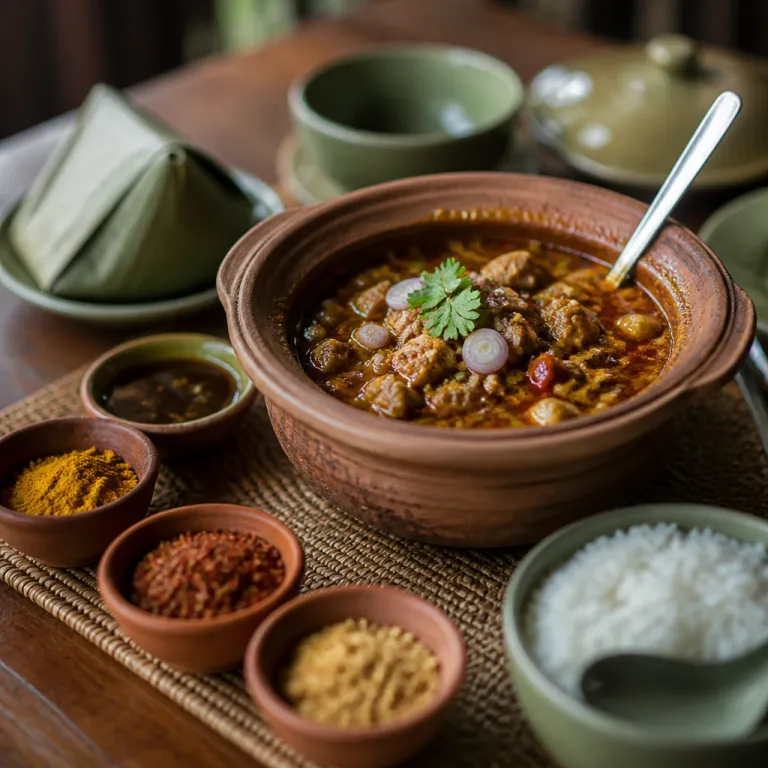
The logic of Burmese curry in Myanmar’s luxury dining rooms
Burmese curry sits at the center of burmese cuisine, and understanding it will transform every hotel meal in Myanmar. In luxury properties from Yangon to Bagan, chefs quietly adapt traditional food systems so international guests can enjoy rich curries without losing the soul of burmese food. This burmese curry traditional food guide gives you the structure behind the dishes, so your family orders with confidence rather than guesswork.
At its core, burmese curry is defined by the si byan technique, where the curry slowly cooks until an aromatic oil layer rises and seals the surface. As Burmese chefs explain in culinary training sessions, this is not excess fat but a sign that the curry burmese base has fully cooked, the spices have opened, and the dish can be safely held at room temperature during long family meals. In premium hotel kitchens, the same method is used with lighter oils and careful skimming, so curries retain authenticity while fitting a modern food menu for health conscious travelers.
Unlike Thai curry, which leans on coconut milk and fresh herbs, or Indian gravies built on heavy cream, burmese curry relies on turmeric, paprika, chili powder, and garam masala for depth. One verified explanation used in chef briefings states : “Burmese curry uses dried spices and is often milder than Thai curry.” This matters when you choose between chicken curry, beef curry, or shrimp curry in a hotel restaurant, because the spice heat in these dishes burmese style usually feels rounded rather than aggressive, making them suitable for children who already enjoy gently spiced food.
The oil layer, turmeric base and how to read a curry pot
When a server in Yangon lifts the lid from a pot of burmese curry, you may first notice a glossy layer of oil shimmering on top. That sheen is the visible result of the si byan method, a slow cooking process where oil separates from the curry base, indicating proper cooking and signaling that the dish will keep its flavour for hours. In family friendly luxury hotels, chefs often reduce the quantity of oil while still allowing a thin layer to form, so you experience real burmese food technique without feeling overwhelmed.
The base of most curries in Myanmar food culture starts with turmeric, onions, garlic, and ginger slowly fried until sweet. This turmeric foundation distinguishes burmese cuisine from neighboring cuisines, giving chicken curry, fish curry, and beef curry their earthy color and gentle bitterness that pairs beautifully with steamed rice or fragrant coconut rice. When you read a hotel food menu, look for descriptions mentioning turmeric and slow fried aromatics, because these usually indicate a more traditional food approach rather than a generic pan Asian gravy.
Breakfast buffets often misrepresent this system, serving mohinga or samosa thoke beside watered down noodle soup labeled as curry. For a clearer explanation of how morning dishes, mohinga, and samosa soup should taste in Myanmar, consult this detailed guide to Burmese breakfast decoded before you travel. Once you understand how real noodle soups and light curries behave, you will be able to tell whether your hotel’s buffet respects burmese curry traditions or simply borrows the name.
Regional curries and where luxury hotels get them right
Across Myanmar, burmese curry changes character as landscapes shift from delta to highland. In Rakhine, seafood curries lean on fish, shrimp curry, and fish sauce with assertive chili heat, while Shan regions favor lighter, herbal dishes that sit closer to noodle soup than heavy gravies. Mandalay kitchens often present richer, slightly sweeter curries that pair well with deep fried snacks and generous plates of rice for large families.
High end hotels in Yangon and Mandalay now curate regional tasting menus that showcase these differences in a controlled, family friendly way. You might see a Rakhine style fish curry beside a Shan inspired chicken curry and a Mandalay beef curry, each portioned small so children can taste without committing to a full plate. When a property works with Burmese chefs and home cooks who grew up with these dishes burmese style, the resulting food Myanmar travelers experience feels both polished and rooted in real communities.
Some luxury hotels go further by partnering with local markets for ingredients and offering classes that explain how burmese tofu, tea leaf salads, and curry pastes are prepared. One standout example is profiled in this feature on Wa Ale’s cooking class and Burmese herbs, where guests learn why certain curries must be fried longer and how fish sauce is balanced with aromatics. Experiences like these turn a simple curry tasting into a structured burmese curry traditional food guide for the whole family, especially teenagers curious about cooking.
From tea shops to hotel dining rooms: etiquette, sides and street food
In everyday burmese food culture, curry is rarely eaten alone, and etiquette matters as much as flavour. A typical meal in Myanmar will place several curries at the center of the table, surrounded by rice, a light soup, fresh vegetables, and small plates of salad or thoke. Families share everything, taking small amounts of each curry burmese style and always keeping rice as the anchor of the plate.
Luxury hotels that understand this system often recreate it with tasting sets rather than single main courses. You might order a family tray featuring chicken curry, beef curry, and a milder burmese chicken stew, flanked by a clear vegetable soup, a tomato salad, and a small tea leaf thoke that introduces fermented leaves without overwhelming younger palates. When you see such sets on a food menu, they usually signal that the property respects how burmese cuisine is actually eaten, not just how it photographs.
Outside the hotel, Yangon’s street food scene offers another layer of this burmese curry traditional food guide. Tea shops and street stalls serve curries alongside fried snacks, noodles, and samosa thoke, creating an informal buffet where you point to the dishes burmese style that appeal most. For families, the best approach is to let adults sample street food curries first, then order extra rice or noodle soup for children once spice levels feel clear and manageable.
Family friendly ordering: what to choose for children and cautious palates
For families staying in premium hotels, the challenge is not finding burmese curry but choosing versions that suit different comfort levels with spice. Start with gentler options such as tomato based chicken curry, mild beef curry, or a coconut enriched fish curry, then add side dishes like burmese tofu or simple fried noodles to round out the meal. Many hotel restaurants in Myanmar will happily adjust chili levels when asked clearly and early in the ordering process.
Children who enjoy grilled chicken at home often adapt quickly to burmese chicken curries, especially when served with plenty of rice and a mild soup. Ask for extra vegetables, a simple cucumber salad, or a lightly seasoned tea leaf thoke so they can explore textures without too much heat. When a menu lists several curries, request a mixed platter of small portions, because tasting three or four curries in miniature form usually feels less intimidating than committing to a single large plate.
Parents who want a deeper cultural context can pair dinner with quieter experiences such as spa rituals that explain tea culture and local ingredients. One useful reference is this guide to thanaka rituals and Burmese spa traditions, which shows how the same attention to natural materials shapes both wellness and food Myanmar wide. Approached this way, a burmese curry traditional food guide becomes more than a list of dishes, turning each hotel meal into a calm, structured introduction to everyday life in Myanmar for the entire family.
FAQ
What is the si byan technique in Burmese curry cooking ?
The si byan technique is a slow cooking method where curry simmers until the oil separates from the base and rises to the surface. One expert explanation states : “A cooking method where oil separates from the curry base, indicating proper cooking.” In Myanmar, this visible oil layer signals that the curry is fully cooked, safe to hold at room temperature for communal meals, and deeply infused with spice flavour.
How does Burmese curry differ from Thai or Indian curries ?
Burmese curry relies mainly on dried spices such as turmeric, paprika, chili powder, and garam masala rather than heavy coconut cream or dairy. As documented in culinary studies, “Burmese curry uses dried spices and is often milder than Thai curry.” Compared with many Indian gravies, burmese curries usually feel less creamy, more turmeric forward, and are served with multiple side dishes instead of as a single main.
Which Burmese curries are best for children or spice sensitive travelers ?
Milder options include tomato based chicken curry, gentle fish curry with coconut, and some Mandalay style beef curry preparations that emphasize sweetness over heat. When ordering in hotels, ask staff to reduce fresh chili and serve extra rice, soup, and vegetables to soften flavours. Avoid very oily or Rakhine style seafood curries at first, then introduce them in small tasting portions once everyone feels comfortable.
How should I eat Burmese curry in a traditional setting ?
In a typical Myanmar meal, several curries are placed in the center of the table alongside rice, a light soup, salads, and fresh vegetables. You take small portions of each curry burmese style, always returning to rice as the base and sharing everything with the group. It is polite to taste a little of each dish, keep your personal plate tidy, and avoid letting curry sauces flood the shared serving bowls.
Where can luxury travelers try authentic Burmese curry safely ?
Well regarded hotels in Yangon, Mandalay, Bagan, and Inle Lake usually offer carefully prepared burmese curries using filtered water and high quality ingredients. Many properties collaborate with Burmese chefs and local markets, ensuring that dishes burmese style remain authentic while meeting international hygiene standards. For deeper experiences, look for hotel curated food tours or vetted street food walks that introduce tea shops, curry houses, and mohinga stalls in a structured, family friendly way.